 Jobboy

Introduction
In the dynamic remote gig economy of 2026, freelancers encounter both expanded opportunities and heightened competition across digital platforms and online workspaces. Developing effective pricing strategies is essential for charging rates that reflect your true value while fostering long-term client relationships and sustainable income growth. This comprehensive guide delves into value-based pricing models compared to traditional hourly billing, methods for researching competitive benchmarks, proven negotiation techniques, and strategies for adjusting your approach as your expertise expands. Readers will also discover practical examples from digital nomads who have successfully increased earnings, along with actionable steps to implement changes without losing clients.
Understanding Value-Based Pricing vs Hourly Rates
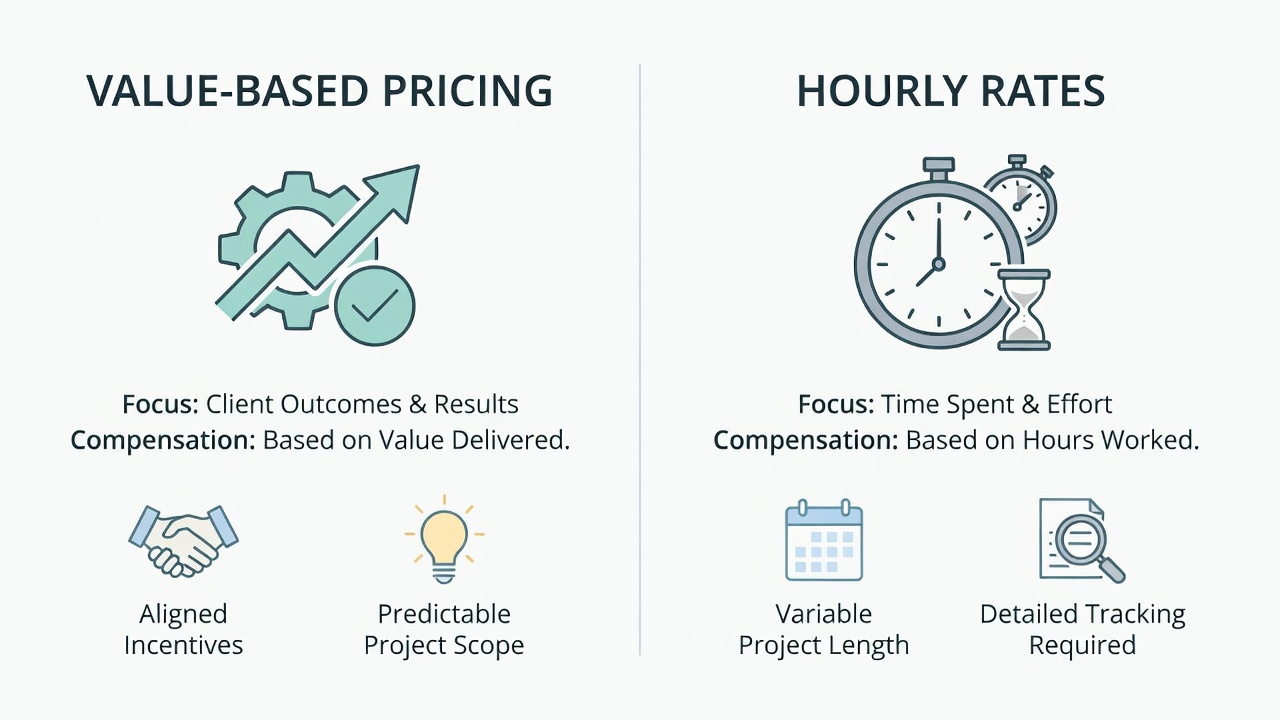
Hourly billing connects compensation directly to time invested, which often caps earnings once efficiency improves and tasks are completed faster. In contrast, value-based pricing emphasizes the tangible outcomes, strategic impact, and business results provided to clients, frequently resulting in higher overall compensation for equivalent deliverables. Freelancers who adopt value-based approaches report greater satisfaction because fees align with client success rather than clock hours. Hybrid models can serve as a bridge, beginning with hourly structures for initial projects before transitioning to value-based retainers once trust is established. Key considerations include client industry, project complexity, and your unique positioning in the market. This shift encourages focus on high-impact work and reduces the incentive to prolong tasks unnecessarily.
Researching Competitive Rates in 2026
Accurate pricing research forms the foundation of any successful strategy. Begin by examining current job postings and proposal data on leading freelance marketplaces while cross-referencing insights from official labor statistics. Resources such as the Bureau of Labor Statistics provide valuable context on broader occupational trends and compensation patterns. Additionally, the U.S. Small Business Administration offers guidance tailored to independent contractors navigating market conditions. Evaluate variables including niche specialization, years of experience, geographic flexibility, and target client sectors. Maintain records of past proposals and acceptance rates to identify patterns and refine future quotes. Digital nomads frequently combine multiple data sources, including peer networks and industry forums, to establish rates that remain competitive yet profitable.
Creating Tiered Service Packages
Tiered service packages empower clients to select options matching their needs while optimizing revenue potential. The entry-level tier typically covers core deliverables with standard turnaround times. Mid-tier packages incorporate additional strategy sessions, extra revisions, and performance reporting. Premium tiers feature priority support, ongoing consultations, and customized add-ons such as training materials or extended warranties on results. This framework promotes natural upselling and clarifies boundaries to prevent scope creep. Clients value the transparency, and structured tiers position you as a professional provider rather than a commodity service. When designing packages, map each level to specific client pain points and desired outcomes for maximum appeal.
Mastering Client Negotiation Tactics
Effective negotiation relies on preparation, confidence, and a focus on mutual benefit. Start conversations by clearly articulating your value proposition supported by relevant case studies and measurable results. When clients question rates, redirect attention to outcomes instead of immediately offering discounts. Proven techniques include beginning with a higher anchor price to allow room for structured concessions, proposing time-limited incentives for extended contracts, and using collaborative phrasing such as exploring options that satisfy both parties. Role-playing common objections in advance builds resilience during live discussions. Always document agreements in writing to maintain clarity and professionalism throughout the engagement.
Evolving Your Pricing Strategy Over Time
As skills and reputation advance, pricing must evolve to reflect new capabilities and market positioning. Schedule formal reviews every six months to evaluate client feedback, project outcomes, and competitive landscape changes. Introduce increases gradually, providing advance notice and demonstrating added value through enhanced deliverables or faster response times. Many freelancers incorporate intellectual property elements such as reusable templates or recorded workshops into their offerings, creating additional revenue streams beyond core services. This proactive evolution supports income growth while preserving strong client relationships built on demonstrated expertise.
Common Pitfalls of Undercharging and How to Avoid Them
Undercharging often stems from anchoring rates to early-career experiences or overlooking non-billable activities like marketing, invoicing, and skill development. Track all time expenditures comprehensively to calculate true effective earnings and identify areas for adjustment. Another frequent issue is failing to account for rising operational costs in the remote economy. Building accountability through peer mastermind groups or mentorship networks provides external perspectives and prevents isolation-driven pricing mistakes. Regular audits of project profitability help maintain awareness and support data-driven decisions.
Step-by-Step Guide to Implementing New Pricing
- Conduct a full audit of recent projects, calculating effective rates after subtracting all associated costs and time.
- Define three distinct service tiers with precise deliverables, timelines, and exclusions for each level.
- Research at least five comparable providers in your specific niche using public profiles and proposal trends.
- Craft a concise value proposition statement that connects your services directly to client business goals.
- Pilot revised pricing with one or two new prospects while maintaining existing agreements until renewal points.
- Analyze results after 30 days, gathering feedback and adjusting package details or communication methods as needed.
- Communicate changes to current clients through personalized outreach, emphasizing benefits and offering flexible transition paths.
Success Stories from Digital Nomads
Real-world examples illustrate the power of strategic pricing shifts. A graphic designer initially offered standalone logo creation at modest rates but later introduced comprehensive brand strategy packages that bundled visual identity with messaging guidelines and usage recommendations. This adjustment led to longer-term contracts and higher overall earnings through repeat engagements. Another digital nomad specializing in content creation added performance-based bonuses tied to client engagement metrics, aligning incentives and creating shared success. A third freelancer in web development began selling modular template libraries alongside custom builds, generating passive income while freeing capacity for premium bespoke projects. These cases highlight how specialization and creative packaging can transform freelance businesses.
Frequently Asked Questions
How should I announce a rate increase to existing clients?
Send individualized emails approximately 30 days before the effective date, explaining the rationale with reference to enhanced value or market conditions, and provide clear options for adjusting scope if needed.
What response can I expect if a client resists higher rates?
Listen carefully to their concerns, restate the benefits delivered, and explore alternatives such as phased rollouts or reduced deliverables to maintain the relationship while protecting your margins.
Is it better to raise rates for all clients simultaneously?
Stagger increases according to contract renewal cycles to manage administrative workload and allow time for individual discussions, reducing the risk of widespread pushback.
How can I justify value-based pricing to clients accustomed to hourly billing?
Share specific outcome metrics from past work, such as revenue generated or time saved for the client, and offer a short trial period under the new model to demonstrate results.
Conclusion
Thoughtful pricing strategies enable freelancers to maximize earnings and build resilient careers within the 2026 remote work landscape. By prioritizing value alignment, conducting diligent research, structuring clear packages, and refining approaches through experience, you establish a foundation for consistent growth and rewarding professional partnerships that endure market fluctuations.


No comments yet. Be the first!