 Jobboy

Introduction
In 2026, remote freelancers navigate a dynamic gig economy filled with client demands, shifting deadlines, and the constant pull of digital distractions. Peak performance requires more than talent—it demands deliberate deep work practices that protect concentration and maximize output. Deep work, defined as cognitively demanding tasks performed without interruption, enables freelancers to produce exceptional results that command higher rates and repeat business. Research in cognitive psychology underscores how sustained focus improves problem-solving and creativity while reducing errors that erode client trust. This guide delivers practical, evidence-based routines tailored for remote workers, covering time-blocking frameworks, optimized environments, tool evaluations, and adaptable strategies for various niches and time zones.
Freelancers who master these habits often report greater satisfaction and financial stability. By integrating structured approaches, you can transform scattered days into productive powerhouses while maintaining well-being amid unpredictable workloads.
Understanding Deep Work for Freelancers
Deep work contrasts sharply with shallow activities like quick emails or social media checks that fragment attention. For remote freelancers, it means dedicating uninterrupted periods to core deliverables such as designing campaigns, writing technical reports, or developing code. The gig economy rewards those who deliver high-quality work efficiently, making deep work a competitive advantage. Studies highlight that individuals practicing focused sessions complete complex projects faster and with superior outcomes compared to multitasking peers. Adapting this concept involves recognizing personal energy patterns and client expectations to create routines that endure beyond initial motivation.
Time-Blocking Methods for Maximum Output
Time-blocking transforms vague intentions into scheduled commitments. Begin by identifying your chronotype—morning larks benefit from early creative blocks, while night owls thrive later. A proven method is the 90-minute ultradian rhythm block, allowing intense focus followed by 20-minute recovery periods. Integrate the Pomodoro technique within blocks: 25 minutes of work plus 5-minute breaks, scaling to 50-minute sessions for deeper immersion. Freelancers handling multiple clients can layer blocks using the Eisenhower matrix to prioritize urgent versus important tasks.
Example routine: 7-8:30 AM for high-value client projects, 9-10 AM for research, and afternoon slots for revisions or meetings. Buffer 15 minutes between blocks for transitions. Digital tools like calendar apps enforce these boundaries by setting availability statuses visible to clients. Over weeks, this builds momentum and reveals optimal patterns unique to your workflow.
Creating a Distraction-Free Environment
Environment design directly influences focus sustainability. Select a dedicated workspace with ergonomic furniture, adjustable lighting to reduce eye strain, and minimal visual clutter. Invest in noise-cancelling headphones and sound-absorbing elements like rugs or plants. Digitally, deploy browser extensions that block distracting sites during scheduled blocks and maintain separate user profiles for work and leisure. Natural light exposure supports circadian rhythms, while temperature control around 20-22°C promotes alertness. Regular audits—weekly reviews of interruptions—help refine setups. Many freelancers add standing desks or walking pads for movement without breaking concentration during long sessions.
Tool Comparison: Focus@Will vs. Brain.fm
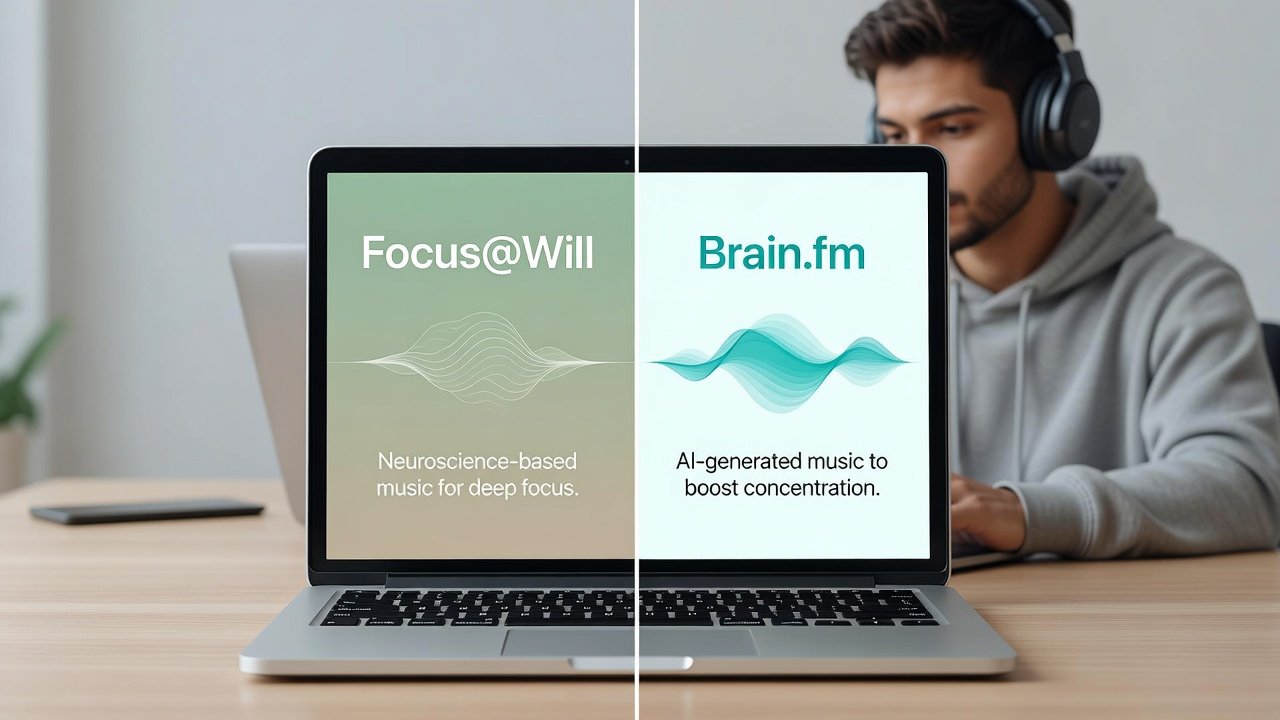
Specialized audio tools enhance deep work by providing non-distracting soundscapes. Focus@Will curates instrumental tracks based on task intensity, with modes for creative or analytical work that evolve over time. Brain.fm leverages AI to generate music targeting specific brain states like focus or relaxation, offering shorter sessions ideal for quick starts. Both minimize external noise and boost immersion; user reports indicate improved session endurance. Compare by testing free trials—Focus@Will suits varied music preferences, while Brain.fm excels in rapid customization. Integrate either at the start of blocks to signal the brain for focused mode.
Real-World Freelancer Case Studies
A software developer in Eastern Europe structured four-hour morning deep work blocks around European client calls, resulting in faster feature deliveries and expanded referrals within three months. A copywriter based in Asia adapted time-blocking to overlap with U.S. time zones, using evenings for deep writing and mornings for lighter tasks, achieving consistent high-volume output without burnout. A virtual assistant specializing in social media management applied distraction-free setups and tracked metrics, reducing project turnaround by prioritizing deep strategy sessions over reactive client queries. These examples illustrate how personalization drives results across niches.
Step-by-Step Implementation Plan
- Conduct a one-week audit logging all activities and noting focus disruptions.
- Identify three priority deep work categories aligned with income-generating tasks.
- Schedule initial 60-minute blocks daily, gradually extending to 90 minutes based on stamina.
- Equip your environment with necessary tools and test audio apps during sessions.
- Review weekly metrics, adjusting for niche-specific demands like creative versus analytical work.
- Incorporate recovery rituals such as short walks to sustain long-term adherence.
Productivity Metrics to Track
Effective tracking reveals progress and areas for refinement. Log deep work hours daily, task completion rates per block, and qualitative notes on energy levels. Monitor output quality through client feedback scores and revision requests. Use simple spreadsheets or apps to chart weekly averages, aiming for incremental gains like adding one focused hour monthly. Track time zone overlaps to optimize scheduling and measure consistency across varying workloads. These data points guide evidence-based tweaks rather than guesswork.
Common Pitfalls to Avoid
- Over-scheduling without buffers for unexpected client urgencies leads to frustration and incomplete blocks.
- Neglecting physical health through poor posture or skipped breaks causes fatigue that undermines focus.
- Failing to communicate boundaries to clients results in constant interruptions eroding routines.
- Applying identical schedules across different freelance niches ignores unique cognitive demands.
- Ignoring gradual adaptation leads to burnout instead of sustainable habits.
FAQs on Adapting Routines
How do I adapt for different freelance niches?
Creative fields like design thrive with extended morning blocks emphasizing inspiration gathering. Technical niches such as programming benefit from segmented blocks alternating deep coding with testing phases. Service-oriented roles require flexible overlaps for client interactions while protecting core focus time.
What about varying time zones?
Prioritize your peak personal energy windows first, then use asynchronous communication tools to handle global clients. Shift lighter tasks to off-peak hours and protect deep blocks from meeting creep.
Can these routines scale with growing client loads?
Yes, by batching similar tasks into themed blocks and delegating routine elements, freelancers maintain depth as volume increases.
How to handle creative slumps within routines?
Incorporate warm-up rituals like brief reading or outlining to ease into blocks, and allow flexible recovery days without derailing overall consistency.
Conclusion
Adopting deep work routines positions remote freelancers for enduring success amid 2026's evolving demands. Through consistent time-blocking, intentional environments, strategic tools, and ongoing measurement, you build habits that elevate performance while supporting balance. Begin with small experiments, refine based on personal data, and draw inspiration from established psychological principles. Explore additional insights at American Psychological Association and National Center for Biotechnology Information for deeper scientific backing on focus and productivity.

No comments yet. Be the first!