 Jobboy

Introduction: Why Income Diversification Matters for Remote Freelancers in 2026
Experienced remote freelancers face increasing economic uncertainty in 2026, making single-client dependency a risky strategy. Diversifying income through productized services, affiliate partnerships, membership communities, and data-driven analytics creates sustainable buffers. This approach moves beyond basic side hustles to build resilience against market shifts, client loss, or platform changes. With global economic volatility continuing, freelancers who rely on one or two major clients often experience sudden income drops when contracts end or budgets tighten. In contrast, those with layered revenue streams report greater stability and flexibility to pursue meaningful projects.
By leveraging emerging gig platforms and AI tools, freelancers can create passive and semi-passive streams. This article explores proven methods with step-by-step guidance, tool comparisons, case studies, and practical checklists. Readers will gain actionable insights for transitioning away from over-reliance on single sources while capitalizing on 2026-specific opportunities such as AI-enhanced content creation and new decentralized work platforms.
Transitioning from Single-Client Dependency
Start by auditing your current revenue. Identify the percentage from your top client and set a goal to reduce it below 30% within six months. Step 1: Document all skills and assets you possess, including niche expertise and existing client relationships. Step 2: Package offerings into repeatable products that can be delivered consistently without custom scoping each time. Step 3: Test one new stream per quarter while maintaining core freelance work to avoid burnout. Step 4: Build an email list of past clients and prospects to promote new offerings directly.
Real-world transition example: A content strategist reduced client reliance by launching a templated service package, then added affiliate links to tools she already recommended in her deliverables. Another example involves a web developer who created standardized website maintenance retainers, allowing him to serve ten clients with similar needs rather than five bespoke projects. Monitor progress monthly using simple revenue spreadsheets to ensure steady diversification.
Productized Services as a Core Revenue Stream
Productized services transform custom work into fixed-scope offerings with clear deliverables and pricing. This reduces scope creep and enables scalability. Examples include SEO audit packages or social media content calendars sold via your website or platforms like Gumroad. Implementation steps include defining exact deliverables in advance, creating reusable templates and checklists, setting tiered options for different client budgets, and automating delivery with tools like Zapier or Make. This model supports recurring revenue when clients subscribe to monthly updates or performance reports.
Practical detail: Begin by selecting your most repeatable service, then outline every step from intake to delivery. Test the package with three existing clients for feedback before public launch. Over time, these offerings can generate 40% or more of total income with less active hours than traditional project work.
Affiliate Partnerships for Passive Income
Affiliate marketing allows freelancers to earn commissions by recommending tools and resources. Focus on high-trust niches such as productivity software or remote work equipment. Integrate recommendations naturally in client work, newsletters, or blog content. Compare platforms: Amazon Associates for broad product access versus specialized networks like ShareASale for niche tools. Track performance with UTM parameters and analytics dashboards. Always follow disclosure rules outlined by the Federal Trade Commission to maintain audience trust.
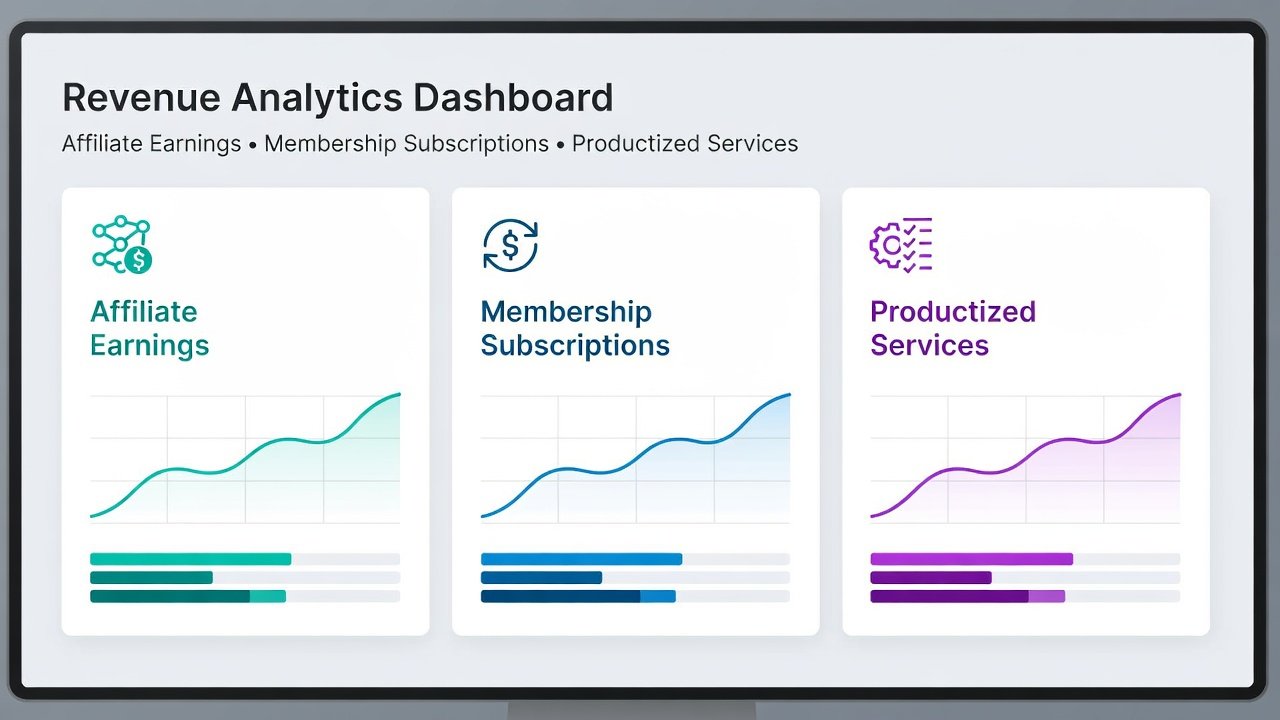
Advanced tactic for 2026: Use AI writing assistants to generate review content at scale, then optimize posts for search to drive ongoing organic traffic and commissions. Successful freelancers often combine affiliate income with their primary services, creating natural upsells without aggressive selling.
Building Membership Communities
Membership sites foster recurring revenue through exclusive content, coaching calls, or peer networking. Platforms like Circle or Patreon enable quick setup. Start with a small cohort of past clients to validate demand before scaling. Success factor: Deliver consistent value through weekly resources and community moderation. This creates loyalty and reduces churn during economic downturns. Expand by hosting live Q&A sessions, sharing templates, and encouraging member-to-member collaborations that add unique value not available elsewhere.
Example structure: Charge a modest monthly fee for access to a private forum, monthly masterclasses, and a resource library. Over six months, grow from 20 founding members to 150 by leveraging testimonials and word-of-mouth within remote work communities.
Data-Driven Analytics for Optimization
Track income sources using tools like Google Analytics combined with spreadsheets or dedicated platforms. Monitor metrics such as revenue per stream, client acquisition cost, and churn rates. AI-assisted tools can forecast trends and identify underperforming areas. In 2026, new gig platforms incorporate built-in analytics that help freelancers spot micro-opportunities in data labeling or AI training tasks. Review dashboards weekly and adjust marketing efforts accordingly to maximize returns across all streams.
Platform Tool Comparisons for Passive Income
- Product sales platforms: Gumroad versus Etsy for digital products – Gumroad excels in simplicity for info products while Etsy offers broader discovery for creative assets.
- Affiliate networks: Impact versus PartnerStack for SaaS affiliates, offering better tracking for digital nomads who manage multiple campaigns across borders.
- Community tools: Mighty Networks for branded experiences versus Discord for casual engagement, with the former providing stronger monetization features out of the box.
- Analytics suites: Google Analytics 4 paired with free tiers of tools like Notion or Airtable for custom tracking without high costs.
Case Studies from Digital Nomads
Case 1: A graphic designer in Portugal built a productized branding kit sold to 200 clients annually, supplemented by affiliate earnings from design software. She further diversified by launching a small membership for fellow creatives focused on client acquisition strategies, reaching profitability within four months. Case 2: A copywriter created a membership for email marketing templates, reaching 500 members while maintaining select freelance projects. Case 3: A data analyst in Thailand combined productized dashboard audits with affiliate promotions for analytics tools and a newsletter sponsorship program, achieving balanced income across five distinct sources.
Risk Mitigation During Economic Shifts
Practical checklist: Maintain 6 months of expenses in reserves. Diversify across at least four streams. Review contracts for payment terms and exit clauses. Use multiple payment processors to avoid single-point failures. Monitor global economic indicators monthly through reputable sources. Update diversification plan quarterly to adapt to new gig economy platforms or regulatory changes. Additional steps include securing cyber insurance for digital assets and creating backup client pipelines through consistent networking on professional platforms.
AI-Assisted Monetization Opportunities in 2026
Emerging AI tools enable faster creation of digital products such as customized templates or automated reporting services. Freelancers can use these to launch new offerings in days rather than weeks. Examples include AI-generated course outlines sold as templates or chatbots trained on niche expertise offered via membership tiers. Always verify platform policies on AI content before distribution to ensure compliance and audience trust.
FAQs on Tax Implications
How do I report income from multiple streams? Track all sources separately and consult IRS guidelines at IRS.gov for self-employment tax rules. Quarterly estimated payments are often required.
Are affiliate earnings considered business income? Yes, report them on Schedule C. Deduct related expenses like website hosting and marketing tools.
What about international clients and memberships? Use Form 1099 for U.S. payers and research foreign tax credits. Always maintain detailed records for at least seven years.
Do membership fees trigger additional tax obligations? They count as ordinary income; track them consistently and consider sales tax rules if selling to customers in certain states.
Conclusion
Remote freelancers who implement these diversification tactics in 2026 position themselves for long-term stability. Begin with one new stream this month, track results rigorously, and iterate based on data. Economic resilience comes from proactive planning rather than reactive measures. By combining productized services, affiliates, memberships, and analytics, professionals can weather shifts while enjoying greater freedom in their careers.

No comments yet. Be the first!