 Jobboy

Introduction to Asynchronous Communication in Remote Work
In 2026, remote teams and freelancers operating in the gig economy rely heavily on asynchronous communication to maintain productivity across global time zones without leading to burnout. Unlike synchronous methods that demand real-time responses, async approaches allow team members to contribute thoughtfully at their own pace. This shift supports better work-life balance while fostering deeper collaboration. Search trends indicate growing interest in optimizing these workflows, particularly as AI tools become integrated into daily operations. By mastering async practices, distributed teams can reduce meeting fatigue and enhance output quality across continents.
The gig economy continues to expand, with more professionals choosing flexible arrangements that span multiple time zones. Asynchronous communication provides the foundation for this flexibility, enabling contributors to deliver high-quality work without the pressure of constant availability. Teams that embrace these methods report stronger retention and innovation because individuals have space for focused, uninterrupted effort.
Why Asynchronous Workflows Matter for 2026 Remote Teams
The rise of distributed work has made async essential. Teams spread across continents benefit from reduced interruptions, enabling focused deep work. AI-assisted updates, such as automated summaries of threads, further streamline processes by highlighting key decisions without requiring everyone to be online simultaneously. This approach also supports mental health by minimizing after-hours notifications and allowing true disconnection during personal time.
Research from leading productivity organizations shows that excessive real-time meetings can fragment attention and lower overall output. Transitioning to async norms frees up hours each week for strategic thinking. Freelancers particularly benefit because they often juggle multiple clients; structured async updates prevent context switching and keep all stakeholders informed without endless video calls.
Choosing the Right Platforms for Async Collaboration
Selecting tools that support threaded discussions, file sharing, and integrations is crucial. Popular options include platforms emphasizing documentation over chat overload. Consider tools with strong search capabilities and AI features for summarizing long conversations. Evaluate based on team size, integration needs, and ease of use. For example, combining a project management tool with a knowledge base creates a seamless async environment.
Key features to prioritize include searchable archives, customizable notification settings, and built-in AI summarization. Teams should test integrations with calendars, file storage, and task trackers before committing. Many successful distributed groups use a core trio of messaging, documentation, and project tools that talk to each other automatically.
Explore Slack for team messaging and similar established solutions to build your stack. Additional options such as comprehensive documentation platforms allow teams to maintain living handbooks that everyone can reference at any hour.
Setting Clear Documentation Standards
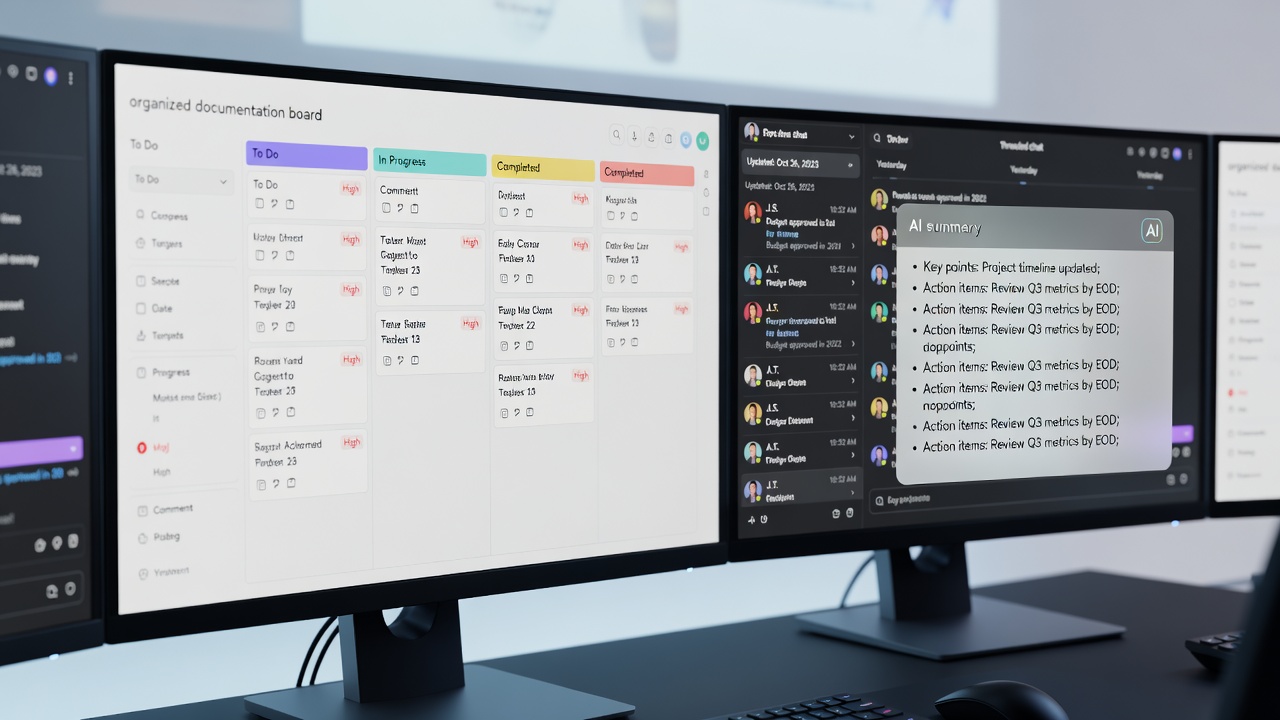
Effective async communication hinges on robust documentation. Establish templates for updates, decisions, and project briefs. Use consistent formats so anyone can catch up quickly regardless of when they log in. Core principles include writing for future readers, including context and deadlines, and tagging relevant teammates for visibility.
- Define core channels or spaces for specific topics such as client updates, internal processes, and technical decisions
- Require status updates in a shared format at consistent intervals, such as every Monday and Thursday
- Archive decisions with timestamps, rationale, and next steps clearly listed
- Create onboarding documents that explain communication norms for new collaborators
This reduces miscommunication pitfalls common in remote setups. Teams that invest time upfront in templates see faster onboarding and fewer repeated questions over time.
Time Zone Etiquette and Practical Examples
Respecting global schedules prevents exclusion. Always suggest async alternatives to live calls and provide flexible deadlines. For instance, post questions in the evening for Asian colleagues to respond by morning in their zone. Digital nomads often rotate meeting times quarterly so no single region bears the burden of inconvenient hours repeatedly.
Another effective practice is to include a “response window” note with every request, such as “Please reply within 48 hours.” This sets expectations clearly. Shared world clocks and automated time-zone converters embedded in tools further reduce friction when scheduling any necessary live touchpoints.
Step-by-Step Implementation Guide
Implementing async practices requires a deliberate rollout. Follow these expanded steps for sustainable adoption:
- Audit current communication habits by reviewing the past month’s meetings and message volume to identify sync-heavy areas.
- Select and configure platforms with clear naming conventions and permission settings that support both visibility and focus time.
- Roll out chosen platforms with team training sessions recorded for async viewing and accompanied by written quick-start guides.
- Create documentation guidelines and pilot them on one low-stakes project before expanding company-wide.
- Incorporate AI tools for summarizing updates and tracking progress, training the team on prompt engineering for best results.
- Establish feedback loops such as monthly async retrospectives to surface friction points early.
- Measure results after 30 days using both quantitative metrics and qualitative team surveys, then refine based on insights.
Measuring Productivity Gains
Track metrics like project completion rates, average response times within agreed windows, and team satisfaction surveys. Async mastery often leads to higher output as interruptions decrease. Case studies from freelancers show improved deliverables when shifting from constant pings to structured async updates. Additional indicators include reduced email volume and higher quality of written updates over several months.
Real-World Case Studies from Digital Nomads
One nomad team in software development reduced meetings by 60 percent after adopting async norms, leading to faster feature releases and higher code quality. They implemented a strict “no meeting Wednesdays” policy supported by detailed written briefs. Another freelance marketing group used AI summaries to keep everyone aligned across eight time zones, boosting client satisfaction scores noticeably within one quarter. A third example involves a distributed design collective that maintains a public decision log; new members can trace every major choice back to its origin, accelerating contribution speed dramatically.
FAQ: Addressing Common Pitfalls Like Miscommunication
How do I handle urgent issues asynchronously?
Use priority flags and escalation protocols documented in advance, ensuring critical matters get flagged without derailing the workflow. Define what truly qualifies as urgent versus important to avoid overuse.
What if team members ignore updates?
Build accountability through visible progress boards and regular async check-ins rather than blame. Celebrate consistent contributors publicly to reinforce positive habits.
Can AI really help in 2026?
Yes, AI features now automate routine summaries and suggest follow-ups, keeping teams informed efficiently while preserving human oversight for nuanced decisions.
How do I prevent information overload?
Set clear guidelines on message length and use threading plus summaries. Encourage team members to link to existing documentation instead of repeating details.
Conclusion
Mastering asynchronous communication positions remote teams and freelancers for sustainable success in 2026. By focusing on the right tools, documentation, etiquette, and measurement, you can optimize collaboration while avoiding burnout and common missteps. The practices outlined here scale from solo freelancers to large distributed organizations, providing a durable framework for the evolving world of remote work.


No comments yet. Be the first!