 Jobboy
Introduction: Why Income Diversification Matters for Remote Freelancers in 2026
In the evolving gig economy, relying on a single client or project type leaves remote freelancers vulnerable to income fluctuations. Diversifying income streams creates financial resilience, allowing digital nomads and side hustlers to thrive amid economic shifts. This guide explores actionable ways to expand beyond traditional client work while maintaining flexibility. Many remote professionals discover that a single revenue source can lead to unpredictable cash flow, especially when contracts end abruptly or market demand changes. By building multiple streams, freelancers gain stability and the freedom to pursue passion projects or travel without financial stress.
Successful practitioners often combine service-based income with passive or semi-passive models. For instance, many freelancers transition from hourly billing to scalable offerings that generate revenue even during low-client periods. This approach not only cushions against downturns but also opens doors to higher overall earnings through leveraged efforts. The 2026 landscape favors those who adapt quickly, blending core freelance skills with complementary models that require initial setup but deliver ongoing returns.
Identifying Complementary Revenue Models
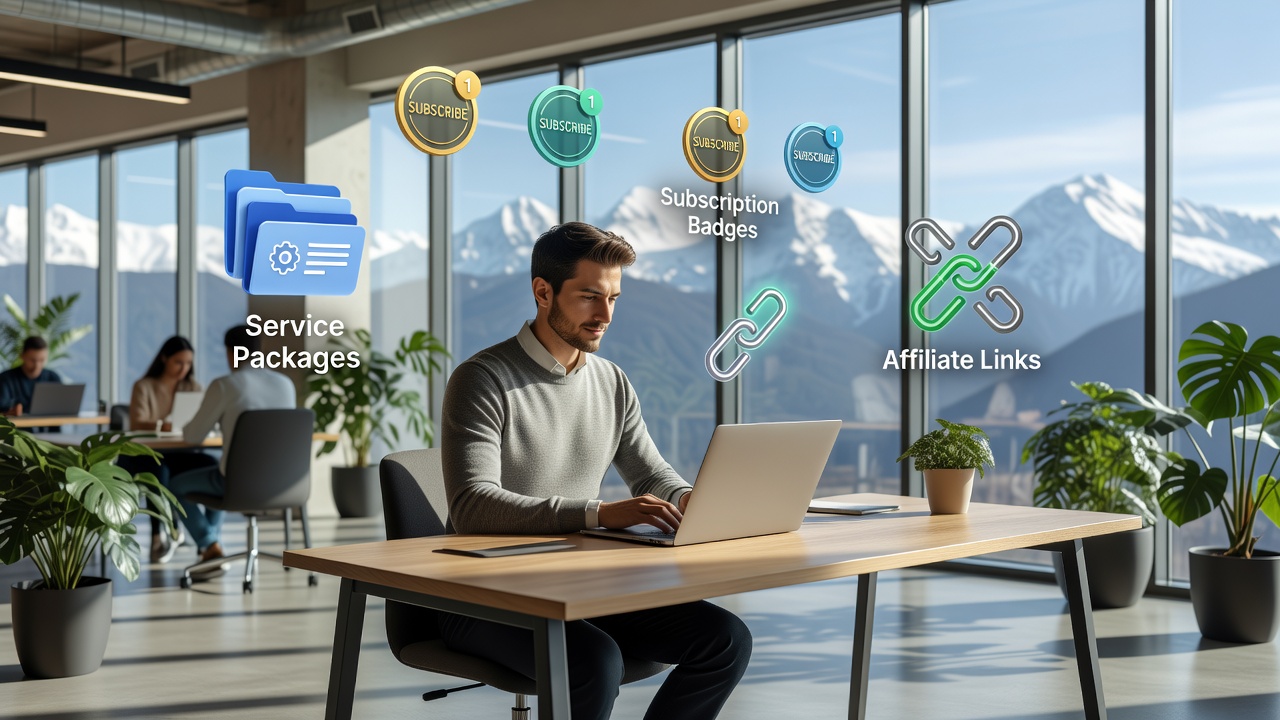
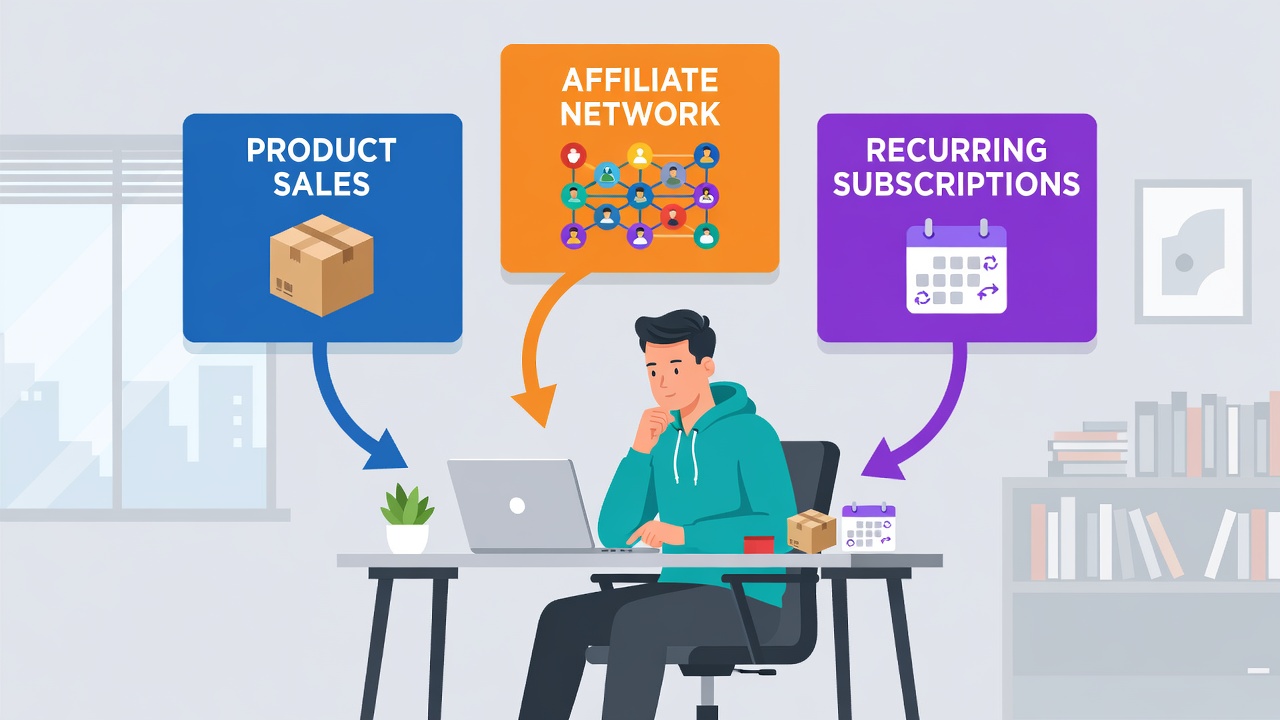
Remote workers can layer several models for balanced growth. Key options include productized services, affiliate marketing, and subscription-based offerings. Each model complements traditional client work by reducing dependency on one-off projects.
Productized Services
Turn repeatable tasks into fixed-price packages. This model reduces scope creep and attracts clients seeking predictable outcomes. Examples include pre-defined website audits or social media content calendars sold via platforms like your own site. Freelancers in graphic design often productize logo packages with tiered options, allowing them to deliver faster while maintaining quality. This approach appeals to busy clients who prefer clear deliverables over custom quotes.
Affiliate Marketing
Promote tools and services you already use through referral links. This works well for freelancers in niches like web design or copywriting, where trusted recommendations build authority over time. A copywriter might review project management software in blog posts, earning commissions when readers sign up. The key is authenticity, as audiences value honest endorsements that solve real problems they face daily.
Subscription-Based Offerings
Offer ongoing value through memberships, such as monthly strategy calls or resource libraries. This creates recurring revenue and fosters client loyalty. For example, a marketing freelancer could offer a subscription for weekly templates and group Q&A sessions, turning one-time clients into long-term supporters who appreciate consistent access to expertise.
Actionable Steps for Implementation
Building new income streams requires a structured plan to avoid overwhelm. Follow these detailed steps to launch effectively.
- Audit your current skills and client work to spot patterns suitable for packaging. Review past projects for recurring elements that could become standardized offerings.
- Research audience pain points via surveys or social listening to validate new offerings. Use free tools like Google Forms to gather insights directly from your network.
- Start small by launching one new stream alongside existing work to manage risk. Test with a limited audience before scaling.
- Build a simple landing page to test demand before full investment. Include clear calls-to-action and testimonials from early users.
- Track initial results for 30-60 days and iterate based on feedback. Monitor conversion rates and adjust pricing or features accordingly.
- Integrate automation early, such as email sequences for new subscribers, to free up time for core freelance tasks.
- Network in relevant communities to promote your new offerings organically without aggressive selling.
Real-world examples show freelancers successfully adding affiliate income by reviewing software in niche blogs, generating supplemental earnings without extra client hours. One web developer documented a 40 percent increase in total income after six months of consistent affiliate content creation.
Low-Risk Versus High-Reward Options: A Comparison
Low-risk approaches focus on extensions of existing expertise, such as productized services, which require minimal upfront costs and leverage proven skills. These options provide steady returns with lower time investment once established. High-reward options like subscription models or digital products demand more initial creation time but scale better long-term, potentially creating significant passive income. Weigh your risk tolerance, available time, and market demand when choosing paths. Many start with low-risk models to build momentum before pursuing higher-reward experiments that involve audience building or content production.
Consider factors like your current client load and technical skills. Low-risk choices suit those with limited bandwidth, while high-reward paths reward consistent effort over months.
Essential Tools and Tracking Progress
Use reliable platforms to manage multiple streams efficiently. Project management tools like Trello help organize offerings, while analytics software tracks affiliate performance and subscription metrics. Spreadsheets or dedicated finance apps monitor overall income allocation across sources. For affiliate tracking, integrate platforms that provide real-time commission reports. Subscription management benefits from tools that handle recurring billing and member access automatically.
Set quarterly reviews to assess which streams contribute most and adjust accordingly. This data-driven approach prevents overcommitment and highlights growth opportunities. Combine these with time-tracking software to ensure new streams do not erode focus on high-value client work. Many freelancers report improved clarity after implementing weekly dashboards that visualize income distribution.
Common Pitfalls to Avoid
- Spreading efforts too thin across too many models simultaneously, leading to burnout. Focus on two or three streams initially for sustainable progress.
- Neglecting legal structures, such as proper business registration for new revenue types. Consult resources from the U.S. Small Business Administration to ensure compliance from the start.
- Ignoring audience needs in favor of trends that do not align with your expertise. Always validate ideas with your existing network before launch.
- Failing to disclose affiliate relationships, which can damage trust. Follow guidelines from the Federal Trade Commission to maintain transparency and credibility.
- Underestimating the learning curve for new tools, which can delay launches. Allocate dedicated time for setup and testing.
Time Management Strategies for Diversified Remote Work
Effective time management becomes essential when juggling multiple income sources. Block dedicated time for each stream using calendar tools. Prioritize high-impact activities and automate repetitive tasks where possible. Successful freelancers often allocate mornings to client work and afternoons to new stream development. Use techniques like the Pomodoro method to maintain focus during creative tasks such as content creation for affiliates.
Batch similar activities, such as writing multiple affiliate posts in one session, to increase efficiency. Regular breaks and boundary setting help prevent burnout, especially for those balancing client deadlines with passive income building. Review weekly schedules to identify leaks and reallocate time toward the most profitable streams.
Frequently Asked Questions
How do taxes work with multiple income streams in 2026?
Track all earnings separately for accurate reporting. Consult resources from the IRS for self-employment tax guidelines. Many freelancers use accounting software to categorize income by source and set aside funds quarterly. Separate bank accounts for each stream can simplify record-keeping and reduce errors during tax season.
What are the best time management strategies for diversified remote work?
Block dedicated time for each stream using calendar tools. Prioritize high-impact activities and automate repetitive tasks where possible. Successful freelancers often allocate mornings to client work and afternoons to new stream development while reserving evenings for lighter administrative tasks.
Conclusion
Diversifying income streams empowers remote freelancers to achieve stability and growth in 2026. By starting with complementary models, following structured implementation steps, and avoiding common pitfalls, you can build a resilient career. Begin with one addition this quarter and expand based on results for sustainable success. The combination of practical models and disciplined execution leads to long-term financial freedom in the remote economy.


No comments yet. Be the first!