 Jobboy

2026 Creator Economy Niches for Remote Freelancers: Affiliate Focus
The creator economy continues to evolve rapidly, offering remote freelancers unprecedented opportunities to build sustainable income streams through strategic content creation and monetization. In 2026, affiliate marketing remains a cornerstone strategy for those seeking location independence while scaling their earnings without traditional office constraints. This comprehensive guide examines emerging niches, practical entry methods, monetization comparisons, real-world examples, and proven tactics tailored specifically for freelancers who work remotely from anywhere in the world.
Criteria for Selecting High-Potential Niches
Choosing the right niche requires balancing personal expertise with market demand and long-term viability. Successful remote freelancers evaluate factors such as audience pain points, competition levels, and alignment with affiliate programs that offer reliable commissions. Sustainable niches often feature recurring problems that products can solve, while emerging technologies create fresh opportunities for timely content that resonates with digital audiences. Additional criteria include the potential for evergreen content that performs well over time, compatibility with remote lifestyles involving travel or flexible schedules, and strong commission structures from established affiliate networks. Remote workers should prioritize niches that support digital delivery methods, global audiences, and content formats like videos, blogs, or newsletters that can be produced with minimal physical resources. For instance, evaluating search volume trends and competitor analysis helps identify gaps where a freelancer can establish authority quickly.
Top Emerging Niches in 2026
Two standout areas stand out for affiliate-focused creators in the current landscape: sustainable living and AI productivity tools. Sustainable living attracts environmentally conscious consumers seeking ethical products, zero-waste solutions, and lifestyle changes that reduce environmental impact. This niche allows remote freelancers to create content around portable eco-friendly gear suitable for nomadic lifestyles, such as reusable travel items or carbon-neutral travel tips. AI productivity tools appeal to professionals aiming to optimize workflows amid rapid technological shifts, covering areas like prompt engineering for generative AI, tool comparisons for automation, and workflow tutorials that demonstrate efficiency gains. Within sustainable living, subtopics like ethical fashion sourcing and home energy reduction perform well for digital nomads who frequently relocate. In the AI space, niches expand to include AI ethics discussions, integration with freelance tools, and case examples of productivity boosts for independent workers. These areas show strong affiliate potential because they involve high-consideration purchases where recommendations carry significant influence.
Step-by-Step Entry Tactics
Begin by auditing your existing skills and interests to identify authentic angles that align with your remote work experiences. Next, research affiliate programs in your chosen niche using established networks, focusing on those with global reach and straightforward tracking. Create a content calendar focused on problem-solving posts that naturally incorporate affiliate recommendations, such as how-to guides or product comparisons. Launch with a minimum viable site or channel on a platform that supports remote publishing, then iterate based on engagement data and performance metrics. Consistency in posting schedules helps build momentum quickly for remote freelancers who may deal with varying internet access. Additional steps involve optimizing for search engines with keyword research, building an email list early for direct audience communication, and testing different content formats like short videos or in-depth reviews to see what drives conversions best. Track progress weekly to refine approaches and avoid common early mistakes like inconsistent branding.
Monetization Comparisons Across Platforms
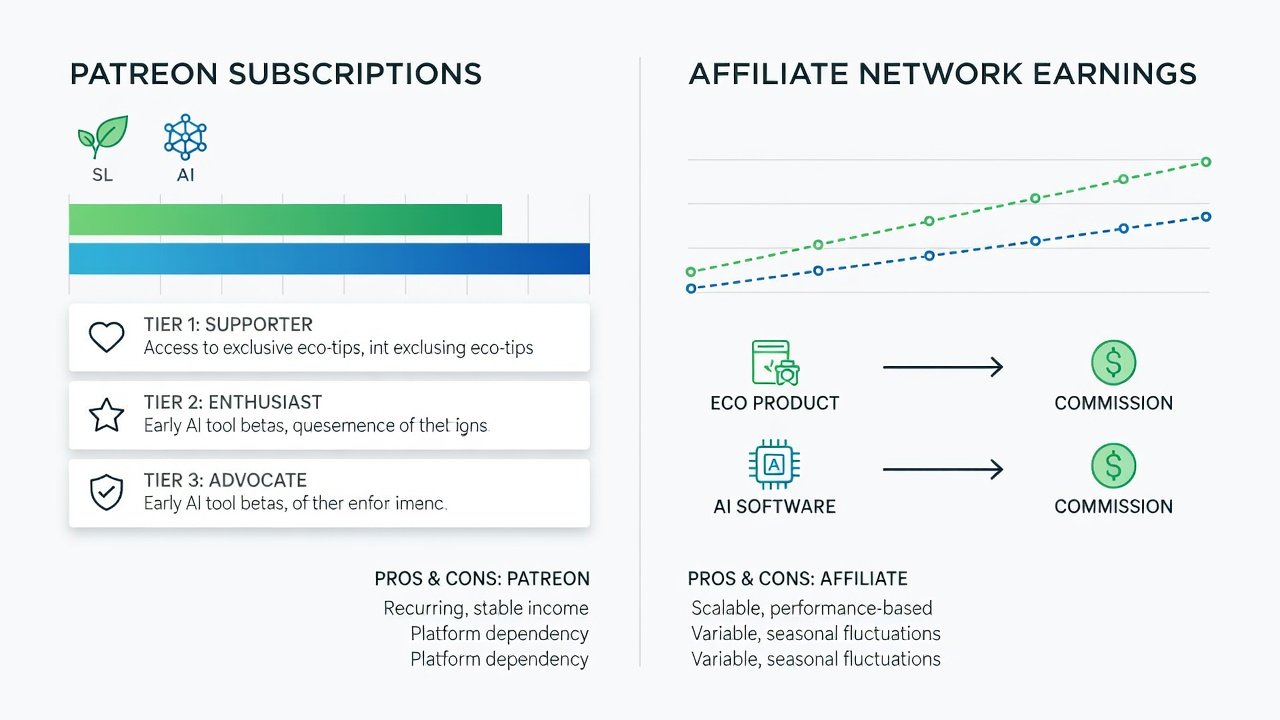
Patreon offers recurring subscription revenue ideal for exclusive content and community building, providing predictable income for creators who deliver ongoing value to dedicated followers. In contrast, affiliate networks provide performance-based earnings that scale with traffic and conversions, often yielding higher upside for niche experts who drive targeted recommendations. Many creators combine both approaches for diversified income streams that buffer against fluctuations in any single source. Affiliate marketing frequently outperforms in niches with high-ticket items, while Patreon suits those with loyal, engaged followings seeking predictable monthly support. Additional platforms like newsletter sponsorships or marketplace integrations can complement these, but the core comparison hinges on audience size and engagement levels. Remote freelancers benefit from the flexibility of affiliate links that require no physical inventory and work across time zones. Federal Trade Commission guidelines emphasize clear disclosures in all promotional content to maintain trust and compliance.
Real-World Case Studies
One remote freelancer specializing in sustainable living grew her affiliate income by focusing on detailed product reviews and comparison guides tailored to travelers, eventually partnering with multiple eco-brands for ongoing promotions. She started with blog posts about minimal packing lists and expanded to video tutorials demonstrating product durability in various climates. Another creator in the AI productivity space documented his workflow experiments in weekly updates, leading to sponsored opportunities and referrals through affiliate networks as his audience grew. These examples highlight the importance of authentic recommendations, consistent value delivery, and adapting content to remote challenges such as unreliable connectivity or multi-timezone collaboration. Scaling often involves reinvesting early earnings into better tools and audience research to accelerate growth.
Audience Building Strategies for Digital Nomads
Digital nomads benefit from platforms that allow content creation and distribution on the go, including mobile-friendly tools for editing and scheduling posts. Leverage social media channels for initial discovery and email lists for long-term retention and direct monetization. Collaborate with other remote creators through guest posts or joint projects to expand reach across different time zones and demographics. Focus on SEO-optimized content that addresses location-independent challenges, such as recommendations for portable sustainable products or AI tools accessible anywhere with internet connectivity. Building community through forums or live sessions helps foster loyalty, while cross-promotion with complementary niches increases visibility without additional travel. Regular analysis of audience demographics ensures content remains relevant as followers evolve.
Common Pitfalls and Practical Avoidance Tips
- Avoid oversaturating content with promotional links; instead, prioritize genuine recommendations that solve real problems to maintain audience trust.
- Steer clear of neglecting audience engagement by responding thoughtfully to comments and messages, which fosters a supportive community over time.
- Do not ignore disclosure requirements; always follow guidelines from authoritative bodies such as the Federal Trade Commission to ensure transparency in affiliate promotions.
- Prevent burnout by batching content creation during periods of stable travel and using automation for routine tasks like social sharing.
- Another pitfall is choosing overly saturated niches without differentiation; mitigate this by incorporating personal remote work stories for unique angles.
FAQ
What tools help beginners start quickly?
Essential tools include content management systems for easy publishing, affiliate tracking platforms for monitoring performance, and analytics dashboards to understand traffic sources and conversion rates. Additional options like keyword research software and email automation services streamline the process for remote setups.
How long does it typically take to see results?
Most freelancers report initial traction within three to six months with consistent effort and quality content, though timelines vary by niche competition and execution quality. Early focus on SEO and audience interaction can shorten this period.
Can these strategies work fully remotely?
Yes, all recommended tactics support fully remote operations with cloud-based tools and global affiliate programs that function independently of location.
What are effective ways to track affiliate performance?
Utilize built-in dashboards from affiliate networks combined with custom analytics to measure clicks, conversions, and revenue attribution across different content pieces.

No comments yet. Be the first!