 Jobboy
Introduction: Why the Creator Economy Matters for Remote Freelancers in 2026
The creator economy continues to expand rapidly, offering remote freelancers opportunities beyond traditional gig work. In 2026, freelancers can tap into specialized niches that combine content creation with community building and monetization. This guide examines emerging sub-niches such as niche podcasting, short-form video editing, and digital community management, providing actionable steps for platform setup, pricing models, audience growth, and tool selection. Remote freelancers benefit from flexible schedules and global reach, allowing them to serve clients or audiences across time zones without a physical office. Success requires strategic niche selection and diversification to mitigate risks like algorithm shifts on major platforms. Many freelancers are moving away from one-off projects toward recurring revenue models that reward consistent value delivery and audience loyalty.
Emerging Sub-Niches in the 2026 Creator Economy
Three high-potential areas stand out for remote workers seeking sustainable income streams. Each offers unique entry points and scalability.
Niche Podcasting
Targeted podcasts on topics like sustainable urban gardening or indie game development attract dedicated listeners willing to pay for exclusive episodes or bonus materials. Freelancers produce episodes, secure sponsorships from aligned brands, and build listener communities through Q&A sessions. For example, a remote freelancer might focus on micro-podcasts about remote work tools, interviewing experts weekly and offering early access via memberships. This sub-niche rewards deep expertise and consistent release schedules, often leading to sponsorship deals once audience size reaches a few thousand engaged listeners.
Short-Form Video Editing
Platforms favor concise clips that capture attention in seconds. Freelancers specialize in editing for creators in wellness or tech reviews, repurposing long-form content into viral shorts optimized for hooks, captions, and trending audio. A typical workflow involves taking raw footage from client interviews and transforming it into 15-60 second segments that drive traffic back to longer content or product links. This niche suits detail-oriented freelancers who enjoy fast turnaround times and iterative creative work.
Digital Community Management
Managing paid Discord servers or membership forums for brands allows freelancers to handle engagement, moderation, and content curation remotely. Tasks include scheduling discussions, resolving conflicts, and creating weekly challenges that keep members active. Successful managers often start with one or two communities and scale to multiple clients by developing templates for onboarding and event planning.
Step-by-Step Niche Selection Process
- Assess your skills and interests against market demand by listing past projects and identifying patterns in what you enjoy delivering.
- Research audience pain points using free tools like Google Trends and social listening on platforms such as Reddit or X.
- Validate demand by testing small content pieces on social platforms and measuring engagement metrics like comments and shares.
- Evaluate monetization potential through memberships, sponsorships, or digital products by analyzing similar creators' offerings.
- Consider competition levels and your unique angle, such as combining two interests into a hybrid niche like podcasting for freelancers in specific industries.
- Map out a 90-day content plan to ensure the niche supports long-term consistency without burnout.
Monetization Strategies on Patreon and Substack
Both platforms enable direct fan support without relying solely on ad revenue. Patreon excels for tiered memberships with exclusive perks, while Substack focuses on newsletters with paid subscriptions that build owned email lists.
Setting Up on Patreon
Create an account, define 3-5 membership tiers with clear benefits such as early episode access or private Discord channels, upload welcome content, and promote via social channels. Set goals for monthly earnings tied to deliverables like bonus episodes or behind-the-scenes updates. Many creators launch with a low entry tier to attract initial supporters before expanding higher tiers with personalized coaching elements.
Setting Up on Substack
Launch a newsletter, import existing subscribers from other lists, offer free and paid tiers, and use built-in analytics to refine topics based on open rates. Cross-promote with other creators through guest posts or newsletter swaps. Successful Substack writers often publish twice weekly to maintain momentum while gradually introducing paid-only deep dives.
Audience Growth Tactics
- Repurpose content across platforms consistently by turning podcast episodes into video clips, blog summaries, and social posts.
- Collaborate with complementary creators for shoutouts, joint live sessions, or bundle promotions that introduce your work to new audiences.
- Host live sessions to build personal connections, answering questions in real time and fostering a sense of belonging among followers.
- Optimize SEO for discoverability on search engines and app stores by researching keywords and incorporating them naturally into titles and descriptions.
- Run targeted giveaways or challenges that encourage sharing and grow your email list organically.
- Track analytics weekly to identify which content types drive the most referrals and double down on those formats.
Tool Comparisons for Content Repurposing and Automation
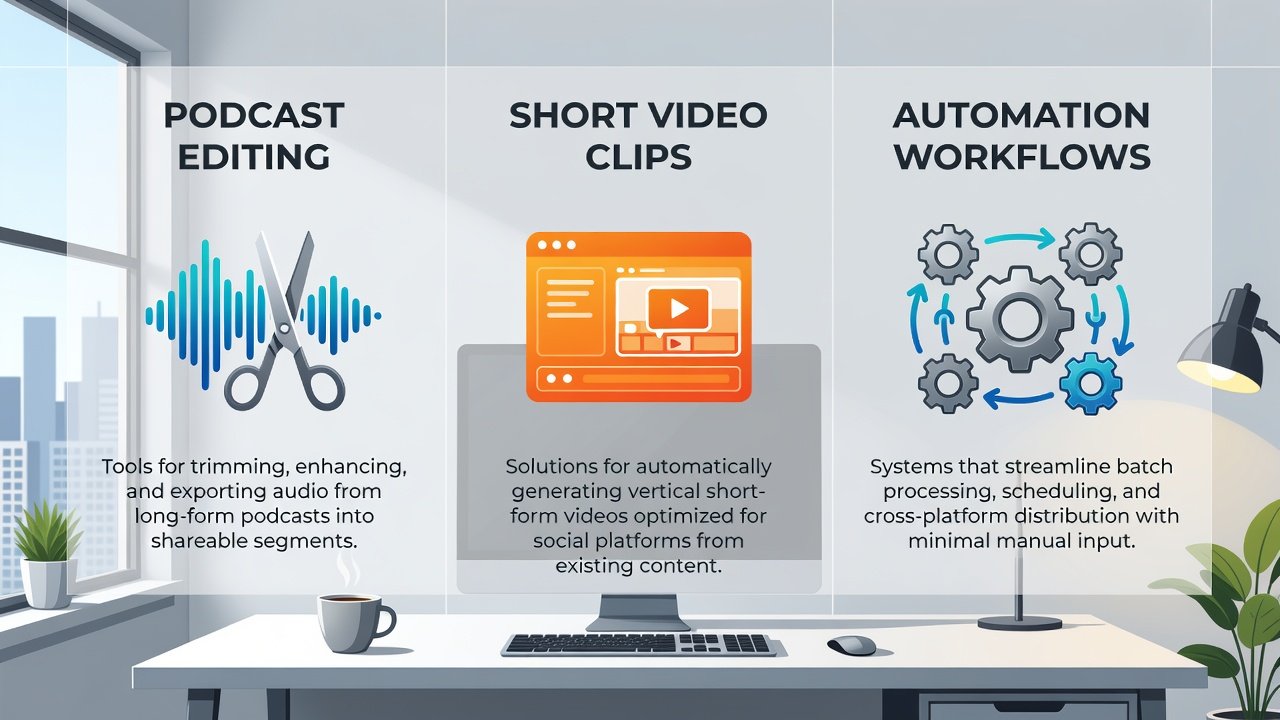
Effective tools streamline workflows and reduce repetitive tasks. Compare options like Descript for audio transcription and editing versus CapCut for quick video cuts with built-in effects. Automation platforms such as Zapier connect posting schedules across social networks, while Notion organizes content calendars and client deliverables in one workspace. Evaluate based on ease of use, integration capabilities, output quality, and pricing structure for your chosen niche. For instance, freelancers handling both audio and video often prefer all-in-one solutions that allow seamless repurposing from one master file. Testing free trials helps determine which combination fits individual workflows without overwhelming complexity.
Real Case Studies from Successful Remote Creators
One freelancer built a niche podcast on remote work tools, growing to thousands of subscribers through consistent Substack newsletters and Patreon exclusives. She started by interviewing peers in her network, then expanded to industry experts, using listener feedback to refine topics. Within eight months she diversified into sponsored episodes while maintaining editorial independence. Another specializes in short-form editing for fitness influencers, using automation to handle client volume while maintaining quality. He repurposes hour-long workouts into daily motivational clips, achieving viral reach that led to retainer contracts. A community manager scaled multiple Discord servers for indie authors, diversifying income via consulting gigs and template sales. She began with volunteer moderation experience and leveraged testimonials to land paid clients across genres.
FAQ: Addressing Common Pitfalls
How do I handle algorithm changes?
Focus on owned channels like email lists and direct memberships rather than relying solely on platform algorithms. Diversify distribution by maintaining presence on multiple networks simultaneously.
What about income diversification?
Combine multiple streams such as sponsorships, digital products, and consulting to reduce dependency on any single source. Review revenue mix quarterly and adjust based on performance data.
Is starting from zero realistic in 2026?
Yes, with consistent value delivery and strategic platform use, many freelancers achieve traction within six months by focusing on one niche deeply before expanding.
What common mistakes should beginners avoid?
Avoid overcommitting to too many platforms at launch or neglecting audience engagement in favor of pure content production. Build systems early for sustainability.
Conclusion
Remote freelancers positioned in 2026 creator economy niches can achieve scalable income through targeted content and community strategies. Begin with niche validation, leverage Patreon or Substack for monetization, and continuously refine tactics based on audience feedback. The combination of specialized skills and direct monetization creates resilient careers that adapt to evolving digital landscapes.

No comments yet. Be the first!