 Jobboy
Introduction to 2026 Creator Economy Niches
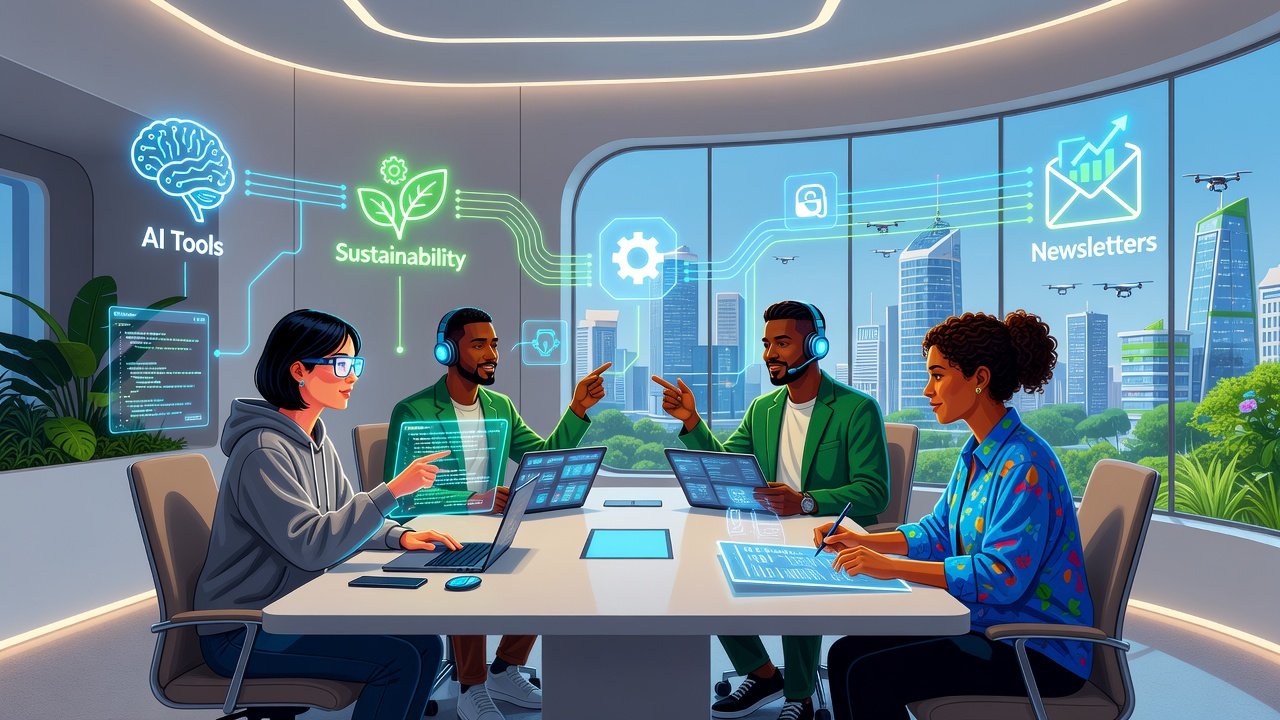
The creator economy continues to evolve rapidly, offering remote freelancers fresh opportunities beyond traditional gigs. In 2026, niches that blend personal expertise with emerging trends like AI integration and sustainable living stand out for scalable revenue. Remote freelancers can leverage these areas to build independent income streams while maintaining location flexibility. This shift allows individuals to move away from hourly client work toward ownership of their intellectual property and audience relationships.
This guide explores proven niches, selection criteria, monetization platforms, and practical strategies. It draws on real transitions from corporate roles to creator success, helping you avoid common mistakes compared to standard freelance work. By the end, you will have actionable steps to launch and grow in these spaces.
Key Criteria for Selecting a 2026 Creator Niche
Choosing the right niche requires evaluating demand, your skills, and monetization potential. Focus on topics with growing search interest but moderate competition. Assess audience pain points through keyword tools and social listening. Prioritize niches where you can demonstrate authority quickly, such as those tied to remote work or tech advancements.
Consider longevity: niches intersecting with AI ethics or wellness for digital nomads show strong staying power. Test viability by creating initial content and measuring engagement before full commitment. This structured approach outperforms random pivots common in traditional freelance marketplaces. Additional factors include your passion level, existing network, and ability to produce content consistently across formats like video, text, and audio.
Evaluating Market Demand
Use free analytics platforms to review search volume trends over the past year. Look for upward trajectories in keywords related to your proposed niche. Cross-reference with social media discussions to confirm real-world interest. Remote freelancers who skip this step often struggle with low engagement later.
Emerging Niches for Remote Freelancers in 2026
Several niches are primed for growth. AI-assisted content creation for small businesses attracts brands seeking efficient workflows. Sustainable remote work practices appeal to eco-conscious professionals building location-independent careers. Personalized wellness coaching via newsletters targets high-value subscribers in health tech.
Another strong option is niche education on digital privacy for freelancers, addressing rising concerns around data security. These areas allow remote workers to monetize knowledge without physical presence. A fourth emerging niche involves creator tools for non-English speaking audiences, where localization experts can thrive by adapting global trends to regional markets.
Why These Niches Outperform Others
Traditional freelance niches like general graphic design face saturation, while these creator-focused areas reward expertise and community building. Remote freelancers benefit from lower overhead since no office or travel is required.
Platform-Specific Monetization Strategies
Patreon excels for exclusive community access, where creators offer tiered memberships with behind-the-scenes insights or live sessions. Newsletters via platforms like Substack enable direct subscriber payments through premium content. Combine both for diversified income: use newsletters for broad reach and Patreon for deeper engagement.
Successful remote freelancers often start with free content on social channels to funnel audiences to paid platforms. Patreon provides built-in tools for recurring revenue, while newsletter services support ad-free experiences that boost loyalty. Additional platforms worth exploring include YouTube for long-form video sponsorships and LinkedIn for B2B creator consulting services.
AI Tools for Scaling Content Creation
AI writing assistants and image generators help freelancers produce consistent output across niches. Tools for transcription, SEO optimization, and audience analytics reduce manual effort significantly. Integrate these to scale from one-off posts to full campaigns without burnout. Popular options include automated research summaries and voice cloning for podcast episodes, allowing creators to maintain output even during travel.
Examples include using AI for personalized newsletter curation or generating niche-specific video scripts. Always review outputs for authenticity to maintain audience trust. Substack integrates well with AI for scheduling and analytics features that help track subscriber growth patterns.
Real-World Examples of Successful Transitions
One former software engineer shifted to AI ethics content creation, growing a newsletter to thousands of subscribers within a year through consistent remote publishing. Another freelancer moved from graphic design gigs to sustainable living tutorials, using Patreon to fund in-depth guides while working from multiple countries.
A third example involves a marketing specialist who pivoted to digital privacy education for freelancers. She built an audience through targeted LinkedIn posts and now runs paid workshops alongside her newsletter. These cases highlight how leveraging existing skills in new formats leads to higher earnings and autonomy than traditional client-based work. Many report greater work-life balance after the initial ramp-up period.
Step-by-Step Setup Guides for New Niches
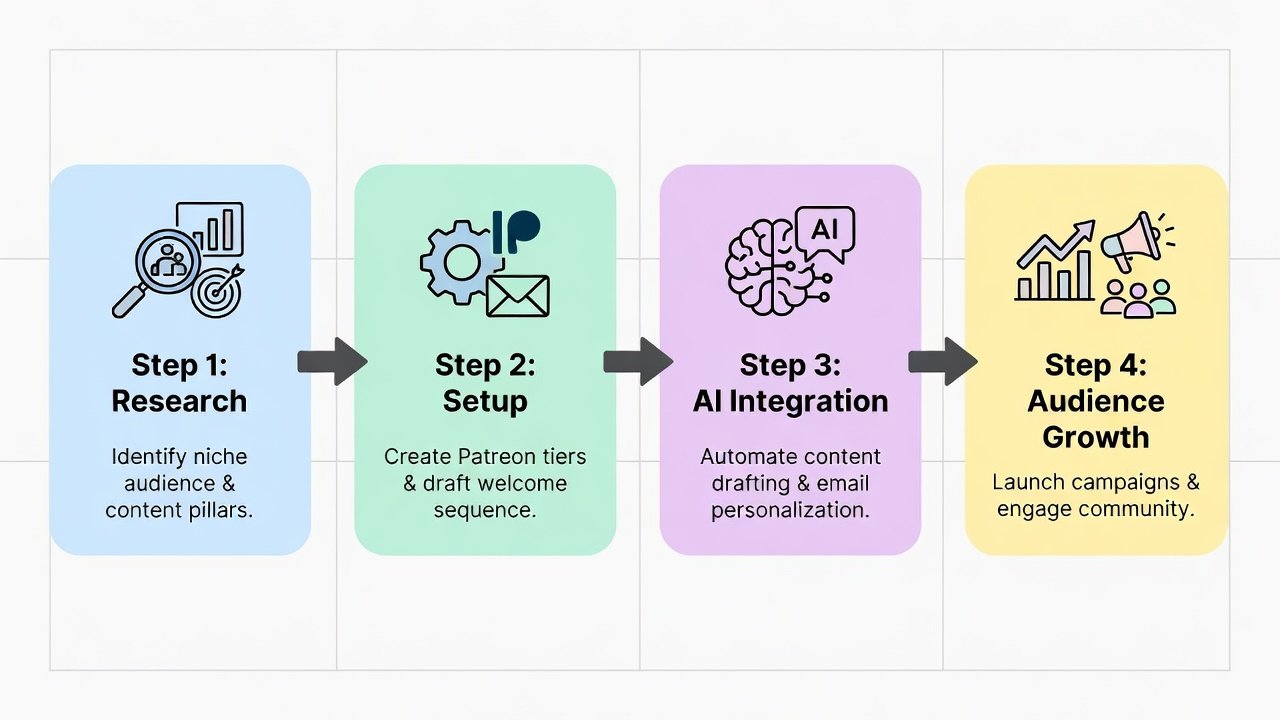
Begin by validating your niche with competitor analysis and initial content tests. Set up profiles on chosen platforms, then create a content calendar focused on audience needs. Launch with a welcome series to build momentum.
Next, implement monetization by defining tiers and benefits. Promote through targeted outreach on relevant communities. Track performance weekly and iterate based on feedback. For remote freelancers, incorporate time-zone friendly live sessions to accommodate global audiences.
Detailed Launch Timeline
- Week 1: Research and validate niche with 10 sample topics.
- Week 2: Create profiles and branding assets.
- Week 3: Publish first five pieces of content.
- Week 4: Open monetization tiers and promote to early followers.
Audience Building Tactics and Common Pitfalls
Build audiences via cross-promotion, collaborations, and value-first content. Engage consistently in niche forums and leverage SEO for organic growth. Avoid pitfalls like over-narrowing too early or ignoring platform algorithm changes.
Compared to traditional freelance, creator work offers passive income potential but requires upfront audience investment. Pitfalls include inconsistent posting and underpricing offerings—mitigate with clear value propositions. Another frequent mistake is neglecting email list ownership, which leaves creators vulnerable to platform policy shifts.
Actionable Checklists for Launch
- Research 3-5 niches using free tools and note competition levels.
- Define your unique angle and create 5 sample pieces.
- Set up Patreon and newsletter accounts with compelling branding.
- Integrate 2 AI tools for workflow efficiency.
- Establish weekly metrics review for growth tracking.
- Plan three collaboration opportunities with complementary creators.
- Prepare backup content for travel or downtime periods.
Conclusion
Transitioning into 2026 creator economy niches positions remote freelancers for sustainable growth and independence. By focusing on high-potential areas, mastering platform tools, and applying consistent audience strategies, you can build revenue streams that outperform traditional freelance models. Start small, measure results, and scale what works.
FAQ: Measuring Niche Viability
How do I test niche demand quickly? Publish 3-5 pieces and monitor engagement metrics over two weeks.
What signals indicate strong monetization potential? High comment volume, share rates, and direct inquiries about paid options.
Should I quit traditional freelance immediately? Overlap both for 3-6 months while building creator revenue streams.
How often should I update my content strategy? Review analytics monthly and adjust based on audience feedback and emerging trends.

No comments yet. Be the first!