 Jobboy

Introduction: Why Podcast Guesting Matters for Job Seekers in 2026
In a competitive job market, traditional applications often get lost in applicant tracking systems. Podcast guesting offers a strategic alternative, allowing job seekers to demonstrate thought leadership, build authority in target industries, and create organic connections with recruiters and hiring managers. This approach leverages audio content's rising popularity to bypass job boards entirely, turning your expertise into a powerful networking tool that reaches decision-makers directly.
By the end of 2026, professionals who master podcast pitching will have a clear edge. Guest appearances can lead to referrals, networking opportunities, and even direct recruiter outreach. The job search landscape continues to evolve with more emphasis on personal branding and thought leadership. This guide covers every step, from selection to measurement, with actionable templates, real-world examples, and strategies tailored for sustained success throughout the year.
Selecting the Right Niche Podcasts for Maximum Impact
Start by identifying podcasts aligned with your target industry, role, or skill set. Focus on shows with engaged audiences in sectors like technology, marketing, finance, or healthcare. Use directories such as Apple Podcasts and search terms like "industry trends 2026" or "career growth strategies." Research shows that niche podcasts often yield higher engagement rates because listeners are actively seeking specialized knowledge.
Prioritize mid-sized shows with 5,000–50,000 listeners per episode rather than massive platforms. These often welcome guest pitches and provide better engagement. Check recent episodes for topics that overlap with your expertise, such as leadership or innovation. Tools like podcast search engines and social listening on LinkedIn can help uncover hidden gems. Consider factors like episode frequency, host interaction style, and audience demographics to ensure alignment with your career goals. For instance, a software engineer targeting fintech might focus on shows discussing regulatory changes and emerging technologies in 2026.
Research Techniques for Podcast Discovery
Begin with keyword searches on major platforms and cross-reference with industry forums. Listen to at least three episodes before pitching to understand the tone and format. Note any recurring themes or guest profiles that match your background. This preparation prevents mismatched pitches and increases acceptance rates significantly.
Crafting Compelling Pitches with Keyword-Rich Subject Lines
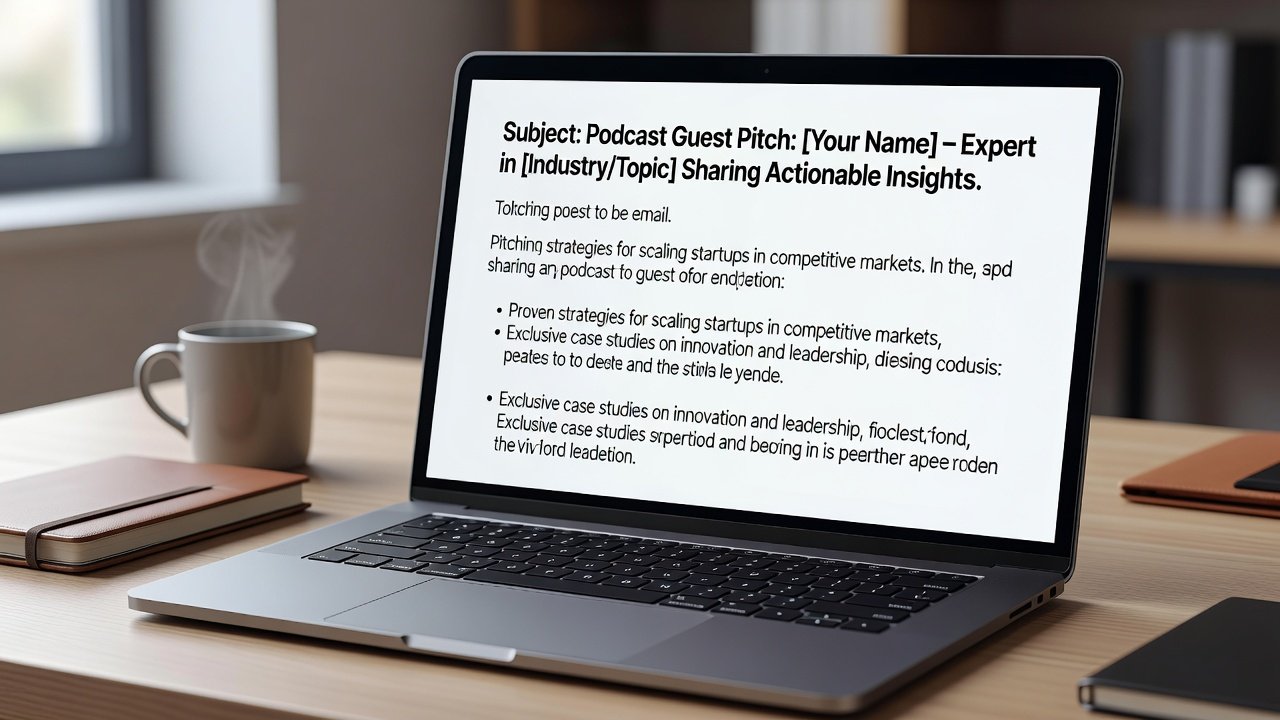
Your pitch email must stand out immediately. Use subject lines incorporating keywords like "2026 industry insights" or "expert perspective on [specific topic]." Keep the body concise yet informative: introduce yourself, explain why you're a fit, suggest 2–3 talking points, and include a clear call to action. Personalization is key—mention a specific episode or recent guest to demonstrate research.
Example subject line: "2026 Remote Work Trends: Expert Guest Pitch for Your Show." Incorporate relevant keywords naturally to improve open rates. Avoid generic phrases; instead, tie your pitch to current events or listener pain points. A strong pitch highlights mutual value, such as how your insights can educate the audience while positioning you as an authority.
Step-by-Step Outreach Templates and Follow-Up Sequences
Here is a proven outreach template you can adapt:
- Subject line with keywords and personalization.
- Opening paragraph: Reference a specific episode and express admiration.
- Value proposition: Highlight 1–2 achievements relevant to the audience and your unique angle.
- Proposed topics: List 3 bullet points with potential discussion angles.
- Closing: Suggest flexible dates, include your LinkedIn profile, and thank the host.
Follow up after 7 days with a brief reminder that adds new value, such as a recent article you've published. A second follow-up at 14 days can include a new angle or reference to listener feedback on similar topics. Track responses in a simple spreadsheet to refine your approach over time. Timing matters—send pitches mid-week when hosts are more likely to review submissions.
Preparing Talking Points That Highlight Achievements
Once booked, prepare 5–7 key talking points that showcase your expertise without sounding scripted. Weave in quantifiable achievements, such as "Led a team that increased efficiency by 35%." Practice concise stories using the STAR method (Situation, Task, Action, Result). Anticipate questions about industry challenges in 2026 and prepare forward-looking insights that demonstrate strategic thinking.
Rehearse with a colleague or record yourself to refine delivery. Focus on storytelling that resonates with listeners facing similar career hurdles. Prepare backup examples in case the conversation shifts unexpectedly. This preparation ensures you come across as confident and knowledgeable, increasing the likelihood of positive listener responses and follow-up connections.
Repurposing Episodes for LinkedIn and Resumes
After recording, create LinkedIn posts summarizing key insights with timestamps and direct links to the episode. Add the appearance to your resume under a "Thought Leadership" or "Professional Development" section with a brief description of topics covered. Share short clips on professional networks to extend reach and attract recruiter attention. Consider creating a dedicated content series on your profile that repurposes multiple appearances for maximum visibility.
This repurposing turns one-time episodes into ongoing assets that support your job search. For example, a single podcast can generate 5–10 LinkedIn posts, each sparking conversations that lead to informational interviews. Update your professional profiles promptly to capitalize on momentum from the release.
Turning Guest Spots into Recruiter Referrals
During the episode, subtly mention you're exploring opportunities in specific areas without sounding desperate. Post-episode, send personalized LinkedIn connection requests to listeners who engage with your content. Many recruiters monitor podcast discussions in their niches and reach out directly when they hear relevant expertise. Follow up with hosts for introductions to their networks, as strong relationships often yield referrals months later.
Real-world examples show candidates securing interviews after hosts shared their episodes with hiring managers. Track these interactions in your job search CRM to nurture long-term connections beyond the initial appearance.
Measuring Success Through Listener Metrics and Job Leads
Track downloads, shares, and comments on each episode using platform analytics. Set goals such as 3–5 new connections per appearance leading to informational interviews. Monitor job leads generated over 30–60 days post-episode for sustained momentum. Tools integrated with LinkedIn can help quantify engagement from your repurposed content.
Success metrics should also include qualitative feedback like listener messages and host referrals. Adjust your strategy based on what resonates most, whether that's certain topics or outreach methods. Consistent measurement ensures your efforts contribute directly to employment outcomes.
Common Pitfalls to Avoid When Pitching Podcasts
Many job seekers fail by sending generic pitches or targeting overly broad shows. Always customize every email and verify the host's name and recent content. Another mistake is neglecting follow-ups or failing to prepare thoroughly for the actual recording. Avoid these by creating a checklist for each stage of the process.
Practical FAQs on Handling Rejections and Scaling Efforts
- How do I handle rejections? View them as data. Refine your pitch based on common feedback and try again with adjusted topics or different shows.
- How many pitches should I send weekly? Aim for 10–15 targeted pitches to maintain quality while scaling your outreach effectively.
- Can beginners succeed? Yes, start with smaller shows and build a portfolio of appearances that demonstrate growing expertise.
- What if I lack podcasting experience? Emphasize your domain knowledge and willingness to prepare extensively; many hosts value fresh perspectives over polished delivery.
- How can I scale for 2026 momentum? Batch your research and pitching sessions, then systematize repurposing to free up time for applications and interviews.
Conclusion: Building Sustained 2026 Job Search Momentum
Podcast pitching transforms passive job searching into active personal branding. By consistently applying these strategies—from targeted selection and compelling pitches to repurposing and measurement—you'll generate visibility, connections, and opportunities that traditional methods miss. Begin with 5 pitches this week to build momentum toward your next role, and revisit this guide as you refine your approach throughout 2026.

No comments yet. Be the first!