 Jobboy

Introduction to the 2026 Creator Economy for Remote Freelancers
The creator economy continues to expand rapidly, offering remote freelancers and digital nomads unprecedented opportunities to build sustainable income streams from anywhere. In 2026, niches that blend specialized skills with audience engagement stand out as true goldmines. This article explores actionable strategies for selecting and thriving in these spaces, including monetization via platforms like Patreon and Substack, affiliate marketing, and sponsorships. Remote work and freelancing have become mainstream, allowing solo operators to leverage video editing, community management, and content distribution tools without traditional office constraints. Whether you're a seasoned freelancer or just starting, understanding emerging trends ensures you stay ahead of the curve and capitalize on growing demand for authentic, niche-specific content.
Digital nomads particularly thrive when they align their expertise with evergreen audience needs such as productivity hacks, skill development, and lifestyle optimization. By focusing on remote-friendly creation methods, freelancers can produce high-quality output while traveling or working flexible hours, turning passion projects into reliable revenue sources.
Why These Niches Excel for Remote Freelancers in 2026
Remote freelancers benefit from low overhead and global reach. Niches focused on practical value, such as productivity for digital nomads or AI-assisted creative tools, attract engaged audiences willing to pay for premium content. Platforms like Patreon enable direct subscriptions, while Substack supports newsletter-based monetization through paid tiers. Successful solo operators often combine multiple revenue streams: sponsorships from relevant brands, affiliate links to tools, and exclusive community access. This diversified approach reduces risk and maximizes earnings potential in the gig economy, where traditional employment structures are increasingly replaced by independent creator models.
Moreover, the rise of remote work has created demand for content that addresses unique challenges like time zone management, cross-border taxation basics for freelancers, and maintaining work-life balance while traveling. These topics resonate deeply because they solve immediate pain points for a growing population of location-independent professionals.
Niche Selection Framework
Choosing the right niche requires a structured approach. Follow this framework to identify opportunities aligned with your skills and market demand. First, assess your expertise in areas like video editing or community management by listing past projects and client feedback. Second, research audience pain points using keyword tools and social listening on platforms frequented by remote workers. Third, evaluate monetization viability through affiliate programs and sponsorship potential by checking competitor success rates. Fourth, test small-scale content to measure engagement before full commitment, perhaps by posting three sample pieces and tracking metrics. Fifth, consider scalability for remote lifestyles, such as time-zone-friendly topics that can be created asynchronously. This method helps freelancers avoid oversaturated spaces and focus on high-growth areas that support long-term sustainability.
Top 2026 Creator Economy Niches for Remote Freelancers
Here are standout niches tailored for remote work and freelancing. The first is AI-Powered Content Creation, where creators teach freelancers how to use AI tools for efficient video editing and script generation. Monetize via Substack newsletters with premium AI prompt libraries and offer video tutorials that demonstrate real workflows. A second strong option is Digital Nomad Productivity Systems, focusing on remote work tools, time management, and location-independent workflows. Affiliate partnerships with software like project management apps drive revenue while you share personal case studies from your own travels. Third, Sustainable Remote Living covers eco-friendly setups for freelancers working abroad, including low-impact tech and travel hacks. Sponsorships from sustainable brands are common here because audiences value actionable advice on reducing carbon footprints while maintaining productivity. Fourth, Community Building for Solo Creators specializes in moderation and engagement strategies, offering Patreon-exclusive community management templates and live Q&A sessions. Finally, Freelance Skill Upskilling creates tutorials on advanced video editing techniques and platform algorithms, using affiliate links to editing software to generate passive income. Each niche supports remote freelancers by emphasizing flexible creation schedules and global audience appeal, with concrete examples like weekly video breakdowns or monthly community audits.
Monetization Paths: Patreon, Substack, Affiliates, and Sponsorships
Effective monetization blends subscription models with performance-based income. Patreon excels for recurring supporter payments and exclusive perks such as behind-the-scenes video editing sessions or private community forums. Substack shines for newsletter growth with optional paid subscriptions that deliver in-depth guides on community management. Affiliates allow promotion of tools without inventory, earning commissions on referred sales of software or courses. Sponsorships provide high-value deals once audience trust builds, often involving sponsored segments in videos or dedicated newsletter issues. Remote freelancers should start with free content to grow reach, then layer paid offerings. Case studies show solo operators reaching sustainable incomes by combining these methods within 18 months through consistent audience nurturing and transparent value delivery.
Comparing Emerging Tools for Content Distribution and Audience Growth
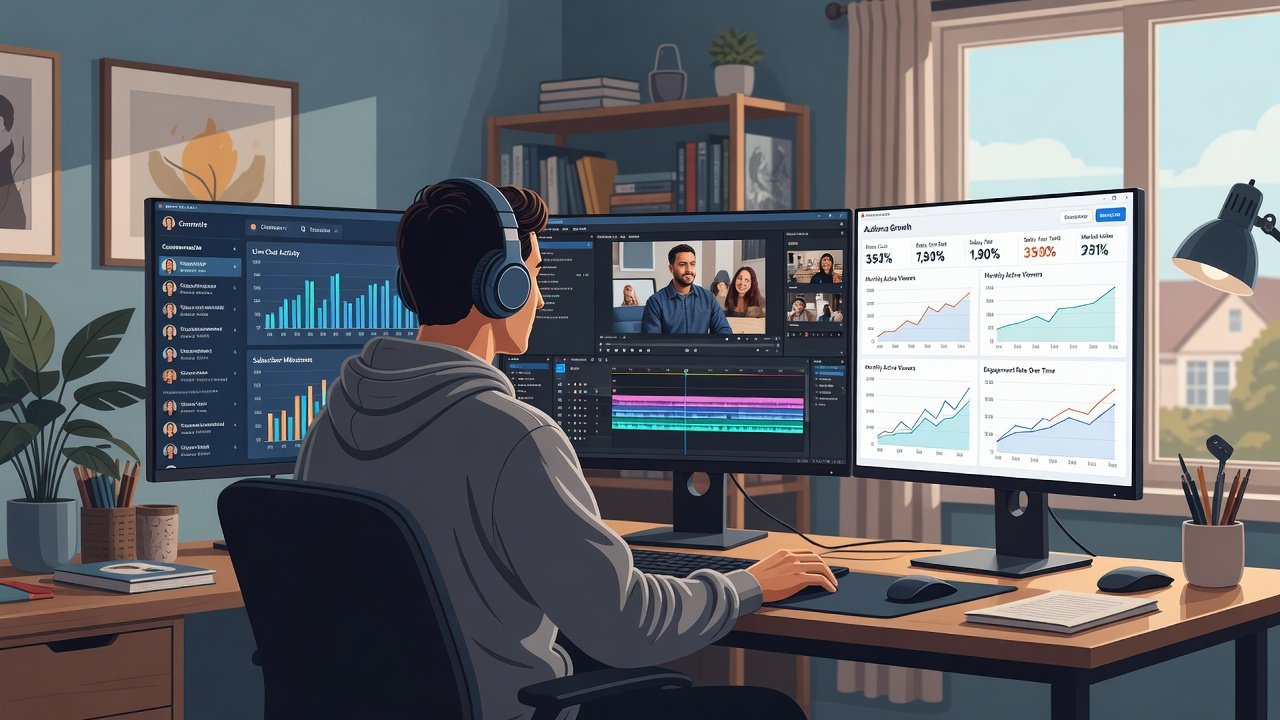
Selecting the right tools impacts growth speed significantly. Popular options include analytics platforms for audience insights that reveal which video editing tutorials perform best, scheduling software for consistent posting across time zones, and collaboration apps for remote team simulations during community management projects. Compare features like integration ease with existing workflows, mobile accessibility for on-the-go creation, and automation capabilities that free up time for high-value tasks. For instance, tools emphasizing batch scheduling allow freelancers to prepare a month's worth of content during focused work periods, while analytics dashboards help refine niche strategies based on real engagement data. Evaluating these tools side-by-side ensures you choose solutions that enhance rather than complicate your remote lifestyle.
Case Studies of Successful Solo Operators
One remote freelancer built a thriving niche around AI content tools, growing to substantial subscribers on Substack through consistent video editing tutorials that included downloadable templates and live demonstrations. This operator diversified by adding Patreon tiers for personalized feedback on community management strategies, resulting in multiple revenue streams. Another leveraged Patreon for a community management-focused newsletter, securing sponsorships from productivity brands after demonstrating clear audience growth metrics. A third example involves a digital nomad who specialized in sustainable remote living content, using affiliate links to eco-friendly gear and growing a loyal following through detailed travel workflow case studies. These examples highlight the power of niche focus and multi-platform strategies when executed with persistence and audience-centric content.
Step-by-Step Launch Checklist
Launch your creator venture with this practical checklist. Begin by defining your niche using the framework above and validating demand with initial surveys. Set up profiles on Patreon and Substack with compelling welcome posts that outline your unique value proposition. Create an initial content batch focused on video editing or related skills, ensuring each piece includes clear calls to action. Implement affiliate links and track performance using built-in analytics to identify top performers. Engage early community members through targeted outreach on relevant remote work forums and social channels. Analyze metrics weekly and adjust distribution tools accordingly to optimize reach. Secure your first sponsorship by pitching aligned brands with media kits that showcase audience demographics and engagement rates. Finally, iterate based on feedback to refine your offerings continuously.
Common Pitfalls to Avoid in the Gig Economy
Many freelancers fail by neglecting consistency or over-relying on one platform, which exposes them to algorithm changes. Avoid burnout by setting boundaries for remote work and incorporating regular breaks into your schedule. Do not ignore legal aspects like contracts for sponsorships, which protect both parties and clarify deliverables. Steer clear of chasing trends without audience validation, as this leads to wasted effort on content that fails to resonate. Always diversify income to weather algorithm changes, and invest time in building direct relationships with your audience through email lists rather than depending solely on social platforms. Another frequent mistake is underestimating the importance of high-quality video editing, which can make or break viewer retention in competitive niches.
Conclusion
The 2026 creator economy presents remote freelancers with exceptional opportunities in targeted niches. By applying the selection framework, leveraging monetization platforms, and following launch checklists while avoiding pitfalls, you can build a resilient freelance career. Start today to capitalize on these goldmines and establish yourself as a go-to voice in your chosen area of expertise.
No comments yet. Be the first!