 Jobboy
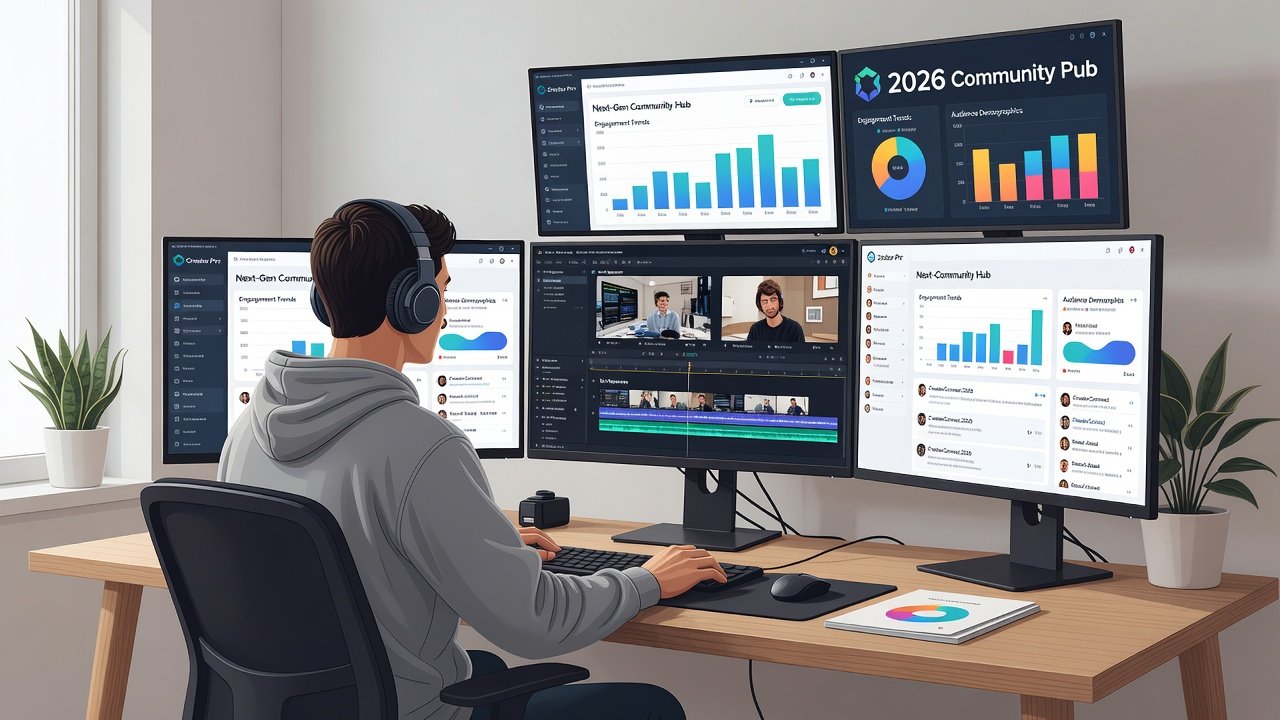
Introduction to the 2026 Creator Economy for Remote Freelancers
The creator economy continues to expand rapidly in 2026, offering remote freelancers new opportunities to blend gig work with personal brand building. High-paying niches such as specialized video editing, community management, and affiliate strategies allow freelancers to diversify income while working from anywhere. This guide explores practical frameworks, audience tactics, monetization options, and real-world examples to help you succeed. Remote freelancers often juggle client deadlines with creative pursuits, and the 2026 landscape rewards those who strategically integrate both. Trends show increased demand for authentic, niche-specific content that resonates with targeted audiences rather than broad appeals. By focusing on transferable skills from freelance work, individuals can create sustainable side ventures that eventually rival or exceed traditional gig income. Understanding platform algorithms, audience psychology, and revenue diversification becomes essential for long-term success in this evolving space.
Emerging High-Paying Niches in 2026
Video editing remains a top niche as demand for short-form and long-form content grows across platforms. Community management helps brands foster engaged audiences on Discord and similar spaces. Affiliate strategies leverage authentic recommendations to drive revenue through partnerships. These areas suit remote freelancers because they require skills transferable from existing gigs and can scale without a full-time commitment. In video editing, freelancers can charge premium rates for specialized styles like cinematic transitions or data visualizations tailored to educational creators. Community management involves real-time moderation, event planning, and sentiment analysis using tools that integrate seamlessly with remote workflows. Affiliate strategies thrive when freelancers leverage domain expertise from client projects to recommend tools or services credibly.
Video Editing for Creators
Freelancers skilled in tools like Adobe Premiere and CapCut can specialize in niche genres such as educational explainers or lifestyle vlogs. This work pairs well with client projects while building a personal channel. For instance, editing tutorials on remote productivity can attract both paid clients and organic viewers interested in similar themes.
Community Management
Managing online groups for brands or creators involves moderating discussions, hosting events, and analyzing engagement metrics. Remote tools make this ideal for location-independent workers. Successful managers often create weekly newsletters summarizing discussions to keep members returning.
Affiliate Strategies
Promoting products through honest reviews and links generates passive income. Success depends on building trust with targeted audiences in specific verticals like tech or wellness. Detailed comparison posts perform particularly well when backed by personal testing from freelance experiences.
Niche Selection Framework
Start by auditing your current freelance skills and interests. Evaluate market demand using free trend tools from major platforms. Assess competition and personal passion to ensure sustainability. Test small content experiments before full commitment. A practical framework includes scoring potential niches on a 1-10 scale across five criteria: skill alignment, audience size, monetization potential, competition level, and personal enjoyment. Review results quarterly to pivot if needed. Incorporate feedback from initial freelance clients to refine your angle before public launch.
Audience-Building Tactics Alongside Freelance Gigs
Consistency is key. Dedicate fixed hours weekly to content creation without neglecting client deadlines. Cross-promote your creator work subtly in freelance networks. Use repurposing techniques to turn gig deliverables into shareable posts. Build email lists early for direct audience control. Engage genuinely in comments and collaborations to grow organically. For example, after completing a video project for a client, create a behind-the-scenes post that highlights lessons learned without revealing confidential details. Schedule social media using batching methods so one focused session covers a full week of posts. Leverage freelance platforms to network with potential audience members who share similar remote work challenges.
Another effective tactic involves guest contributions to established newsletters or forums in your niche. This exposes your work to pre-built audiences while establishing authority. Track growth metrics weekly to adjust tactics based on what resonates most.
Monetization Paths: Patreon, Substack, and Brand Deals
Multiple streams reduce risk. Patreon supports tiered memberships for exclusive content. Substack excels for newsletter-based affiliate and paid subscriptions. Brand deals provide higher one-off payments once audience size reaches critical mass. Compare platforms by fee structures, audience fit, and ease of use for remote setups. Patreon works well for community-focused niches like management, while Substack suits in-depth affiliate reviews. Brand deals often start small with product samples and scale to sponsored series as engagement grows. Diversifying across these prevents over-reliance on any single revenue source.
Step-by-Step Launch Guides
- Define your niche and unique angle based on the framework above.
- Set up profiles on 2-3 key platforms with consistent branding.
- Create a content calendar that fits around freelance hours.
- Launch with 5-10 pieces of foundational content.
- Promote through freelance communities and personal networks.
- Iterate based on early analytics and feedback.
Document each step in a personal journal to refine future launches. Include buffer time in your calendar for unexpected client demands during the initial phase.
Case Studies of Scaled Income
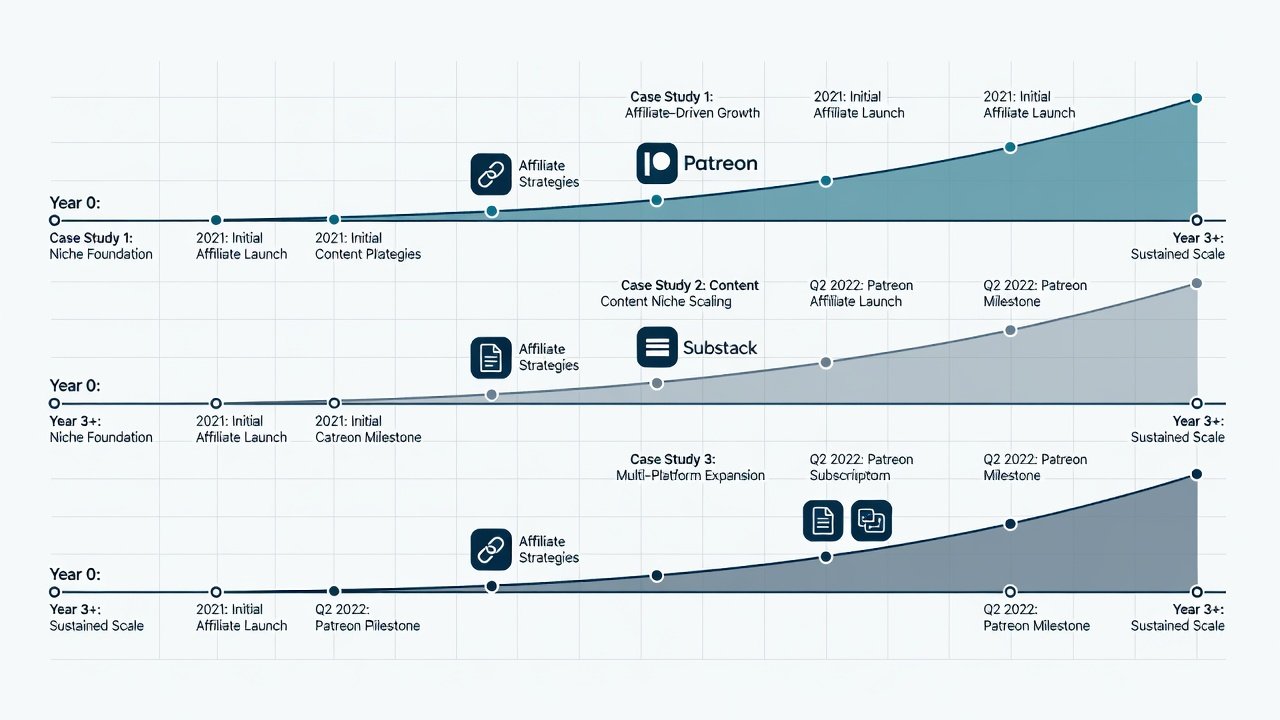
Case Study 1: A video editor transitioned from client-only work to a YouTube channel focused on remote workflow tutorials, reaching six figures through combined editing gigs and sponsorships within 18 months. She started by repurposing client footage into public tips, gradually building an email list that converted viewers into paid members.
Case Study 2: A community manager built a Discord hub for indie creators, monetizing via Patreon while maintaining freelance moderation contracts. Weekly AMAs and resource shares kept engagement high, leading to brand partnerships that supplemented her income.
Case Study 3: An affiliate strategist started a Substack on productivity tools, growing to sustainable income by layering brand deals atop newsletter revenue. Detailed reviews based on freelance tool trials attracted loyal subscribers who valued the unbiased insights.
Case Study 4: A freelancer combined all three niches into a multi-platform presence, using video content to feed community discussions and affiliate links. This integrated approach created a flywheel effect where each element supported the others.
Common Pitfalls and Solutions
Content burnout often strikes solo workers juggling multiple roles. Prevent it by batching creation tasks and setting strict boundaries. Time management improves with tools like time-blocking apps and weekly reviews. Avoid over-reliance on one platform by diversifying early. Additional pitfalls include neglecting legal aspects like disclosure requirements for affiliates and underpricing initial brand deals. Address these by consulting standard guidelines from reputable sources and negotiating rates based on audience value. Another common issue is inconsistent posting during busy freelance periods; solutions involve pre-scheduling and outsourcing minor tasks when possible.
Actionable Checklists
- Weekly: Schedule content, review analytics, and fulfill freelance deliverables.
- Monthly: Audit niche performance and adjust monetization mix.
- Quarterly: Explore new brand partnerships and platform updates.
Print or save these checklists digitally for easy reference during busy weeks. Customize them with personal milestones to track progress over time.
FAQ on Integrating Creator Work with Gig Economy Roles
How do I balance time between gigs and creator content?
Allocate non-negotiable blocks in your calendar and use automation for repetitive tasks. Many successful freelancers treat creator time as a client appointment to protect it from encroachment.
Which monetization path is best for beginners?
Start with affiliate strategies for low barriers, then layer memberships as your audience grows. This approach minimizes upfront costs while building momentum.
Can these niches work fully remotely?
Yes, all tools and platforms support fully remote workflows with cloud-based collaboration. Video editing software, community apps, and affiliate dashboards function seamlessly from any location with reliable internet.
What if my freelance clients discover my creator work?
Frame it positively as complementary expertise that enhances your value. Many clients appreciate the additional visibility and may even refer you to their networks.
Conclusion
By strategically selecting niches like video editing, community management, and affiliate strategies, remote freelancers can build resilient income streams in the 2026 creator economy. Use the frameworks, guides, and checklists here to launch confidently while avoiding common traps. Consistent effort combined with smart diversification positions you for sustainable growth beyond traditional gig work.

No comments yet. Be the first!