 Jobboy

Introduction: Why Niche Newsletters Win Recruiter Attention in 2026
In today's competitive job market, traditional applications often get lost in applicant tracking systems. A well-crafted niche newsletter positions you as an industry expert, directly reaching hiring managers who value specialized insights. This approach extends proven newsletter strategies by focusing on B2B and industry-specific formats that appeal to recruiters seeking passive candidates with proven thought leadership. Recruiters in 2026 increasingly scan for candidates who demonstrate ongoing expertise rather than relying solely on resumes. By choosing a narrow topic tied to your target roles, you create content that demonstrates expertise while optimizing for discoverability through search engines and professional networks. This guide covers every step in depth, from topic selection to tracking metrics that convert to interviews, including practical examples and decision frameworks.
Choosing a Narrow Topic Tied to Target Roles
Start by aligning your newsletter with roles you want. For example, if targeting supply chain management positions, focus on sustainable logistics trends rather than broad business topics. Research job descriptions on LinkedIn to identify recurring keywords like "AI-driven inventory optimization" or "regulatory compliance in pharma." Analyze ten to fifteen postings in your desired field to extract themes such as emerging technologies or compliance challenges. This narrow focus ensures your content resonates with hiring managers in those sectors. Avoid broad themes like general marketing; specificity attracts the right subscribers who are often decision-makers at companies hiring for specialized roles. Consider industries like fintech, healthcare tech, or renewable energy where rapid changes create demand for expert commentary. Test your topic by surveying five colleagues or mentors in the field to confirm interest levels before committing.
Writing Your First 5 Issues with Measurable Outcomes
Plan the initial issues around actionable insights that showcase results. Issue 1 could introduce industry pain points with data-backed analysis, such as current bottlenecks in global supply chains and proposed solutions. Issue 2 might feature case studies of successful projects, including before-and-after metrics from real implementations. Issue 3 can dive into tool reviews with comparisons of software that improves efficiency. Issue 4 explores future forecasts based on recent reports, helping readers anticipate shifts. Issue 5 wraps up with reader Q&A or emerging best practices. Each issue should include measurable outcomes, such as "How one company reduced costs by 15% using X method." This format builds credibility and encourages shares among recruiter networks. Draft each issue in a consistent template: hook, core insight, example, and call to action for feedback. Aim for 800-1200 words per issue to provide depth without overwhelming readers.
Optimizing for Recruiter Discoverability via SEO and LinkedIn Crossposts
Incorporate SEO best practices by using keywords like "2026 supply chain trends" in titles and meta descriptions. Research search volume for phrases relevant to your niche using free tools from major search providers. Publish on platforms that support search indexing and include internal links to past issues. Crosspost summaries to LinkedIn with calls to subscribe, tagging relevant industry groups and using hashtags sparingly for better reach. Share one key takeaway from each issue as a standalone post to drive traffic. This dual strategy increases visibility. Recruiters often search LinkedIn for experts; consistent posting drives traffic back to your newsletter and builds a personal brand that stands out in searches.
Step-by-Step Setup on Substack or Beehiiv
Begin with Substack for its simple interface and built-in discovery features. Sign up with your professional email, choose a niche name that includes target keywords, and set up paid or free tiers based on your goals. Customize your welcome email sequence to introduce your expertise and set expectations for content frequency. Import contacts ethically from your network and design a clean layout with your professional photo and bio. Alternatively, Beehiiv offers advanced analytics suited for growth tracking, including detailed audience segmentation. Both platforms allow easy embedding of signup forms on personal sites or LinkedIn profiles. Test your signup flow on mobile devices to ensure accessibility.
Tracking Engagement Metrics That Convert to Interviews
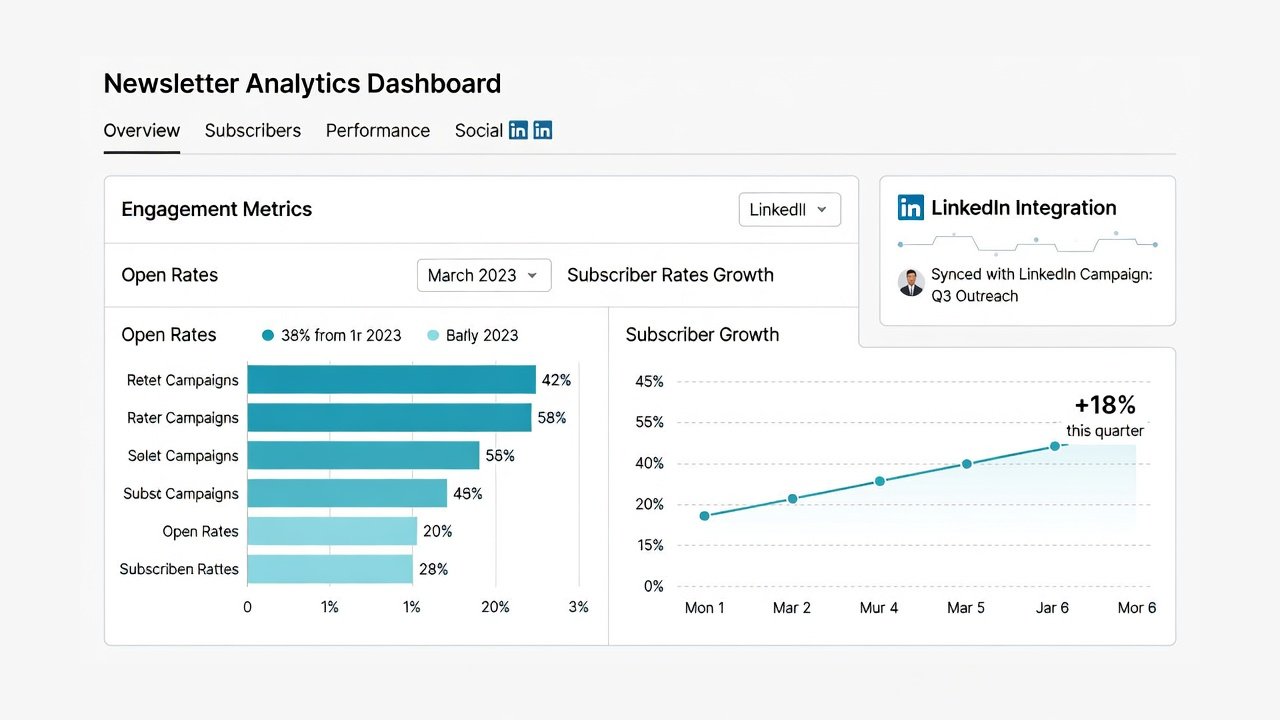
Monitor open rates, click-throughs, subscriber growth, and referral sources weekly. High engagement on specific issues signals strong interest—use this data to refine topics and timing. Aim for metrics that show direct recruiter interactions, such as profile views spiking after issues or direct messages from subscribers. Tools within the platforms provide dashboards for these insights. Track conversions by noting when subscribers mention your content in outreach or interviews. Set benchmarks like 40% open rates for industry newsletters and adjust subject lines based on A/B tests. These insights help convert subscribers into interview opportunities by highlighting your value through demonstrated expertise.
Real Case Examples of Job Offers from Subscribers
One marketing professional launched a newsletter on AI ethics and received direct messages from recruiters at tech firms within three months, leading to two interviews and an eventual offer. Another in fintech focused on regulatory updates and secured a senior role through a subscriber who was a hiring manager impressed by the depth of analysis. A third example involves a logistics expert whose newsletter on sustainable practices attracted interest from three companies, resulting in a consulting gig that transitioned to full-time employment. These examples illustrate how consistent value delivery turns readers into advocates who recommend you internally.
Newsletter vs Traditional Applications: A Comparison
- Reach: Newsletters target engaged audiences directly; applications compete in large anonymous pools with low response rates.
- Authority: Content builds ongoing expertise visible to multiple readers; resumes list static achievements without context.
- Speed: Direct subscriber connections accelerate opportunities through warm intros; traditional methods involve weeks of waiting.
- Scalability: One newsletter serves many recruiters simultaneously without repeated customization; applications require tailoring per role.
- Long-term Benefits: Newsletters create an asset for future opportunities; applications are one-off efforts with no residual value.
FAQ: Compliance, Audience Growth Hacks, and Common Pitfalls
How do I ensure compliance with data laws?
Always use double opt-in and provide easy unsubscribe options. Follow GDPR and CAN-SPAM guidelines for international audiences by including physical addresses where required and honoring all requests promptly.
What are effective audience growth hacks?
Collaborate with complementary newsletters for cross-promotions, leverage LinkedIn polls for topic ideas, and repurpose content into threads for organic reach. Guest posting on industry blogs can also funnel readers to your signup page.
Why do open rates stay low, and how to fix it?
Poor subject lines or infrequent posting cause drops. Test subject lines with questions or numbers, maintain a consistent schedule like bi-weekly, and segment your list based on interests to improve relevance.
How should I handle negative feedback or unsubscribes?
View unsubscribes as normal and analyze patterns without taking personally. Respond professionally to criticism by incorporating useful suggestions into future issues to strengthen your approach.
Conclusion
Launching a niche newsletter transforms your job search into a proactive strategy that attracts 2026 recruiters by showcasing expertise in a targeted way. By following these detailed steps, including topic research, content planning, platform setup, and metric tracking, you position yourself as the go-to expert in your field and open doors to opportunities that traditional methods often miss.

No comments yet. Be the first!