 Jobboy

Introduction to the 2026 Creator Economy Landscape
The creator economy continues to evolve rapidly, offering remote freelancers unprecedented opportunities to build sustainable income streams from anywhere in the world. In 2026, micro-niches are emerging as the smartest path for solo operators seeking lower competition and higher engagement. This comprehensive guide explores actionable strategies for identifying these niches, monetizing through newsletters and digital products, and leveraging platforms like Patreon and Substack. Remote freelancers can thrive by focusing on specialized audiences that value authentic, targeted content over broad appeal. The shift toward micro-niches allows individuals to command premium pricing through deep expertise while maintaining flexibility in their work-from-anywhere lifestyle.
Key Criteria for Selecting Profitable Micro-Niches
Choosing the right micro-niche requires evaluating audience specificity, content repurposing potential, and alignment with your existing skills. Focus on topics with passionate but underserved communities, such as niche hobbies or professional pain points. Validate demand by analyzing search trends and engagement metrics before committing. Consider factors like content longevity, where evergreen topics outperform trending fads, and audience willingness to pay for specialized insights. Assess your ability to consistently produce high-quality material that solves real problems. For instance, a niche like personalized financial planning for gig workers offers recurring interest because economic conditions constantly change, keeping content fresh. Evaluate competition levels by searching for existing creators in the space and noting gaps in coverage, such as lack of region-specific advice or integration with emerging technologies.
Emerging Micro-Niches for 2026
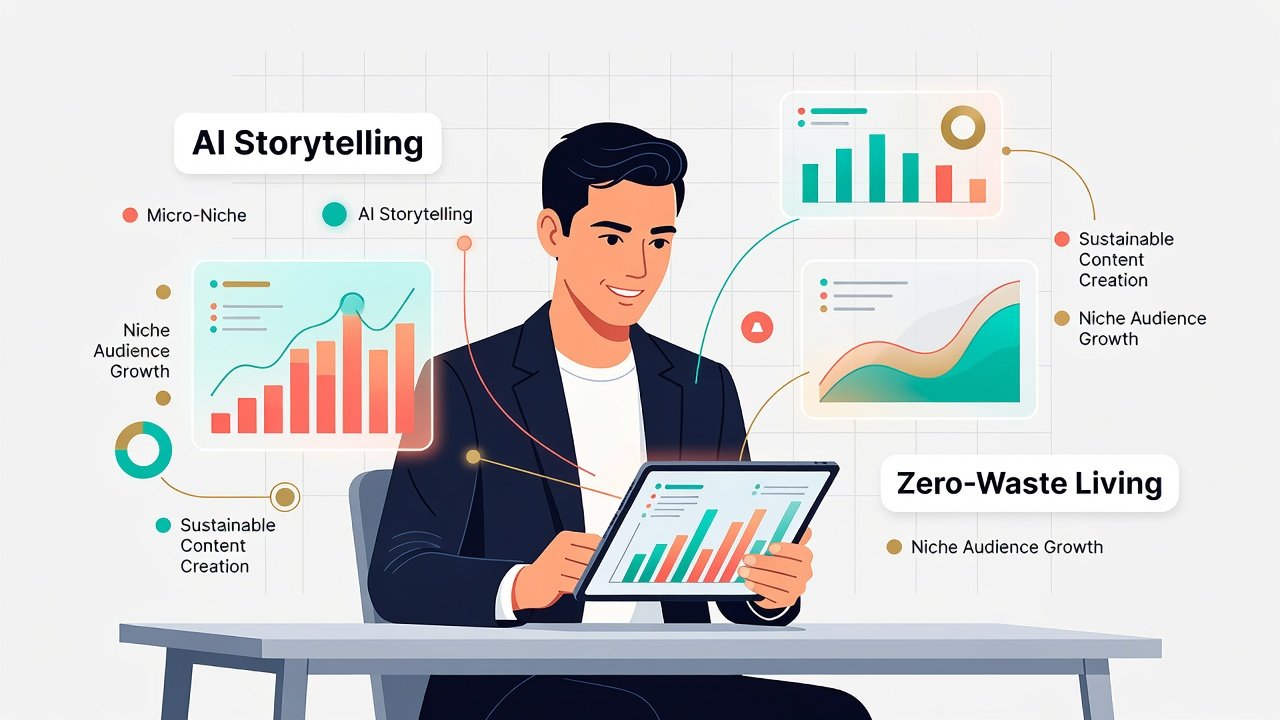
Several micro-niches stand out for remote freelancers this year. Examples include AI-assisted storytelling for indie authors, sustainable zero-waste living for urban professionals, personalized career pivots for mid-life remote workers, and mindful tech usage for parents balancing remote work and family. These areas allow for deep specialization while maintaining broad monetization options. Another rising niche is adaptive fitness routines for remote employees dealing with sedentary lifestyles, where freelancers create tailored video guides and community challenges. Niche selection should prioritize areas where you have personal experience or can quickly build credibility through research and testing.
Monetization Strategies: Newsletters and Digital Products
Newsletters remain a cornerstone for recurring revenue. Platforms like Substack enable direct subscriber relationships and paid tiers. Complement this with digital products such as e-books, templates, and online courses that can be sold repeatedly with minimal ongoing effort. Successful freelancers often bundle newsletter access with exclusive digital downloads, creating multiple revenue layers. For example, a monthly newsletter on AI storytelling might include subscriber-only prompt libraries as a digital product upsell. Focus on value delivery that encourages long-term subscriptions rather than one-time purchases. Pricing strategies should start modest to build an audience before introducing premium tiers.
Platform Strategies: Patreon, Substack, and Beyond
Patreon excels for exclusive community content and tiered memberships, while Substack supports both free and paid newsletters with built-in discovery tools. Integrate both for diversified income. Successful freelancers often cross-promote across platforms to maximize reach. Additional platforms like Discord for community building or Gumroad for product sales can complement these core tools. The key is seamless integration, such as using Patreon to gate advanced newsletter content or Substack to drive traffic to Patreon exclusives. Analyze platform algorithms to optimize posting times and formats for maximum visibility.
Real-World Examples of Successful Remote Freelancers
One freelancer specializing in micro-niche productivity for neurodivergent creators grew a Substack to over 10,000 subscribers by repurposing podcast clips into newsletter threads and offering AI-generated custom planners as digital products. Another used Patreon to offer custom AI prompt packs for solopreneurs, achieving consistent monthly earnings through tiered access that includes live Q&A sessions. A third example involves a remote freelancer in the zero-waste niche who started with free newsletter content on urban composting and scaled to selling downloadable guides and workshop recordings, building a loyal community that supports multiple income streams simultaneously.
Essential Skills: Content Repurposing and AI Tool Integration
Master content repurposing by turning one long-form piece into multiple formats like short videos, infographics, and email sequences. This skill multiplies output without proportional time increases. AI tools such as ChatGPT for drafting and Midjourney for visuals accelerate production while maintaining quality. Integrate these by using AI to generate initial outlines based on audience feedback, then refine with personal insights. Other tools like Descript for audio editing or Notion for organizing repurposed assets streamline workflows. Freelancers who combine these skills can produce daily content across channels while dedicating time to high-value activities like audience engagement and product development.
Step-by-Step Guide to Validating Demand
- Identify 3-5 potential micro-niches based on personal expertise and market observation.
- Conduct keyword research using free tools to gauge search volume and competition intensity.
- Engage in relevant online communities to test topic resonance through polls and discussions.
- Create a minimum viable newsletter or product and measure initial sign-ups over a two-week period.
- Iterate based on feedback, refining topics or formats before full-scale launch and investment.
- Track early metrics like open rates and conversion to paid offerings to confirm viability.
Scaling Income Streams Effectively
Once validated, scale by automating distribution with email tools and expanding product lines. Diversify across 2-3 micro-niches to mitigate risk. Track metrics like subscriber growth and conversion rates monthly to refine approaches. Introduce upsells such as one-on-one consultations or group masterminds once a core audience is established. Automation through Zapier or similar services frees up time for creative work. Many freelancers report doubling income within six months by layering digital products onto newsletter foundations and using platform analytics to identify top-performing content for expansion.
Comparison of Top Micro-Niches by Earning Potential and Entry Barriers
- AI Storytelling for Authors: High earning potential through premium digital products, medium barriers due to required tech familiarity and ongoing AI updates.
- Zero-Waste Urban Living: Medium earnings via sponsored content and guides, low barriers with accessible content creation using everyday examples.
- Mid-Life Career Pivots: High earnings from coaching add-ons, medium barriers involving personal branding expertise and storytelling skills.
- Adaptive Fitness for Remote Workers: Medium to high earnings, low barriers as it leverages common experiences and simple video formats.
- Mindful Tech Usage for Parents: Medium earnings, low to medium barriers requiring empathy-driven content and family-oriented examples.
Frequently Asked Questions
How do I avoid oversaturation in micro-niches?
Monitor competitor activity quarterly and differentiate through unique personal stories or proprietary tools that add exclusive value.
What AI tools are most effective for content creation in 2026?
Combine general LLMs with niche-specific plugins for repurposing, audience analysis, and personalized recommendations.
Can beginners succeed with newsletters in 2026?
Yes, by starting small, focusing on consistency, and using platform analytics to guide growth and content adjustments.
What are common mistakes when entering micro-niches?
Avoid broad topics initially and neglecting audience feedback, which can lead to low engagement and stalled growth.
Conclusion
The 2026 creator economy rewards strategic micro-niche selection and multi-platform monetization for remote freelancers. By applying the criteria, skills, and validation steps outlined, solo creators can build resilient income streams with reduced competition and greater personal fulfillment. Consistent execution and adaptation based on real audience data will determine long-term success in these emerging opportunities.
No comments yet. Be the first!