 Jobboy
Introduction: Building Resilience in the 2026 Creator Economy
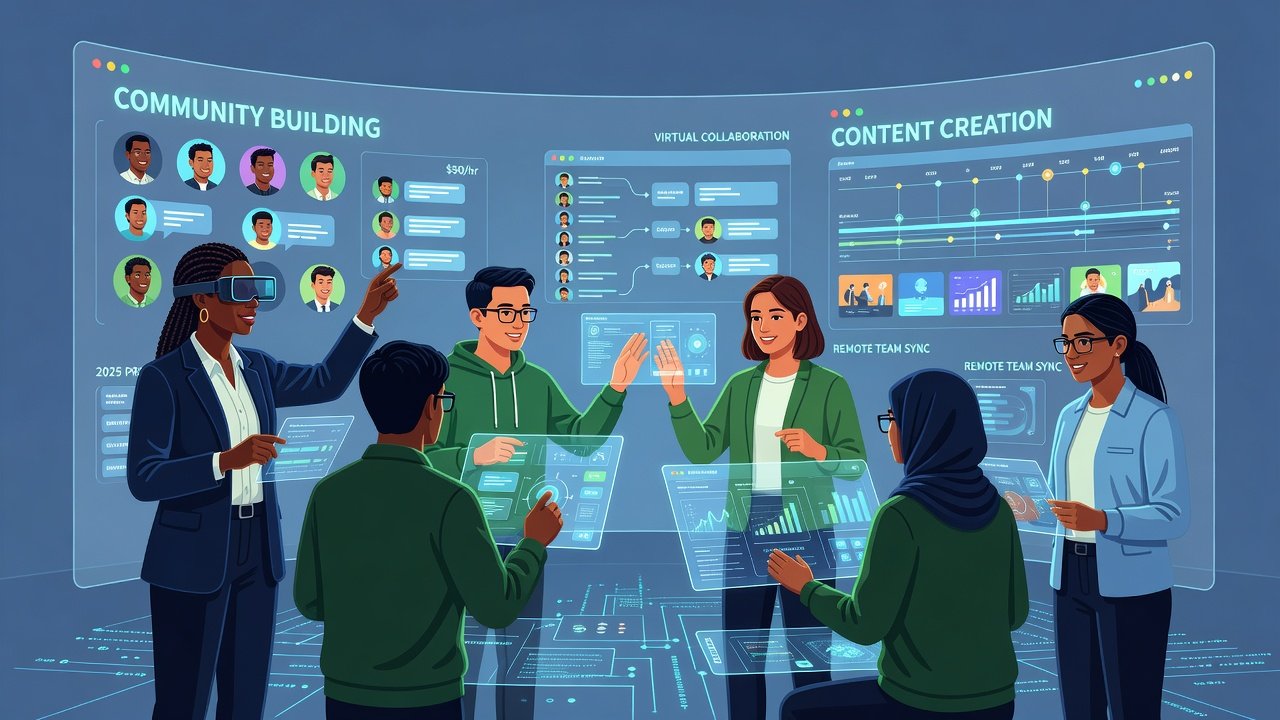
The creator economy continues to evolve rapidly, offering remote freelancers unprecedented opportunities to diversify income beyond traditional client work. In 2026, focusing on specialized niches allows freelancers to create stable revenue while adapting to platform shifts and economic fluctuations. This guide examines high-potential niches, selection criteria, monetization methods, and practical growth tactics that support long-term success in remote setups. Remote freelancers face unique challenges such as inconsistent project flows and geographic isolation, making diversified creator income essential for resilience. By targeting niches with strong community elements or evergreen demand, professionals can build audiences that generate recurring revenue even during market downturns.
Niche Selection Criteria for Long-Term Success
Choosing the right niche requires evaluating market demand, personal expertise, and scalability. Key factors include audience willingness to pay, competition levels, and alignment with emerging trends like sustainability and digital wellness. Remote freelancers should prioritize niches with recurring revenue potential over one-off projects. Begin by assessing your skills against current trends, such as AI ethics or remote team productivity. Consider audience demographics and pain points to ensure the niche supports multiple monetization paths. Evaluate competition by reviewing existing creators in the space and identifying gaps where your unique perspective can shine. Test viability through small experiments like social media polls or pilot content series before committing fully. This methodical approach reduces risk and positions freelancers for sustainable growth in the creator economy.
Top 2026 Creator Economy Niches
Several niches stand out for resilience. Community management helps brands foster engaged groups through moderation, events, and member onboarding, creating reliable retainer income. Niche content creation focuses on specialized topics such as eco-friendly tech or remote work tools, allowing deep audience connections via blogs, videos, and podcasts. Educational content for skill-building appeals to professionals seeking career advancement, often monetized through courses and workshops. Wellness coaching tailored to digital nomads addresses burnout and work-life integration with guided programs and live sessions. Sustainability consulting for creators emphasizes ethical practices and green tools, attracting brands and individuals committed to responsible growth. Each niche offers pathways to multiple income streams while leveraging remote work flexibility.
Comparing Community Management and Niche Content Creation
Community management offers stable retainer income and direct brand partnerships, providing predictability in cash flow. Niche content creation excels in scalability through digital products but faces higher platform dependency risks. Freelancers often find community roles deliver steadier cash flow, whereas content niches enable broader audience reach and passive earnings over time. Community managers benefit from ongoing client relationships that can last years, with tasks including event planning and conflict resolution. In contrast, niche content creators invest heavily upfront in audience building but gain from evergreen assets like e-books and memberships. A hybrid model combining community facilitation with targeted content often yields the best results, allowing diversification across client work and owned platforms. Earnings potential varies by execution, but stability favors community-focused approaches while growth favors content creation.
- Community management: Higher stability via ongoing contracts and direct feedback loops
- Niche content: Greater upside from scalable products and viral potential
- Hybrid approach: Combining both for optimal resilience and diversified revenue
- Key trade-offs: Time allocation between client deliverables and audience nurturing
Monetization via Patreon, Newsletters, and Digital Products
Effective monetization blends multiple streams for resilience. Patreon supports tiered memberships for exclusive content, early access, and community perks that encourage recurring support. Newsletters build loyal subscribers who convert to paid tiers through valuable insights and curated resources. Digital products like templates, guides, and courses provide passive income once created. 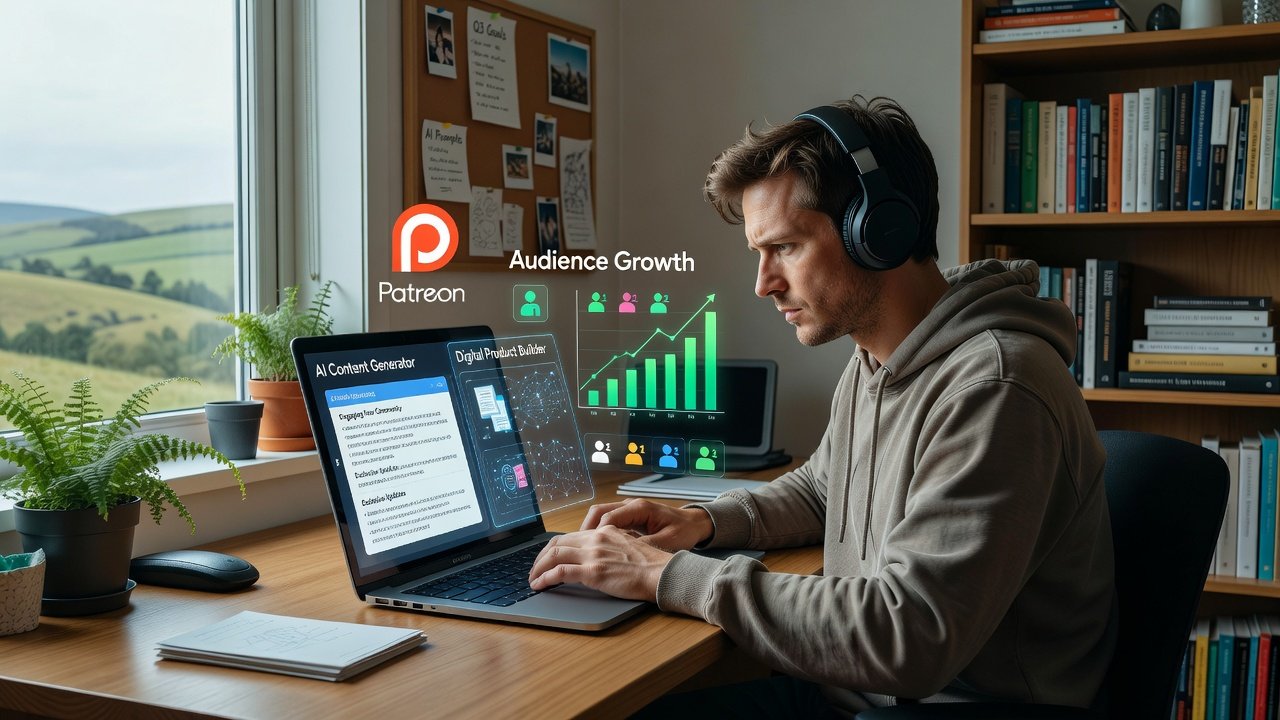
Practical Steps for Audience Growth and AI Tool Integration
Start by consistently publishing value-driven content across owned channels such as personal websites and email lists. Use AI tools for research, editing, and personalization to scale output without burnout, such as generating outlines or analyzing engagement data. Track engagement metrics weekly and experiment with formats that resonate, including short videos, threads, and interactive polls. Integrate AI ethically to enhance creativity rather than replace it by reviewing all outputs for accuracy and voice consistency. Build growth through collaborations with complementary creators and cross-promotions on established platforms. Set specific milestones, like reaching 1,000 engaged subscribers, before launching paid products. This structured process ensures steady progress while maintaining remote work flexibility.
Risk Mitigation Against Platform Changes
Platform algorithm updates and policy shifts pose real threats to creator income. Diversify distribution by owning email lists and websites to maintain direct audience access. Monitor industry news from reliable sources and maintain backup monetization channels such as multiple membership platforms. Building direct audience relationships remains the strongest defense against sudden rule changes. Prepare contingency plans by regularly exporting audience data and testing alternative platforms. Educate yourself on legal protections through resources like FTC guidelines on endorsements and disclosures. This proactive stance minimizes disruptions and preserves income stability over time.
Case Studies of Successful Diversification
One remote freelancer transitioned from gig work to a hybrid model combining community management with niche newsletters, achieving greater income stability by securing three long-term brand contracts while growing a paid subscriber base. Another leveraged AI-assisted content to launch digital products in the sustainability niche, reducing client dependency while expanding into wellness coaching for nomads. A third example involves a content creator who started with educational resources on remote tools, then added Patreon tiers for live Q&A sessions, resulting in balanced revenue from products, memberships, and occasional consulting. These cases highlight the importance of starting small, testing multiple streams, and iterating based on audience feedback.
FAQs on Starting Small and Scaling
How do I begin without a large following?
Start with one niche and free content to test interest before launching paid offerings, focusing on consistent posting and engagement in relevant online communities.
Can I maintain work-life balance in remote setups?
Yes, by setting clear boundaries, automating routine tasks with AI tools, and scheduling dedicated time for both creation and rest to prevent burnout.
What if a platform changes its rules?
Focus on owned assets like websites and email lists to retain control, and always maintain at least two active monetization channels as backups.
How long does it take to see results from niche selection?
Most freelancers report initial traction within three to six months of consistent effort, with full diversification benefits emerging after one year of refinement.
Should I use AI tools for all content creation?
No, reserve AI for supportive tasks like research while ensuring your unique voice and expertise remain central to maintain audience trust.
Conclusion
Embracing 2026 creator economy niches equips remote freelancers with resilient, multi-stream income models. By applying the strategies outlined, professionals can navigate uncertainty while achieving sustainable growth and improved work-life balance in remote environments.

Comments (1)