 Jobboy

Introduction to the 2026 Creator Economy
The creator economy in 2026 presents remote freelancers with expanding opportunities that extend far beyond one-off gigs. Professionals are increasingly building sustainable income streams through specialized content creation, engaged community development, and well-negotiated sponsorship arrangements. This shift allows individuals to work from anywhere while focusing on high-value niches where audiences are willing to pay for expertise and connection. Remote freelancers with skills in writing, video editing, audience analytics, and digital moderation are particularly well positioned to capitalize on these trends. Understanding the landscape requires examining not only which topics are gaining traction but also how successful creators structure their operations for long-term viability.
Emerging High-Demand Niches for Remote Freelancers
Several niches stand out in 2026 due to rising audience demand and limited mainstream coverage. Sustainable living practices tailored to urban professionals, ethical applications of artificial intelligence in daily workflows, mental wellness strategies for remote workers, and customized lifelong learning paths represent areas with strong monetization potential. For instance, creators focusing on AI ethics often attract corporate sponsors seeking thought leadership, while those building communities around remote-work mental health see high engagement through subscription models. These niches succeed because they address specific pain points with authentic, ongoing value that generic content cannot match. Remote freelancers can enter by leveraging existing expertise and gradually refining their positioning based on audience feedback.
Practical Steps for Identifying Profitable Niches
- Begin by reviewing search data and social conversations to pinpoint recurring questions or frustrations within target demographics. Tools such as Google Trends provide free insights into rising topics without requiring advanced technical knowledge.
- Launch small-scale content tests on platforms where your potential audience already gathers, tracking metrics like comments, shares, and time spent to gauge genuine interest.
- Study how established creators in similar spaces generate revenue, noting which offerings resonate most strongly and where gaps remain for new entrants.
- Validate findings through direct outreach such as polls or private beta groups before investing significant time in full-scale production.
Following these steps reduces risk and helps freelancers align their efforts with areas that offer both personal fulfillment and financial reward.
Platform Comparisons: Substack, Patreon, and Emerging Tools
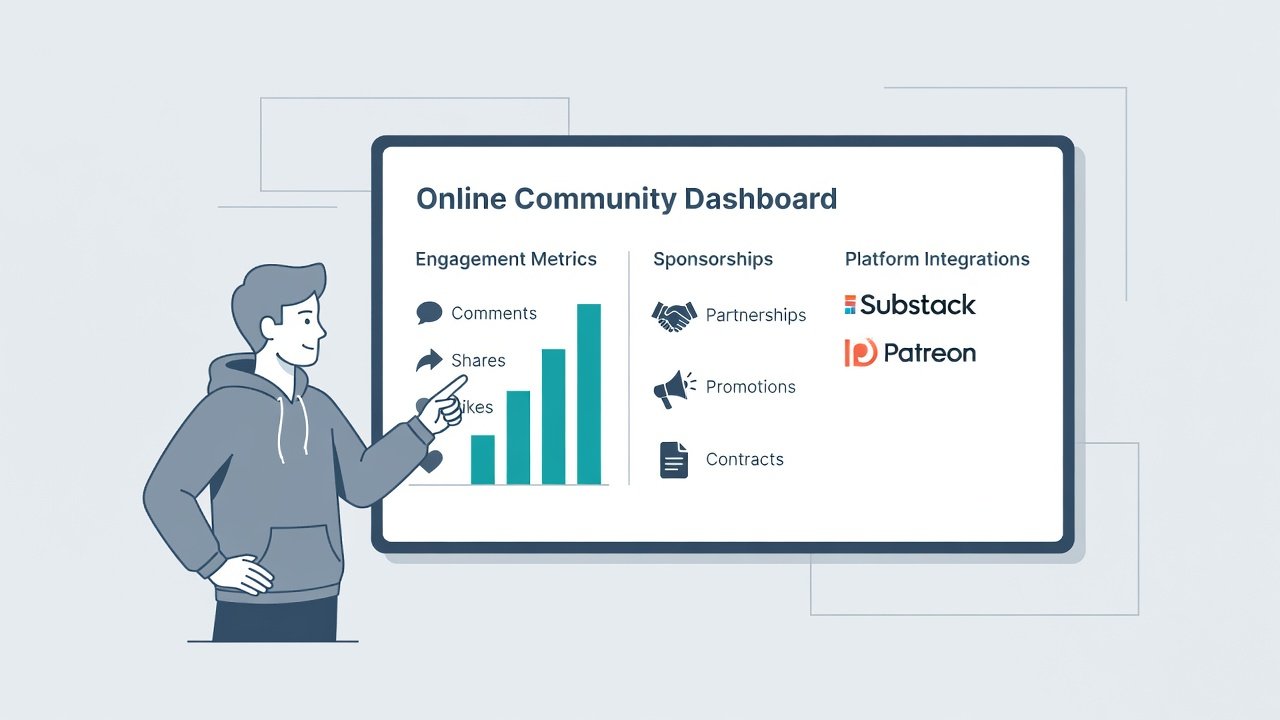
Selecting an appropriate platform influences discoverability, revenue retention, and audience ownership. Substack provides an excellent environment for writers who prioritize newsletter delivery and straightforward subscription management, with built-in payment processing that simplifies direct fan support. Patreon offers flexible membership tiers suited to creators who want to deliver exclusive audio, video, or live sessions while fostering deeper community interaction. Newer options such as Ghost and Beehiiv deliver advanced customization, detailed analytics, and improved SEO capabilities for those ready to scale beyond basic functionality. Each platform carries distinct trade-offs regarding fees, audience migration ease, and integration with external tools, so creators should evaluate options against their primary content format and growth timeline.
Real-World Case Studies of Successful Transitions
Consider the journey of a former corporate trainer who pivoted to a niche newsletter exploring ethical AI use in education. By consistently publishing in-depth analyses and hosting monthly virtual discussions, this creator attracted a dedicated subscriber base and secured sponsorships from edtech companies. Another example involves a social media strategist who shifted focus to building an online community centered on remote-work burnout prevention. Through tiered memberships and targeted brand partnerships, the creator diversified income while maintaining full remote flexibility. Both cases underscore the value of starting with a narrow focus, iterating content based on direct audience input, and gradually layering additional revenue streams such as digital products or live events.
Audience Growth Tactics and Pricing Models
Growing an audience requires disciplined execution of multiple tactics. Cross-promotions with complementary creators, search-optimized evergreen content, and regular interactive sessions such as live Q&As help maintain momentum. Email list building remains essential because it grants direct access independent of any single platform algorithm. For pricing, successful freelancers adopt value-based approaches that reflect engagement levels and perceived expertise rather than arbitrary figures. Entry-level access is kept accessible to encourage initial sign-ups, while premium tiers unlock deeper resources or personal interactions. Testing different price points through limited offers allows creators to refine models without alienating early supporters. Documentation of results, such as increased retention after adding new benefits, informs future adjustments.
Common Pitfalls to Avoid
- Relying too heavily on one platform exposes creators to sudden policy changes or algorithm shifts that can disrupt income overnight.
- Failing to disclose sponsored content clearly can damage trust and invite regulatory scrutiny.
- Overlooking audience feedback during the early stages often leads to content that fails to resonate and stalls growth.
- Underestimating the ongoing demands of community moderation results in burnout and diminished quality over time.
- Neglecting to build an owned email list leaves creators vulnerable when platform relationships change.
FAQ: Legal Considerations and Scaling Strategies
What legal steps should freelancers take when monetizing content?
Registering a business entity, understanding applicable tax responsibilities, and complying with endorsement disclosure rules are foundational. The Federal Trade Commission provides clear guidance on transparency in sponsored material. Consulting resources from the Small Business Administration can further assist with proper setup and compliance.
How can creators scale for long-term remote success?
Automation of repetitive tasks, gradual delegation of support roles, and revenue diversification across multiple platforms and products form the core of scalable operations. Regular analysis of performance data helps refine offerings and sustain audience relationships.
Are there risks in community building?
Moderation demands, potential platform policy shifts, and audience management challenges represent ongoing considerations. Maintaining a direct email list mitigates some risks by preserving ownership of the audience relationship.
What tax considerations apply to international remote creators?
Creators operating across borders should review local regulations and consider consulting professionals to handle multi-jurisdictional requirements accurately.
Conclusion
The 2026 creator economy rewards remote freelancers who combine niche expertise with strategic platform choices and consistent audience engagement. By following structured identification processes, learning from successful transitions, and proactively addressing legal and operational challenges, individuals can build resilient, location-independent careers that deliver both financial returns and personal satisfaction.

No comments yet. Be the first!