 Jobboy

Introduction: Why Economic Resilience Matters for Freelancers in 2026
Remote freelancers face unique challenges in volatile markets, from fluctuating client demand to rising living costs. Building economic resilience ensures stability and growth. This playbook provides in-depth tactics tailored to gig economy realities, helping beginners scale to sustainable careers while experienced professionals fortify their positions. Economic shifts in 2026 emphasize adaptability, with factors like global supply chain disruptions and evolving remote work regulations creating both opportunities and risks. By focusing on buffers and diversification, freelancers can weather downturns effectively and position themselves for long-term success rather than merely surviving month to month.
Many freelancers enter the field without formal financial training, making proactive planning essential. This guide goes beyond surface-level advice by offering concrete frameworks, decision-making tools, and examples drawn from real scenarios. Whether you are just starting or looking to strengthen an established practice, the strategies here address income volatility head-on while incorporating modern tools and creator economy trends.
Income Diversification Methods for Stability
Relying on a single client or platform creates significant risk. Diversify across multiple streams to reduce volatility and create multiple safety nets. Start by assessing current revenue sources and identifying gaps in your portfolio. Consider categorizing income into active services, passive products, and recurring retainers to balance effort and reward.
- Offer services on 3-5 freelance platforms simultaneously while maintaining direct client relationships to avoid platform dependency.
- Develop retainer agreements with 2-3 long-term clients for predictable monthly revenue that covers baseline expenses.
- Explore recurring revenue through digital products like templates, e-books, or membership communities built with no-code creator tools.
- Experiment with affiliate marketing or sponsored content if your niche aligns with audience trust and engagement metrics.
Real-world examples show freelancers who added consulting alongside core writing or design gigs maintained stable income during sudden client losses. Compare options by evaluating time investment versus potential returns, and track performance monthly using simple metrics like revenue per hour. This layered approach prevents over-reliance on any one source and builds a more resilient business model over time.
Building an Emergency Fund: Step-by-Step Guide
An emergency fund acts as your primary buffer against unexpected gaps in work or personal crises. Aim for 6-12 months of essential expenses saved in a high-yield account that remains easily accessible yet separate from daily spending.
- Calculate monthly baseline costs including rent, utilities, internet, software subscriptions, and minimum debt payments.
- Set automated transfers of 10-20% from each client payment received directly into the dedicated savings account.
- Review and adjust the fund quarterly based on income trends and any changes in living or business expenses.
- Consider tiered savings: a liquid emergency portion alongside slightly longer-term reserves for opportunities or larger investments.
Freelancers who followed this approach reported greater peace of mind during slow periods and avoided high-interest debt. Track progress with simple spreadsheets or dedicated budgeting tools, and celebrate milestones to maintain motivation. Over time, this habit transforms financial anxiety into strategic confidence.
Risk Assessment Frameworks for Gig Economy Volatility
Evaluate risks systematically to prioritize actions and allocate resources wisely. Use a simple matrix: rate each potential threat by likelihood and impact on a scale of one to five, then focus mitigation efforts on high-likelihood, high-impact items first.
Key risks include platform policy changes, currency fluctuations for international clients, skill obsolescence due to AI advancements, and sudden shifts in client industries. Mitigate by maintaining diverse skill sets, monitoring industry reports from sources like the Bureau of Labor Statistics, and building relationships across multiple sectors. Annual reviews help adapt frameworks to new conditions, while quarterly check-ins allow faster responses to emerging threats.
Side Income Streams from Creator Tools
Leverage accessible creator platforms to generate supplemental revenue with relatively low barriers. Tools like no-code builders enable quick launches of newsletters, podcasts, or affiliate sites without heavy upfront costs or technical expertise. Many freelancers begin by repurposing existing knowledge into paid digital assets that generate income while they sleep.
Examples include turning niche expertise into paid communities on platforms such as Patreon or Substack, creating and selling stock assets on marketplaces, or offering specialized online courses. Start small with one project and scale based on engagement metrics and audience feedback. This approach not only diversifies income but also strengthens personal branding and attracts higher-paying clients over time.
Cost-Cutting Comparisons for Digital Nomads
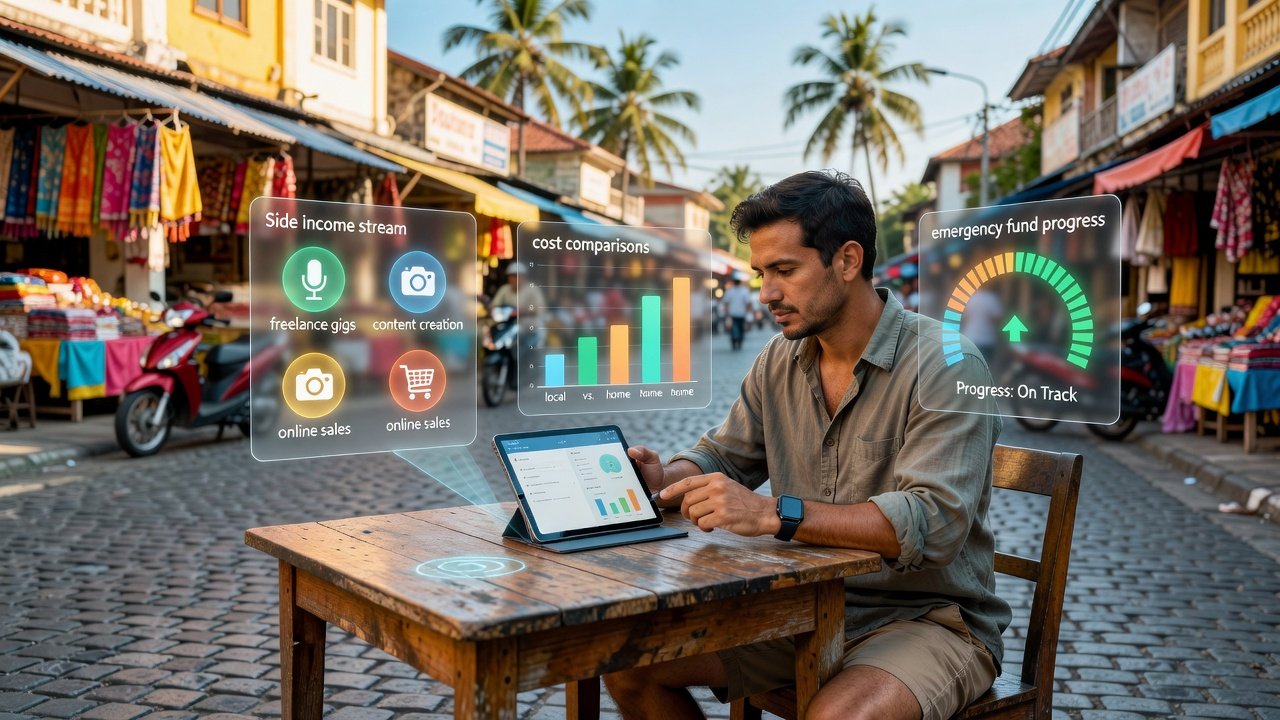
Digital nomads benefit from strategic location choices and regular expense audits. Compare co-living spaces versus traditional rentals, or local SIM cards against global eSIM plans for meaningful savings without sacrificing connectivity. Evaluate visa programs in various countries that offer tax advantages or extended stays for remote workers.
Focus on high-impact areas: housing, transportation, and tools. Track expenses for three months to identify patterns and opportunities for reduction while maintaining productivity and quality of life. For instance, choosing secondary cities over major hubs often yields 30-50% lower living costs. Regular audits prevent lifestyle creep and free up capital for emergency funds or skill development investments.
Real-World Case Studies of Freelancers Who Thrived
Case 1: A graphic designer diversified into online courses and template packs during a 2025 market dip. By expanding onto two additional platforms and launching a monthly membership, she doubled her income by 2026 while reducing client workload by 40%.
Case 2: A virtual assistant built an emergency fund covering nine months of expenses and used the buffer period to specialize in AI-assisted productivity tools. This allowed selective project choices that improved work quality, raised average rates, and created speaking opportunities.
These stories highlight proactive planning over reactive measures and demonstrate how diversification and buffers compound advantages during downturns.
Actionable Checklists and Recommended Budgeting Apps
Weekly Resilience Checklist:
- Review all income sources and log new leads or outreach activities.
- Update emergency fund balance and note any transfers completed.
- Assess one risk area and outline a specific mitigation step.
- Review upcoming client deliverables and payment timelines.
Monthly Checklist:
- Audit subscriptions and cancel or downgrade unused tools and services.
- Explore one new side income opportunity or skill-building resource.
- Rebalance client portfolio if any single source exceeds 30% of revenue.
- Update financial projections and adjust savings targets accordingly.
Helpful apps include Mint for overall tracking, YNAB for zero-based budgeting that aligns spending with priorities, and QuickBooks Self-Employed for tax estimates and invoice management. Integrate these into daily workflows for consistency. For tax guidance and compliance resources, consult official sources such as the IRS website and the U.S. Small Business Administration.
Tax Planning and Legal Considerations for Long-Term Stability
Beyond basic budgeting, freelancers must address quarterly estimated taxes and business structure choices. Setting aside 25-30% of income for taxes prevents year-end surprises. Consider forming an LLC for liability protection and potential deductions on equipment, home office, and professional development. Consult a tax professional annually to optimize strategies while staying compliant with evolving regulations.
Mistakes to Avoid When Building Resilience
Common pitfalls include underestimating expenses, neglecting skill updates, and failing to document client agreements. Avoid lifestyle inflation during high-earning periods and do not treat emergency funds as investment vehicles. Regularly revisit contracts and diversify marketing channels to prevent over-dependence on any single lead source.
FAQ: Addressing Common Concerns
How does inflation impact freelancers in 2026?
Inflation raises operational costs like software subscriptions, travel, and supplies. Counter this by negotiating rate increases annually, focusing on high-value clients, and regularly auditing recurring expenses for better alternatives.
What if I lose my main client suddenly?
Immediate steps include activating your emergency fund for essentials, reaching out to your existing network with targeted pitches, and accelerating diversification efforts already in place. Document lessons from the loss to strengthen future client relationships.
Are there government resources for freelancers?
Yes, explore support programs via the U.S. Small Business Administration for guidance on financial planning, loans, and resilience strategies tailored to self-employed individuals.
How often should I reassess my risk framework?
Conduct reviews quarterly or after major economic events to stay aligned with shifting conditions and emerging opportunities.
Conclusion: Taking Action Toward Resilient Freelance Careers
Economic resilience combines diversification, buffers, ongoing assessment, and disciplined execution. Implement these strategies gradually, starting with one or two high-impact actions this month. Remote freelancers who prepare now position themselves for success amid 2026 uncertainties and build careers that thrive rather than merely survive economic cycles.

No comments yet. Be the first!