 Jobboy

Introduction: Why Podcast Guesting Matters for Job Seekers in 2026
In today's competitive job market, traditional applications often get lost in the shuffle. Podcast guesting offers a powerful alternative by positioning you as an industry expert, building visibility, and creating authentic connections with recruiters and hiring managers. This approach leverages audio content's growing popularity to showcase transferable skills and thought leadership without the pressure of a formal interview. By the end of 2025, podcast listenership had surged, making 2026 an ideal year to capitalize on this trend. Strategic appearances can lead directly to job offers when executed with a value-first mindset. Many professionals overlook this channel because it requires proactive outreach, yet those who invest time see higher response rates from targeted audiences compared to generic job boards.
Selecting the Right Topics Tied to Your Industry Expertise
Choose podcast topics that align closely with your professional background while highlighting skills relevant to target roles. For example, a marketing professional might discuss content strategy trends or data-driven campaigns. Focus on niches where your experience shines, such as emerging technologies or remote team management. Research popular shows in your field using directories like Apple Podcasts to identify episodes that match your expertise. This ensures your appearance resonates with listeners who are often decision-makers. Consider your career goals: if aiming for leadership positions, select topics around team building or innovation rather than entry-level tactics. Cross-reference job descriptions from your target companies to identify recurring keywords and themes.
Crafting Effective Pitching Templates
A strong pitch emphasizes value over self-promotion. Start with a personalized subject line, introduce your background briefly, and explain why you're a fit for their audience. Highlight transferable skills like leadership or problem-solving with concrete examples. Sample template structure includes a greeting, a hook based on a recent episode, your expertise tie-in, proposed topic ideas, and a call to action. Keep it concise, under 200 words, and always follow up once if no response. Customize each pitch by referencing a specific past episode to demonstrate genuine interest. Include one or two bullet points on unique angles you can bring, such as case studies from your experience that the audience would find actionable.
Step-by-Step Outreach to Niche Podcast Shows
1. Identify 10-15 target shows using keywords related to your industry and review their recent episodes for relevance.
2. Listen to 2-3 episodes to understand the host's style, tone, and audience questions.
3. Find contact info via show websites or LinkedIn profiles, noting any submission forms.
4. Send tailored pitches and track responses in a spreadsheet with dates and follow-up reminders.
5. Offer flexible scheduling and prepare talking points in advance while confirming technical requirements like recording platforms.
6. Thank hosts promptly after acceptance and share promotional assets they request.
This methodical process increases acceptance rates significantly when combined with persistence and organization.
Preparing for the Podcast Appearance
Once booked, dedicate time to preparation. Review the show's format and prepare three to five key stories that illustrate your expertise. Practice answering common questions while avoiding jargon that might alienate listeners. Test your audio setup in advance, including microphone quality and background noise reduction. Create a one-page cheat sheet with bullet points, statistics, and questions to ask the host. This preparation ensures you deliver value consistently throughout the conversation.
Repurposing Podcast Episodes into LinkedIn Content and Portfolio Assets
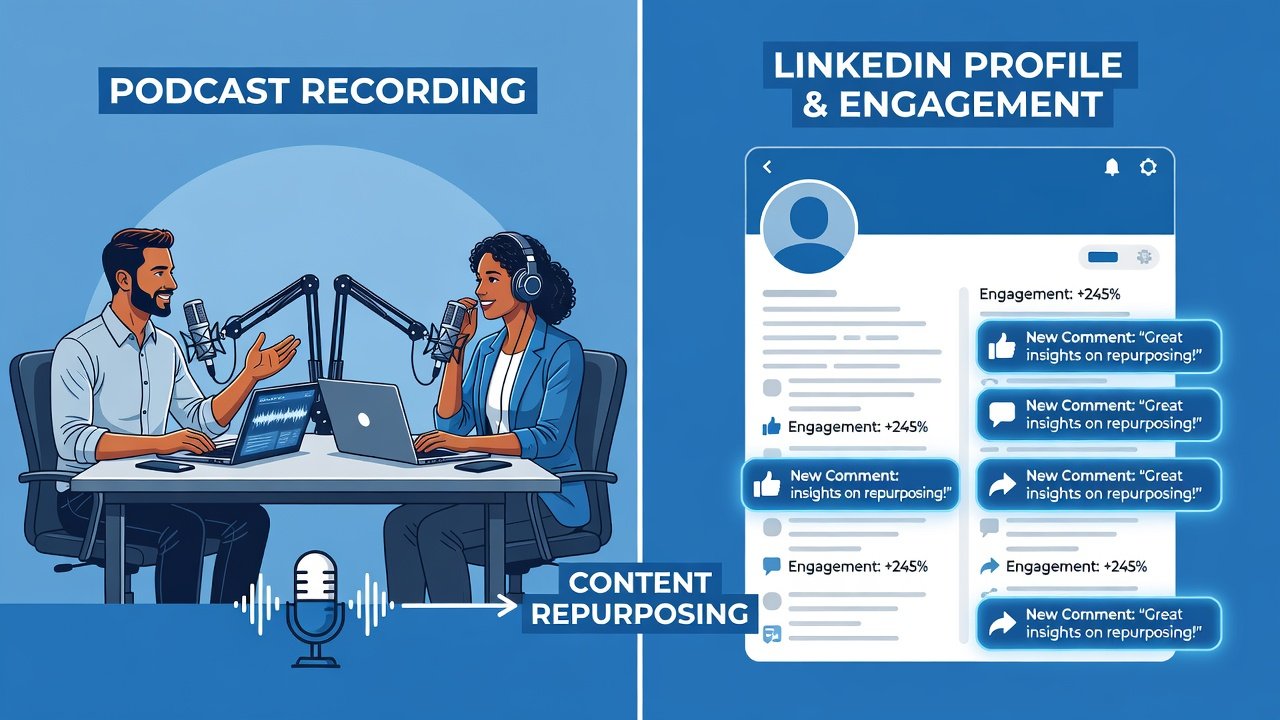
After recording, transform the episode into multiple assets. Clip key moments for LinkedIn posts, create quote graphics, or write a blog summary linking back to the audio. Add the episode to your portfolio with timestamps highlighting your contributions. Share short video snippets on professional networks to drive traffic back to the full episode. Update your LinkedIn featured section with the audio link and a summary of insights shared. This extends reach and reinforces your expertise to passive recruiters scanning profiles. Consider creating a dedicated media page on your personal site that lists all appearances with embedded players.
Quantifying Impact from Podcast Appearances
Track metrics such as listener downloads, social shares, and direct inquiries received. Compare pre- and post-appearance application response rates to measure effectiveness. Tools like Google Analytics or LinkedIn insights help attribute traffic and connections. Maintain a simple dashboard noting episode air dates alongside any resulting profile views or messages. Over multiple appearances, patterns emerge showing which topics generate the most recruiter interest.
Real Examples of Listeners Landing Interviews
One software engineer guesting on a tech leadership podcast received three recruiter messages within a week, leading to interviews at mid-sized firms. Another HR specialist shared transferable skills on career development shows and secured a role through a listener referral after discussing remote onboarding strategies. A project manager appeared on two niche operations podcasts and reported a 40 percent increase in inbound recruiter contacts within a month, ultimately accepting an offer from a listener's company.
Follow-Up Tactics Like DM Sequences
After the episode airs, send personalized thank-you notes to hosts and engage with listeners via LinkedIn DMs. A sequence might include an immediate thanks message, a share of the episode link one week later, and a value-add message two weeks after. Connect with engaged commenters by replying thoughtfully to their feedback. This nurtures relationships without seeming pushy and often leads to informal coffee chats or informational interviews that convert into opportunities.
Measuring ROI Through Application Response Rates
Calculate ROI by noting increases in interview invites or profile views post-appearance. Aim to correlate specific episodes with job leads for refined future strategies. Review your application tracking spreadsheet monthly to identify spikes tied to podcast timing. This data-driven approach helps prioritize future guesting efforts on shows that deliver the strongest results.
Common Pitfalls: Over-Promoting vs. Value-First Delivery
Avoid hard selling your job search during episodes; focus on delivering insights. Over-promotion can alienate audiences and damage credibility. Instead, let your expertise naturally attract opportunities. Always prepare thoroughly to maintain credibility and avoid rambling answers that dilute your message. Another pitfall is neglecting follow-up, which leaves potential connections dormant. Finally, choosing shows outside your expertise can lead to awkward segments that fail to showcase your strengths.
Frequently Asked Questions
How many podcasts should I pitch per week?
Start with five to seven targeted pitches weekly to maintain quality while building momentum. Adjust based on response rates.
Do I need a media kit?
Yes, a simple one-page PDF with your bio, headshot, past appearances, and topic ideas streamlines the pitching process and positions you professionally.
Can beginners succeed without prior speaking experience?
Absolutely. Many successful guests start with smaller niche shows to build confidence before targeting larger audiences.
What if the host asks about my job search directly?
Redirect gracefully to your expertise and mention you are exploring new opportunities aligned with the discussed topics.
Conclusion
Podcast guesting transforms passive job seeking into proactive networking. By selecting aligned topics, pitching effectively, and repurposing content strategically, you can turn 2026 appearances into tangible job offers. Start small, track results, and refine your approach for maximum impact. Consistent effort in this area compounds over time, creating a personal brand that stands out to hiring professionals.

No comments yet. Be the first!