 Jobboy
Introduction: Why Newsletters Are a Game-Changer for Job Seekers in 2026
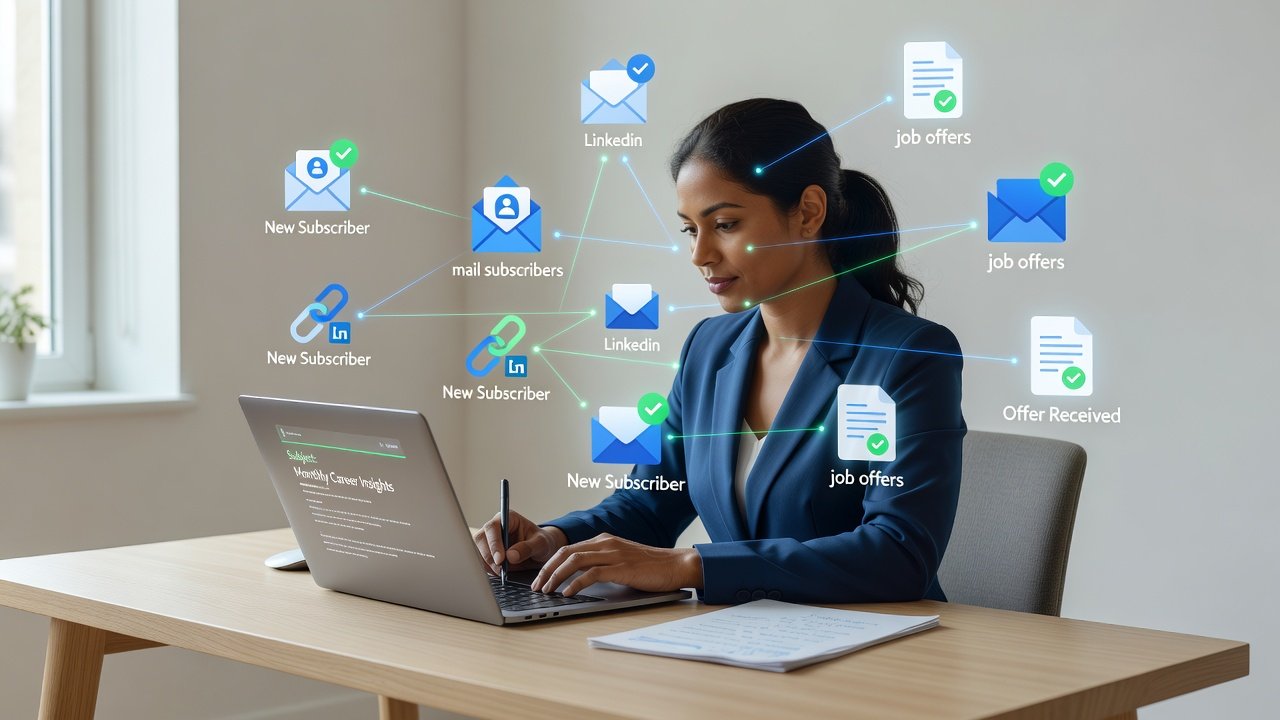
In a competitive job market, traditional job boards often lead to generic applications that get lost in the shuffle. Instead, forward-thinking professionals are turning to niche newsletter publishing as a strategic job search and job hunting tactic. By consistently sharing valuable insights tied to your target role, you position yourself as an expert and directly connect with hiring managers and recruiters who read your content. This method stands out in 2026 because it leverages personal branding in an era where AI screening tools filter out most resumes before human eyes ever see them.
Newsletters allow you to demonstrate thought leadership over weeks or months, creating a relationship that feels authentic. Recruiters scanning for candidates in specialized fields discover your newsletter through SEO keywords like job search and job hunting, leading to inbound opportunities rather than cold applications. Many job seekers report receiving direct messages from hiring teams after just a few issues, proving that consistent value delivery converts readers into advocates.
Choosing a Focused Topic Tied to Your Target Roles
Start by aligning your newsletter theme with the exact skills and industries where you want to work. For example, if targeting product management roles, focus on emerging trends in AI-driven product development rather than broad career advice. This specificity attracts the right audience of decision-makers who are actively looking for talent in those exact areas.
Research your target companies and roles to identify pain points. A newsletter on sustainable supply chain strategies could appeal to logistics firms actively hiring in 2026. Keep the scope narrow to foster a loyal subscriber base that grows through organic shares. Conduct keyword research using free tools to ensure your topics overlap with common search queries in your field. Consider surveying your network for topic ideas or reviewing job descriptions from companies you admire to pinpoint recurring themes like data ethics or remote team leadership.
Establishing a Consistent Publishing Schedule
Consistency builds momentum and audience expectations. Aim for a weekly or bi-weekly cadence to maintain engagement without burnout. Many successful job seekers publish every Tuesday morning, allowing time for repurposing content later in the week. Create a content calendar that maps out themes for the next three months, incorporating seasonal industry events or major reports.
Use tools to batch-create issues in advance. This schedule signals professionalism to readers, including potential employers who notice your reliability through the quality and frequency of your output. Set aside dedicated time blocks each month for research, writing, and editing to avoid last-minute rushes that could compromise quality.
Repurposing Content for LinkedIn and Podcasts
Maximize reach by adapting newsletter content across platforms. Turn a deep-dive article on industry regulations into a LinkedIn carousel post or a short podcast episode. This cross-promotion drives traffic back to your email list while showcasing your expertise in multiple formats. Break longer newsletter sections into bite-sized LinkedIn threads that end with a call-to-action to subscribe.
For instance, a newsletter section on leadership frameworks can become a 10-minute podcast discussion, expanding your visibility and attracting listeners who may later subscribe or refer you for roles. Record short audio versions of key insights and share them on professional platforms to reach audiences who prefer listening during commutes. Track which repurposed pieces drive the most sign-ups to refine your strategy over time.
Building Your Email List Through Cold Outreach and Cross-Promotion
Growing subscribers starts with targeted outreach. Identify 50-100 professionals in your niche via LinkedIn and send personalized messages offering value, such as early access to your first issue. Cross-promote by guest posting on established newsletters or collaborating with complementary creators in adjacent fields. Reach out to alumni networks or industry associations for shoutouts that introduce your newsletter to new readers.
Offer a lead magnet like a free industry report to incentivize sign-ups. Track growth weekly to refine your acquisition methods, focusing on quality over quantity for higher engagement rates. Follow up politely after two weeks if initial messages go unanswered, and always personalize every outreach to increase response rates significantly.
Real Examples of Job Offers from Newsletter Readers
One data analyst landed a senior role at a fintech startup after a recruiter subscribed to his weekly newsletter on data visualization trends. The consistent insights led to a direct interview invitation, bypassing job boards entirely. The recruiter later shared that the newsletter demonstrated practical skills that no resume could convey as effectively.
Another example involves a marketing specialist whose newsletter on content strategy caught the eye of a hiring manager at an e-commerce company. After three months of publishing, she received an offer for a leadership position based solely on the demonstrated expertise in her emails. A third case features a software engineer who attracted multiple offers after readers of his newsletter on cloud architecture forwarded issues to their internal talent teams.
Metrics to Track for Engagement and Discoverability
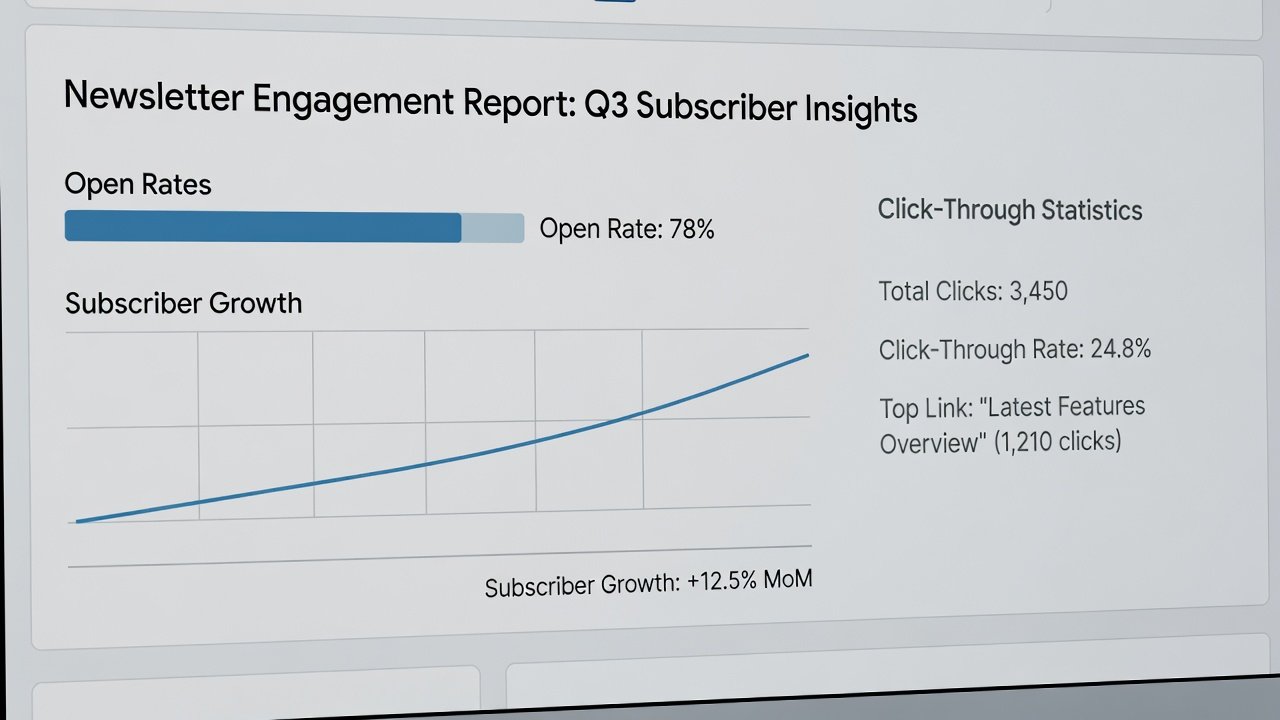
Monitor open rates, click-through rates, and subscriber growth to gauge success. Aim for open rates above 30% by refining subject lines around keywords like job search. Use SEO tools to optimize newsletter archives for discoverability in search engines. Review unsubscribe reasons carefully to spot patterns and adjust content accordingly.
Additional metrics include forward rates and reply volume, which indicate strong reader connection and can signal to employers the influence you're building in your field. Set monthly goals for each metric and experiment with different formats, such as interviews versus solo analysis, to see what resonates most with your audience.
SEO Keywords and Discoverability Strategies
Incorporate terms like job search and job hunting naturally in titles, descriptions, and archives. Optimize your newsletter website or Substack page with relevant meta tags to improve rankings. Share issues on LinkedIn and other professional networks to boost visibility. Archive every issue on a personal site with proper headings and alt text to help search engines index your expertise.
Pitch Email Templates for Outreach
Use this template for cold outreach to potential subscribers: Subject: Quick question about [their industry] trends. Body: Hi [Name], I've been following your work on [specific topic]. I'm launching a newsletter focused on [niche] and would value your input on the first issue. Here's a preview link...
For cross-promotion: Subject: Collaboration idea for our audiences. Body: Hi [Creator], Your newsletter on [topic] resonates with my readers in [overlap area]. Would you be open to a swap mention in upcoming issues? Customize these templates further by referencing a recent post from the recipient to show genuine interest.
FAQ: Avoiding Common Pitfalls Like Inconsistent Posting
- How do I avoid inconsistent posting? Set calendar reminders and batch content creation monthly while maintaining a simple template structure that speeds up production.
- What if engagement is low initially? Focus on niche relevance and promote via Substack communities for early traction, then analyze which topics receive the most replies.
- Should I charge for the newsletter? Start free to build the audience before considering paid tiers once you reach several hundred engaged subscribers.
- How long until I see job opportunities? Most successful cases emerge after 8-12 weeks of consistent publishing, so commit to at least three months before evaluating results.
- What platform should I use? Begin with free or low-cost options like Substack or Beehiiv that handle delivery and basic analytics automatically.
Conclusion: Start Your Newsletter Journey Today
Newsletter publishing offers a proactive path to 2026 job opportunities by demonstrating expertise directly to recruiters. By following these tactics—from topic selection to metrics tracking—you'll create a sustainable asset that enhances your job search and job hunting efforts. Begin with one focused issue this week and iterate based on reader feedback. Over time, this approach not only lands interviews but also builds a professional network that continues supporting your career long after you accept an offer.

No comments yet. Be the first!