 Jobboy

Introduction: Why Cold Outreach Matters in 2026
Traditional job boards remain crowded with applicants, but cold outreach continues to deliver strong results for proactive candidates who want to bypass the noise. In 2026, reaching decision-makers directly through personalized emails and LinkedIn messages can significantly accelerate your path to interviews. This comprehensive guide equips 2026 job seekers with ready-to-use scripts, advanced research techniques, subject line strategies, and data-driven measurement approaches that help you stand out while maintaining professionalism.
Identifying the Right Decision-Makers
Effective outreach begins with precise targeting. Start by using LinkedIn's search filters to locate hiring managers, department heads, and recruiters in your target companies and industries. Refine results by location, company size, and recent activity. Cross-reference findings with company "About" pages, press releases, and employee directories to confirm names and titles. Building a prioritized list of 50-100 contacts allows focused, high-quality outreach rather than scattered efforts. Consider industry events or webinars where these individuals may have spoken to add another layer of relevance.
Research and Personalization Techniques
Personalization separates successful messages from ignored ones. Dedicate time to reviewing each recipient's recent LinkedIn posts, company announcements, and shared connections. Reference a specific project milestone, podcast appearance, or thought leadership article to show authentic interest. This level of detail demonstrates preparation and increases the likelihood of a reply. Tools like Google Alerts or company news sections help surface timely hooks without requiring expensive software.
Crafting High-Open-Rate Subject Lines
Subject lines control open rates more than any other element. Keep them under 50 characters, incorporate the recipient's name or company when natural, and avoid all caps or excessive punctuation. Strong examples include "Question about [Company]'s 2026 expansion plans" and "Inspired by your comments on [industry trend]." Run A/B tests by sending slight variations to similar audience segments and tracking performance over 10-14 days to identify winning patterns.
Proven Email and DM Scripts
Below are battle-tested templates that have helped candidates secure interviews. Always customize with your research.
Cold Email Script Example
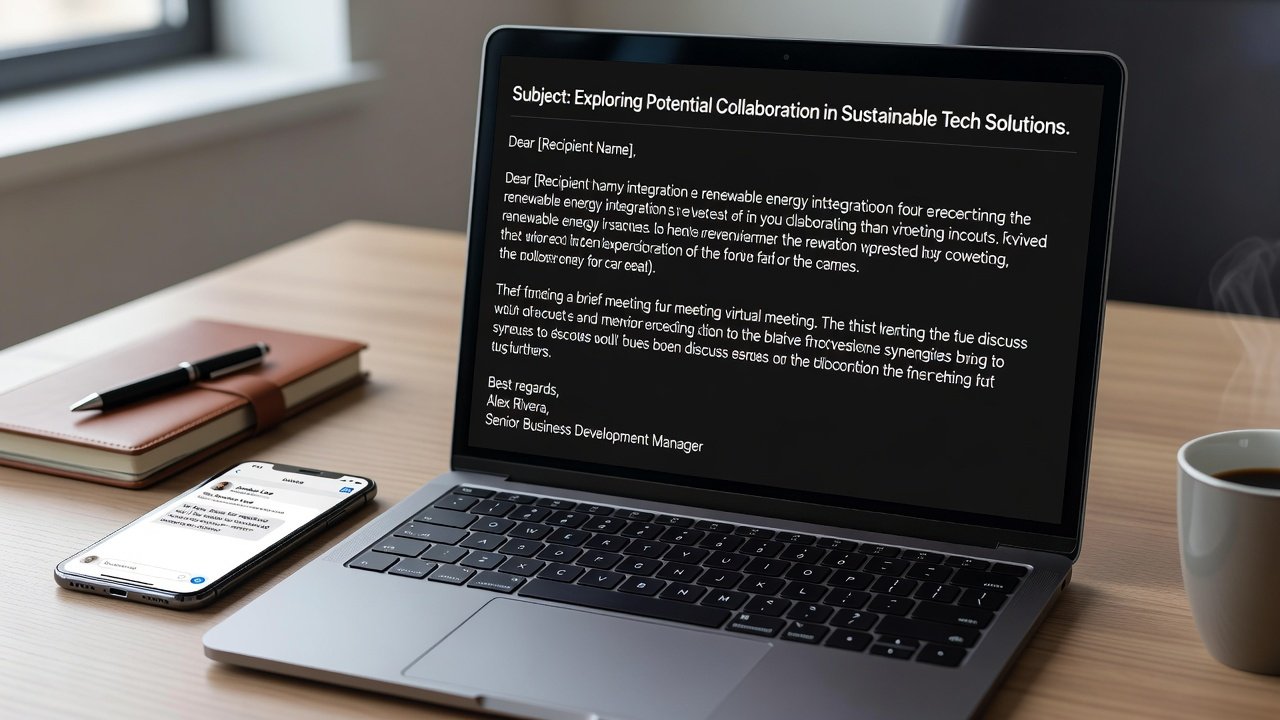
Subject: Quick note on [Company]'s recent [specific achievement]
Hi [Name],
I came across your team's work expanding into [market] and was impressed by the results shared in the latest update. With four years leading similar initiatives at [your previous company], I helped achieve a 35% efficiency gain. Would you have 15 minutes next week to discuss how my experience might support [Company]'s goals?
Thank you,
[Your Name]
LinkedIn DM Script Example
Hi [Name], your recent post on [topic] resonated with challenges I've solved in [your field]. I'm exploring opportunities at [Company] and would value your perspective. Open to a brief connection?
Recruiter-Specific Follow-Up Script
Subject: Following up on my note about [role type]
Hi [Name], I wanted to follow up on my previous message with an additional detail: I recently completed a certification in [relevant skill] that aligns with the requirements you mentioned in your job posting. Happy to share more if helpful.
These scripts respect the recipient's time while clearly communicating value.
A/B Testing Your Templates
Systematic testing improves results over time. Create two versions of your message differing in only one element, such as subject line length or call-to-action phrasing. Send each to comparable groups of 20-30 contacts and compare open and response rates after two weeks. Document findings in a spreadsheet to refine future campaigns. This data-driven approach removes guesswork and reveals what resonates within your specific industry.
Follow-Up Sequences That Convert
Most positive responses arrive after the second or third touch. Space follow-ups 5-7 business days apart. A strong sequence includes an initial value-focused message, a second note sharing a relevant resource or insight, and a brief final check-in. Limit total contacts to three per person to prevent appearing intrusive. Track every touch in a simple CRM or spreadsheet to maintain consistency.
Measuring Response Metrics
Track key performance indicators including open rates, reply rates, and interview conversions using a basic spreadsheet or free tools like HubSpot CRM. Target at least 10-15% open rates on cold emails and 5% reply rates. Review weekly to spot trends and adjust subject lines or personalization depth accordingly. Consistent measurement turns outreach from a guessing game into a repeatable process.
Real-World Success Stories
A product manager in the fintech space sent 40 personalized LinkedIn messages referencing each recipient's recent funding announcements and secured four interviews, ultimately accepting an offer. A content strategist emailed 60 hiring managers with specific references to their published blog posts and received responses from eight companies, leading to two final-round interviews within three weeks. These outcomes underscore the impact of relevance and persistence.
Common Mistakes to Avoid
- Sending identical copy to every recipient without customization, which signals low effort
- Using pushy or overly sales-oriented language instead of genuine professional curiosity
- Ignoring time zones and sending messages during recipients' off-hours
- Skipping proofreading, allowing small errors to damage credibility
- Connecting on LinkedIn after sending a DM rather than before, reducing context
- Scaling volume too quickly without maintaining personalization quality
Integrating Outreach with LinkedIn
Before launching campaigns, strengthen your LinkedIn profile with a results-focused headline and recent accomplishments. Engage regularly with target companies' content to increase visibility and create warm pathways. Use LinkedIn messaging for initial connections and email for deeper follow-ups. Combine both channels strategically for higher response rates. More networking strategies are available at LinkedIn.
Ethical Considerations
Always prioritize respect by personalizing every message and immediately honoring any opt-out requests. Avoid data scraping or bulk sending that violates platform policies. Focus on building quality relationships rather than high-volume blasts to protect your professional reputation. Additional best practices can be found through Indeed career resources and SHRM.
Frequently Asked Questions
How many messages should I send daily?
Begin with 10-15 highly personalized outreaches daily to preserve quality and avoid fatigue.
What if responses remain low?
Re-examine your research depth and subject line clarity. Minor refinements often double engagement within one week.
Is cold outreach still effective in 2026?
Yes, when messages are concise, relevant, and respectful. Decision-makers continue to value well-prepared outreach.
Should I use automation tools?
Use sparingly and only for list management, never for sending unpersonalized messages.
How do I handle negative replies?
Respond politely, thank the person for their time, and remove them from future sequences.
Conclusion
Cold outreach remains one of the most powerful strategies available to 2026 job seekers who invest in thoughtful personalization and disciplined follow-through. Apply the scripts and frameworks outlined here, test continuously, and uphold ethical standards to create meaningful connections that translate into interviews. Begin with a single well-researched message today and iterate based on the results you gather.

No comments yet. Be the first!