 Jobboy

Why Podcast Guesting Is a Powerful Job Search Tool in 2026
In today's competitive job market, traditional applications often get lost in the shuffle. Appearing as a podcast guest allows job seekers to demonstrate thought leadership, build personal brands, and reach recruiters directly. According to recent labor data, strategic visibility can accelerate hiring timelines significantly. Podcasts provide a unique platform because they allow for in-depth discussions that reveal your problem-solving approach, industry insights, and communication skills—qualities that recruiters prioritize when screening candidates for senior or specialized roles.
Unlike static resumes or LinkedIn profiles, live or recorded podcast episodes create authentic connections. Listeners, including hiring managers and talent acquisition professionals, often discover guests through recommendations or targeted searches in their field. This method has proven especially effective in 2026 as remote work continues to expand and companies seek candidates who can articulate complex ideas clearly.
Selecting the Right Niches for Maximum Reach
Choose niches aligned with your target roles but broad enough for discoverability. Focus on industry-specific shows in growing sectors like AI, sustainability, and remote work. Avoid overly saturated topics; instead, target emerging sub-niches where your unique perspective stands out. Research listener demographics to ensure alignment with hiring managers. For example, if you are a data analyst seeking roles in fintech, look for podcasts covering financial technology trends rather than general tech shows. This targeted approach increases the likelihood that your episode resonates with the right audience and generates relevant inbound opportunities.
Consider cross-industry angles too. A project manager might guest on both operations-focused podcasts and leadership development shows to broaden exposure while maintaining relevance. Track niche popularity using search volume tools and episode download estimates to prioritize high-impact opportunities.
Platforms for Discovering Relevant Podcasts
Use directories and search tools to find shows. Popular options include podcast apps and specialized databases. Cross-reference with LinkedIn searches for hosts who discuss career topics. Aim for podcasts with 5,000–50,000 monthly listeners for optimal engagement without overwhelming competition. Start with broad searches using keywords like "career growth 2026" or "industry trends in [your field]" and filter by release frequency and guest guidelines.
Bureau of Labor Statistics provides insights into high-demand fields where podcast visibility pays off. Additional discovery can come from aggregator sites and host directories that list submission forms and audience demographics.
Effective Pitching Techniques and Example Scripts
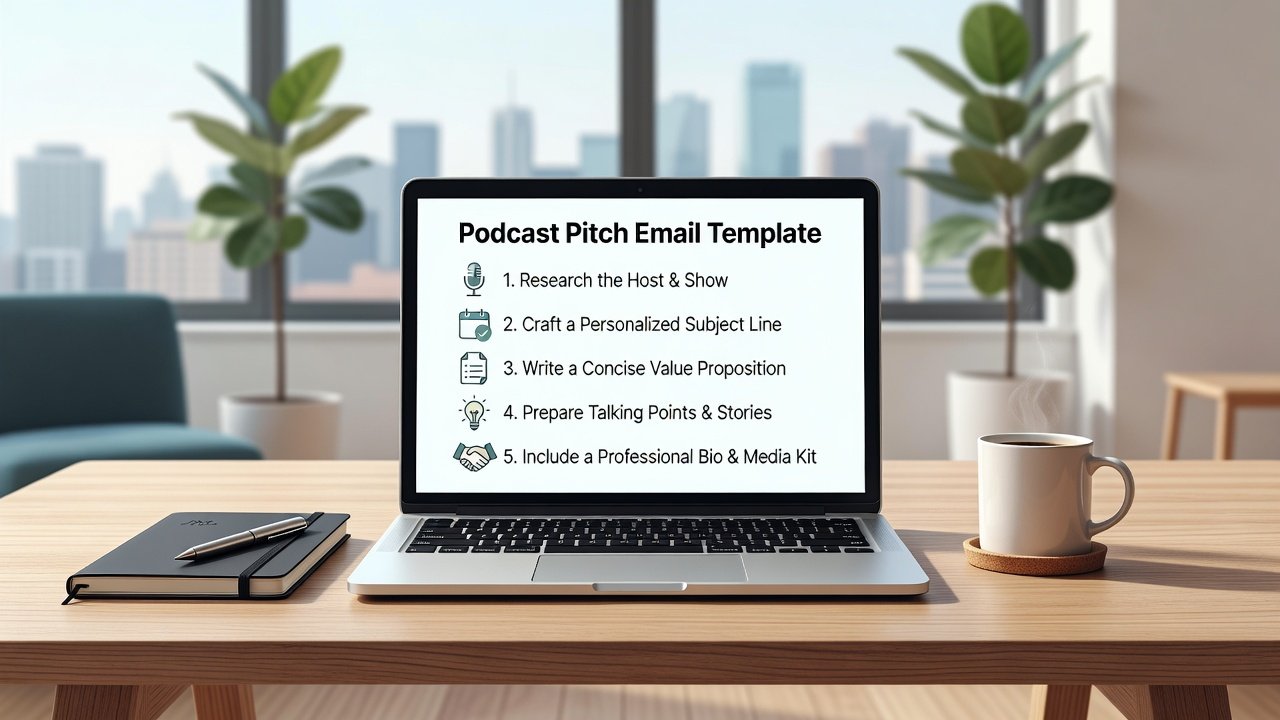
Craft personalized pitches that emphasize value to the audience. Start with research on the host's recent episodes, then propose 2-3 topic angles. Keep emails under 150 words and always include a clear subject line that references a specific episode. Follow up once after 10 days if no response.
Example script 1 (introductory): "Hi [Host Name], I enjoyed your episode on [topic]. As a [your expertise] with experience in [specific achievement], I'd love to discuss how [unique angle] is reshaping [industry] in 2026. Available next month?"
Example script 2 (value-focused): "Hello [Host], Your recent discussion on remote team challenges inspired me. With my background leading distributed teams at [previous company], I can share three practical frameworks that helped reduce turnover by 30%. Would you be open to a 30-minute conversation?"
Example script 3 (follow-up): "Following up on my note from last week—happy to provide sample talking points if helpful for your planning."
Step-by-Step Preparation Tips
Thorough preparation separates memorable guests from forgettable ones. Begin by listening to at least three recent episodes to understand tone, pacing, and recurring themes. Prepare 5-7 key stories with quantifiable results, such as revenue generated or processes improved. Practice concise answers limited to 90 seconds each, using the STAR method (Situation, Task, Action, Result) for behavioral examples.
Test your recording environment: use a quality microphone, ensure stable internet, and choose a quiet space with professional background visuals if video is involved. Outline three questions you would like the host to ask you and prepare bridging phrases to steer the conversation back to your expertise when needed. Finally, rehearse your 30-second professional bio to open the episode confidently.
Converting Podcast Conversations Into Job Offers
During the episode, drop subtle career highlights and end with a call-to-action like sharing your LinkedIn. Post-show, listeners and hosts often reach out. Track engagement through unique links or promo codes in show notes. After recording, request the host's permission to share short clips on your own channels, tagging the podcast to extend reach. Many guests report that recruiters contact them within two weeks of an episode airing, particularly when the topic aligns with open roles at their companies.
Metrics for Tracking Success
- Number of pitches sent vs. acceptance rate (target 15-20%)
- Post-episode website traffic and LinkedIn connection requests
- Recruiter inquiries within 30 days
- Interview invitations attributed to appearances
- Episode download numbers and listener feedback ratings
Review these metrics monthly to refine your pitching and topic selection. Tools like Google Analytics and LinkedIn insights help quantify direct impact on your job search pipeline.
Post-Appearance Follow-Up Strategies
Send thank-you notes to hosts within 24 hours, including a specific reference to a moment from the conversation. Share clips on social media tagging the podcast and relevant listeners. Connect with audience members who comment on the episode and offer additional resources. Nurture relationships by offering to return for follow-up discussions or by introducing the host to other experts in your network. This ongoing engagement often leads to referrals and repeat invitations that keep your profile visible.
Common Pitfalls to Avoid
Don't pitch generically or dominate the conversation. Avoid controversial topics unless relevant. Never neglect audio quality or preparation, as poor delivery undermines credibility. Another frequent mistake is failing to promote the episode afterward, which reduces its long-term value for networking. Always obtain release forms and clarify usage rights for any recorded content you plan to repurpose.
Real-World Case Studies
One marketing professional secured three interviews after two appearances on niche podcasts, landing a role at a growing startup. She attributed her success to preparing three signature frameworks that directly addressed listener pain points mentioned in the shows. A software engineer used guest spots to showcase open-source contributions, resulting in direct recruiter outreach and a 25% salary increase offer. In another case, a supply chain specialist appeared on three logistics-focused podcasts over four months; she received six recruiter messages and ultimately accepted a director-level position after converting two of those conversations into formal interviews.
Conclusion
Mastering podcast guesting in 2026 positions you as an expert who attracts opportunities rather than chasing them. Combine strategic niche selection, polished pitching, and consistent follow-up to turn conversations into offers. Start small, track results, and refine your approach for compounding career benefits. With deliberate effort, this strategy can transform passive listening audiences into active advocates for your next role.

No comments yet. Be the first!