 Jobboy
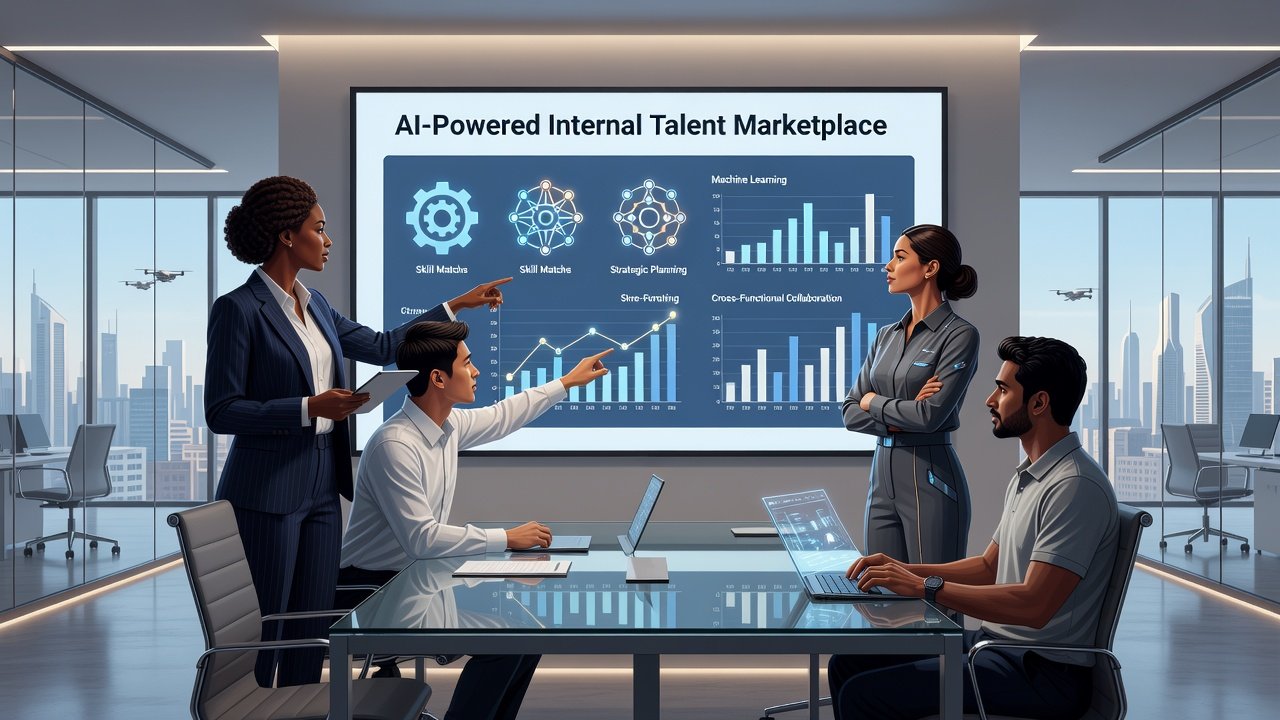
Introduction to Internal Talent Marketplaces in 2026
Internal talent marketplaces have become indispensable tools for mid-to-large organizations aiming to enhance employee mobility and retention through sophisticated technology. In 2026, these platforms rely heavily on AI-driven matching algorithms that analyze skills, experiences, career aspirations, and even behavioral patterns to suggest optimal internal opportunities. This shift helps companies reduce reliance on external recruitment while empowering employees to explore growth paths within the organization.
HR professionals face increasing pressure to deliver personalized career experiences. AI matching goes far beyond simple keyword searches by incorporating predictive models that forecast long-term success in new roles. Organizations implementing these systems report improved engagement and lower turnover, as employees feel supported in their development. The guide ahead covers every critical aspect, from selecting platforms to managing organizational change, ensuring a complete roadmap for implementation.
Platform Selection Criteria for AI-Powered Marketplaces
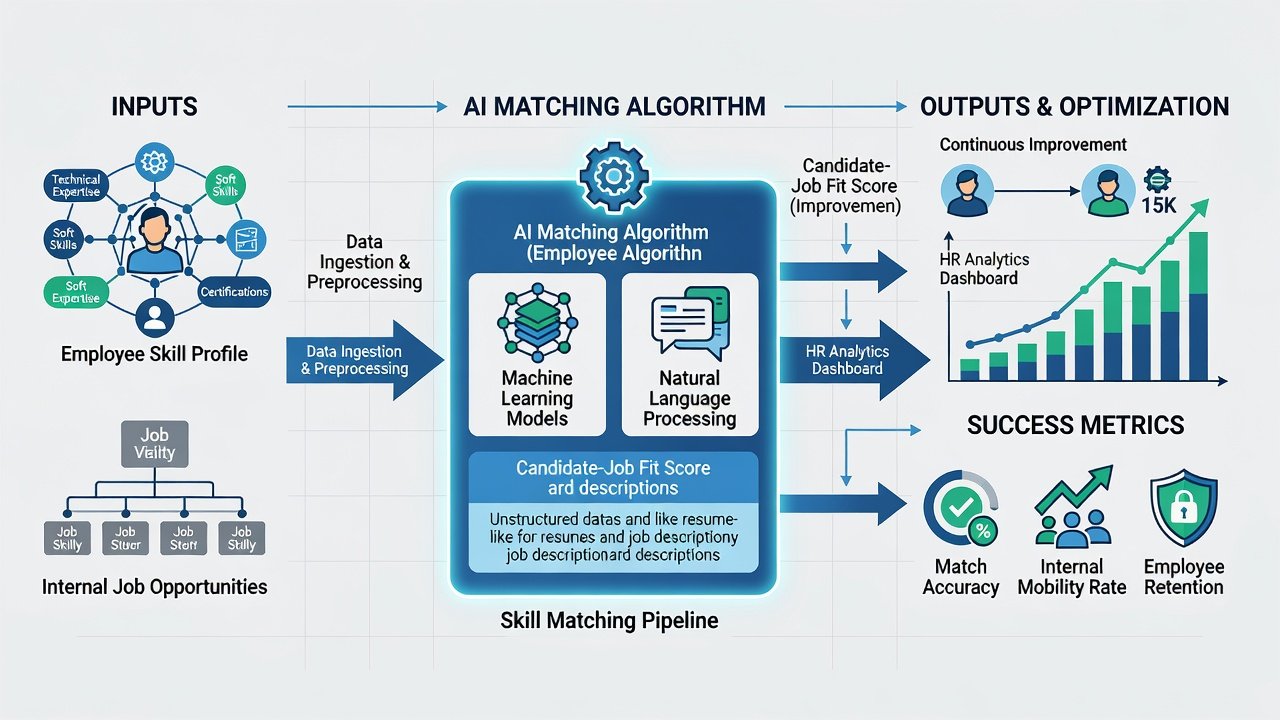
Selecting an effective platform involves evaluating multiple dimensions tailored to enterprise needs. The core AI matching engine should leverage advanced techniques such as natural language processing for resume parsing and collaborative filtering for peer-based recommendations. Scalability ensures the system performs well as the employee base grows to thousands or tens of thousands.
Integration depth with existing ATS and HRIS platforms is essential to maintain data consistency. User adoption hinges on intuitive design, mobile accessibility, and customizable dashboards. Security certifications, vendor track record, and ongoing support for algorithm updates round out the criteria. Comparing options through pilot programs allows teams to test real-world performance before full commitment.
Building Robust Skill Taxonomies
Effective AI matching depends on comprehensive skill taxonomies that evolve with business needs. Start by mapping core competencies across departments, then layer in specialized skills and proficiency levels. Involve cross-functional teams including managers and high performers to validate categories.
Best practices include using standardized frameworks like those from industry bodies while customizing for internal context. Regular reviews, perhaps quarterly, keep taxonomies current amid technological shifts. For instance, a manufacturing firm might add sustainability expertise and digital twin modeling to its taxonomy in 2026 to reflect new priorities.
Data Privacy Best Practices
Protecting employee information requires layered safeguards. Begin with clear policies on data collection, storage, and usage, ensuring all AI processing occurs with explicit consent. Anonymization techniques allow aggregate analysis without exposing individual profiles.
Compliance with global regulations demands regular audits and employee education on their rights. Encryption at rest and in transit, combined with role-based access, minimizes breach risks. Transparent communication about how matches are generated builds trust and encourages broader participation in the marketplace. Resources from SHRM outline ethical frameworks that many enterprises adapt successfully.
Integration with ATS and HRIS Systems
Technical integration forms the backbone of a functional talent marketplace. Use APIs to synchronize employee profiles, performance reviews, and learning records from the HRIS into the AI engine. ATS connections enable seamless internal job postings and application tracking without duplicate data entry.
Potential hurdles include outdated legacy systems or inconsistent data formats. Solutions range from middleware connectors to phased migrations that prioritize high-value modules first. Thorough testing during integration prevents disruptions, and documentation of data flows supports ongoing maintenance and compliance reporting.
Advanced AI Matching Strategies in 2026
Leading platforms now employ hybrid models combining content-based and collaborative filtering with reinforcement learning. These approaches refine suggestions over time based on successful placements and employee feedback. Incorporating sentiment analysis from internal communications or project feedback adds nuance to skill assessments.
Predictive career pathing uses historical mobility data to recommend sequences of roles that accelerate development. Bias mitigation remains a priority, with regular fairness audits ensuring equitable outcomes across demographics. These advanced methods distinguish mature implementations from basic marketplaces.
Measuring Match Success Rates
Quantifying effectiveness requires a balanced scorecard. Track primary metrics such as match acceptance rate, time from suggestion to application, and post-move performance ratings. Secondary indicators include retention after six and twelve months plus employee net promoter scores related to mobility.
Establish baselines before launch and use A/B testing to evaluate algorithm tweaks. Dashboards should surface insights at team and organizational levels, enabling data-driven refinements. Enterprises achieving high success rates often tie metrics directly to manager incentives for supporting internal moves.
Change Management Tactics for Adoption
Successful rollout depends on proactive change management. Begin with executive alignment to model desired behaviors, followed by targeted training that demonstrates personal benefits for employees. Address skepticism by showcasing early wins from pilot groups.
Practical tactics include creating internal champions, distributing clear FAQs, and offering opt-in features initially. Ongoing feedback loops through surveys and town halls allow rapid iteration. A detailed checklist covers readiness assessment, stakeholder mapping, communication planning, training development, pilot execution, full deployment, and continuous optimization.
Real-World Enterprise Examples
A multinational technology company deployed an AI marketplace integrated with its HRIS and achieved a 35 percent increase in internal mobility within the first year. Managers reported better visibility into hidden talents, while employees praised the relevance of suggestions. Another example comes from a healthcare system that used skill taxonomies to redeploy clinical staff during seasonal demand spikes, improving retention and operational agility.
These cases underscore the importance of combining strong data foundations with user-centric design. Lessons learned include starting small, measuring relentlessly, and iterating based on real usage patterns rather than assumptions.
Common Pitfalls to Avoid
- Overly complex taxonomies that confuse users instead of guiding them.
- Ignoring change resistance, which leads to low engagement.
- Neglecting bias testing in AI models, risking legal and cultural issues.
- Failing to update integrations after system upgrades.
FAQ: Common Rollout Challenges
- How do we handle resistance to AI recommendations? Provide full transparency on matching logic and permit manager overrides with documented rationale.
- What if data quality is poor? Conduct a dedicated cleansing project and establish ongoing governance before activation.
- Can smaller departments benefit? Yes, but tailor features and launch with core matching first, expanding later.
- How often should algorithms be retrained? Quarterly reviews using fresh outcome data maintain accuracy.
- What support is needed post-launch? Dedicated HR tech specialists plus vendor resources ensure smooth operations.
By addressing these elements thoroughly, HR teams position their organizations for sustained success with internal talent marketplaces. Continued attention to emerging AI capabilities will keep programs competitive. Additional frameworks are available through Gartner and Deloitte research on workforce transformation.
No comments yet. Be the first!