 Jobboy
Introduction
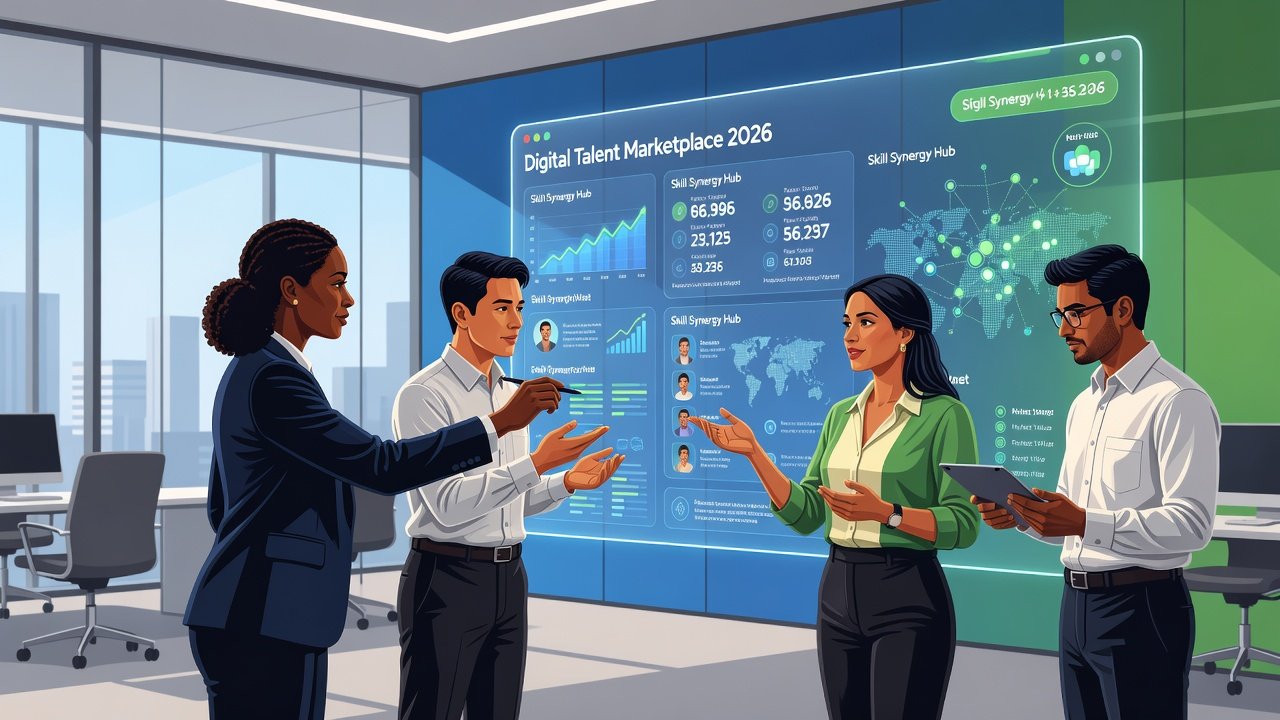
Internal talent marketplaces are transforming how organizations approach employee retention and career mobility in 2026. By connecting internal opportunities with employee skills and aspirations, these platforms help mid-sized companies reduce turnover and build sustainable talent pipelines. This playbook provides HR leaders with actionable guidance on leveraging existing ATS and HRIS systems for successful implementation. As the labor market continues to evolve with rapid technological changes and shifting employee expectations, companies that invest in internal mobility see measurable improvements in engagement and reduced external hiring costs. The focus here is on practical steps rather than theoretical concepts, ensuring leaders can move from planning to execution with confidence.
What Are Internal Talent Marketplaces?
An internal talent marketplace is a digital platform that matches employees with open roles, projects, and development opportunities within the organization. Unlike traditional job boards, these systems emphasize skills-based matching and career pathing rather than just applying for promotions. They aggregate data from performance reviews, skills inventories, and employee preferences to create personalized opportunity feeds. In 2026, many platforms also incorporate real-time project staffing features that allow employees to contribute to cross-functional initiatives without leaving their current teams.
Why Internal Talent Marketplaces Matter in 2026
The post-pandemic workforce has placed greater value on growth opportunities and work-life balance. Employees who perceive limited internal advancement are more likely to explore external options. Internal marketplaces address this by surfacing hidden opportunities and fostering a culture of continuous development. Mid-sized companies, often lacking the resources of large enterprises, benefit particularly because they can maximize existing talent rather than compete in expensive external markets.
Benefits for Retention and Mobility
Organizations using internal talent marketplaces report higher engagement because employees see clear paths forward. Mobility rates improve as workers explore lateral moves and short-term assignments. Retention impact is significant when employees feel their careers are supported internally instead of seeking external opportunities. Additional benefits include faster role fulfillment, improved diversity in talent deployment, and stronger succession planning. Data shows that companies prioritizing internal mobility often experience lower voluntary turnover among high performers.
Platform Selection and Integration with ATS/HRIS
When choosing a platform, prioritize solutions that integrate seamlessly with your current ATS and HRIS. Key features include API compatibility, data synchronization, and user-friendly interfaces. Focus on vendors offering robust security protocols to protect sensitive employee information. Evaluate options based on scalability, mobile accessibility, and analytics dashboards. Integration best practices involve mapping data fields early, conducting thorough testing, and training HR teams on the unified system. This approach minimizes disruption and ensures accurate skill profiles. Consider conducting a vendor audit that includes references from similar-sized organizations to avoid costly mismatches.
AI Matching Algorithms Explained
AI algorithms analyze skills, experience, performance data, and career interests to suggest matches. Effective systems use machine learning to refine recommendations over time based on successful placements and employee feedback. HR leaders should evaluate algorithm transparency and bias mitigation features during selection. Advanced platforms incorporate natural language processing to interpret unstructured resume data and employee goal statements. Regular audits of matching outcomes help identify and correct any unintended biases related to demographics or tenure.
Change Management Tactics
Successful rollouts require executive sponsorship and clear communication. Start with pilot programs in select departments to build momentum. Address manager concerns by highlighting how the marketplace reduces hiring costs and improves team performance through better internal fits. Develop a communication calendar that includes email updates, manager toolkits, and employee success stories. Provide training sessions focused on how to use the platform for both employees and leaders. Employee communication should emphasize benefits like personalized career paths and reduced job search stress. Regular town halls and success stories help overcome initial resistance.
Measuring Mobility Rates and Retention Impact
Track key metrics such as internal fill rates, time-to-mobility, and retention percentages for participants versus non-participants. Use dashboards to monitor trends quarterly. Compare pre- and post-implementation data to quantify ROI on retention efforts. Additional KPIs include average tenure in roles, skill development completion rates, and employee satisfaction scores related to career opportunities. Establish baseline measurements before launch and review progress at 90-day intervals to allow for timely adjustments.
Building Employee Career Paths
Internal marketplaces support dynamic career paths by surfacing skill gaps and recommended learning. Combine platform data with manager discussions to create individualized development plans. This fosters loyalty and positions the company as an employer of choice. Encourage employees to update profiles regularly and link marketplace activity to performance goals. Over time, these practices create a self-reinforcing cycle where visible mobility examples inspire broader participation.
Real-World Examples from Mid-Sized Companies
A 450-employee manufacturing firm implemented an internal marketplace integrated with its existing HRIS, achieving a 25% increase in internal mobility within the first year. The company reported that project-based assignments helped retain technical talent who previously felt stagnant. Another mid-sized tech company used AI matching to fill 40% of project roles internally, reducing external recruiting needs significantly. A healthcare organization with 800 employees saw retention improve by 18% among marketplace participants after introducing manager incentives tied to internal mobility goals.
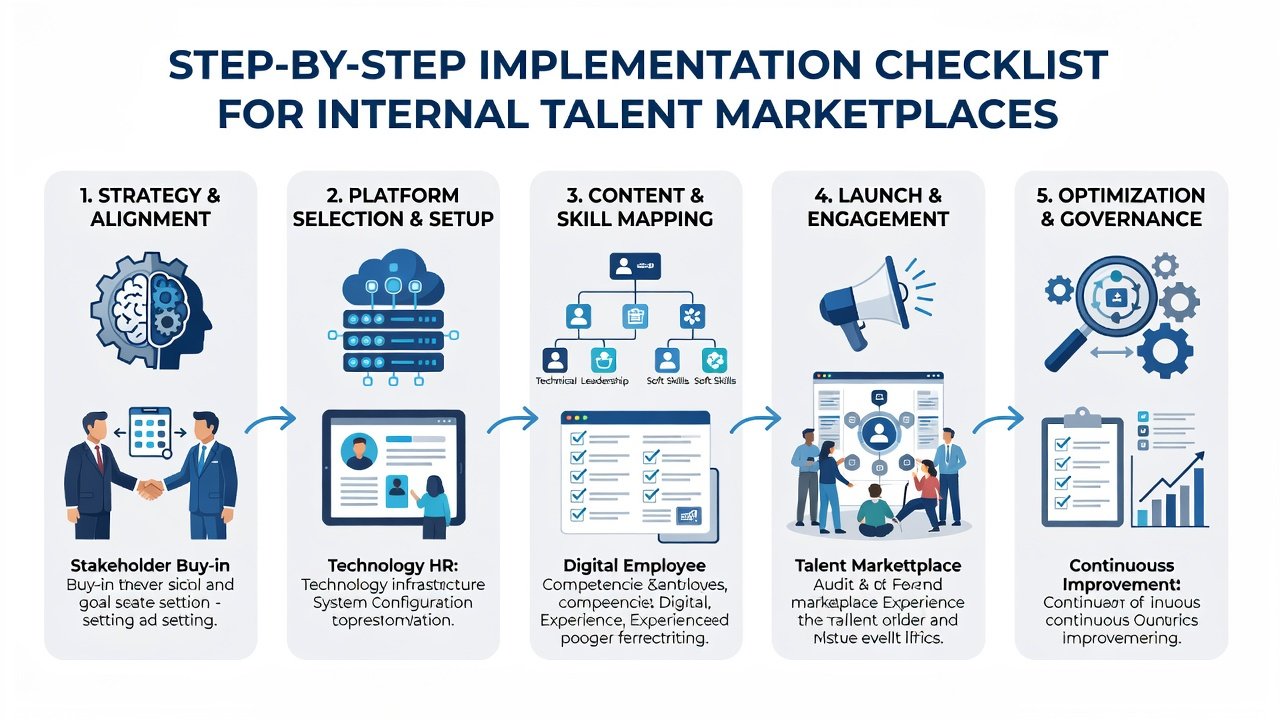
Step-by-Step Implementation Checklist
- Audit current ATS and HRIS capabilities for marketplace features and identify any data gaps.
- Define success metrics aligned with retention goals and secure executive sponsorship.
- Select and configure the platform with IT support, ensuring all integrations are thoroughly tested.
- Develop change management and training plans tailored to different stakeholder groups.
- Launch a pilot program and gather feedback through surveys and focus groups.
- Scale rollout while monitoring data privacy compliance and user adoption rates.
- Establish ongoing measurement and optimization processes with quarterly reviews.
Common Pitfalls to Avoid
Many organizations fail by underestimating change management needs or choosing platforms without strong integrations. Data privacy oversights and lack of manager buy-in also derail initiatives. Always involve legal teams early when handling employee data. Another frequent mistake is launching without clear success criteria, leading to difficulty demonstrating value. Avoid over-customizing the platform at the expense of usability, and ensure employees receive ongoing support rather than one-time training.
FAQs
How is data privacy handled in internal talent marketplaces?
Platforms must comply with regulations like GDPR and CCPA. Use anonymized data where possible and obtain explicit employee consent for profile visibility. Conduct regular privacy impact assessments and provide employees with control over what information is shared. Partnering with vendors that offer detailed audit logs helps maintain transparency and trust.
What if managers resist employee mobility?
Frame mobility as a retention tool that benefits teams long-term. Provide incentives for managers who support internal moves and share data showing reduced turnover costs. Create guidelines that balance team stability with individual growth, and recognize managers publicly for developing talent that advances within the organization.
How do we calculate ROI for these initiatives?
Measure savings from reduced external hiring, improved productivity from better matches, and retention gains. Track these metrics over 12-18 months for accurate assessment. Include qualitative factors such as improved employee engagement survey results and faster time-to-productivity for internal moves when building the full business case.
Conclusion
Internal talent marketplaces offer a strategic advantage for retention and mobility in 2026. By focusing on integration, change management, and measurement, HR leaders can create lasting impact. Start planning your implementation today to stay competitive in talent management. For more insights on workforce strategies, visit SHRM, Harvard Business Review, and U.S. Bureau of Labor Statistics.

No comments yet. Be the first!