 Jobboy

Introduction
Virtual job fairs have become essential tools for job seekers navigating the competitive employment landscape in 2026. These online events combine the reach of digital platforms with real-time human interaction, allowing candidates to engage directly with hiring managers from multiple organizations without leaving home. Unlike traditional job boards that rely on passive applications, virtual fairs offer immediate feedback, networking opportunities, and the chance to stand out through live conversations. This comprehensive guide walks through every stage of the process, from initial preparation to post-event follow-up, ensuring you convert virtual connections into tangible career opportunities.
Why Virtual Job Fairs Matter in 2026
The job market in 2026 emphasizes digital accessibility and efficiency. Virtual job fairs break down geographic limitations, enabling applicants from rural areas or different time zones to connect with global employers. They also provide a dynamic alternative to static listings by fostering two-way communication. Many organizations now prioritize these events because they reduce recruitment costs while reaching diverse talent pools. Participants who approach these fairs strategically often report faster response times and higher interview rates compared to traditional methods.
Pre-Event Preparation
Optimize Your Professional Profiles
Begin by refining your LinkedIn profile, resume, and any event registration portals at least one week in advance. Use a professional headshot taken in good lighting and craft a summary that highlights quantifiable achievements from the past year. Incorporate industry-specific keywords naturally throughout your experience section. For example, if targeting marketing roles, emphasize campaign metrics and audience growth rather than generic duties. Update contact information and ensure consistency across all platforms to build immediate credibility with recruiters who review profiles before chats begin.
Research Participating Companies Thoroughly
Obtain the full list of attending employers as soon as it becomes available. Narrow your focus to ten to fifteen organizations that align with your skills and career goals. Dive deeper by reviewing their recent press releases, open positions, and company culture pages. Prepare three to five tailored questions for each, such as inquiring about team expansion plans or specific challenges the department currently faces. This level of preparation demonstrates genuine interest and sets you apart from candidates who ask surface-level questions.
Develop a Strong Elevator Pitch
Craft a concise 30-second introduction that includes your name, target role, key strengths, and one recent accomplishment. Practice delivering it naturally, varying your tone to avoid sounding robotic. Record yourself on video to refine pacing and clarity. Have backup versions ready for different industries to ensure relevance during fast-paced booth interactions.
Tech Setup Recommendations
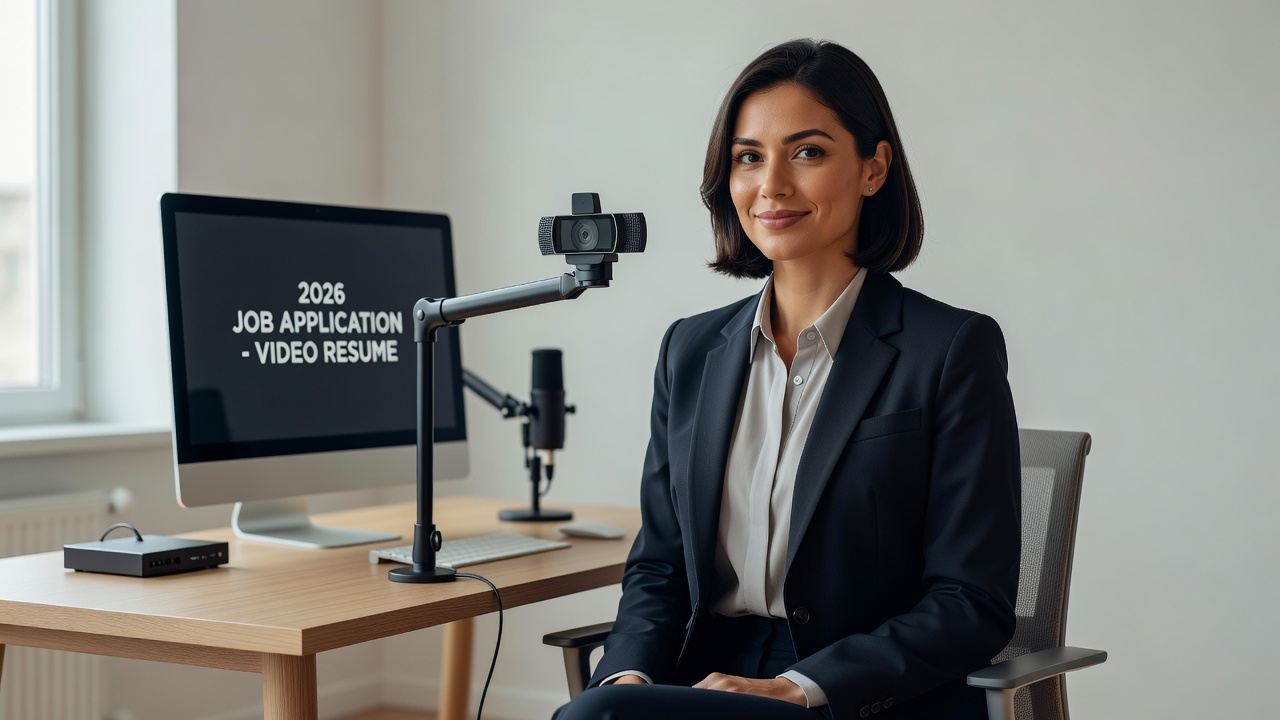
Reliable technology forms the foundation of a successful virtual fair experience. Schedule a full test run 48 hours beforehand using the exact platform the event will employ. Invest in a stable internet connection, preferably wired, and position yourself in a well-lit area with minimal background distractions. Use a high-quality external webcam and noise-canceling microphone for clear communication. Update your browser and close unnecessary applications to prevent lag. Prepare a backup device and phone hotspot in case of connectivity issues. Many platforms integrate seamlessly with tools from LinkedIn, so familiarize yourself with their interface features in advance.
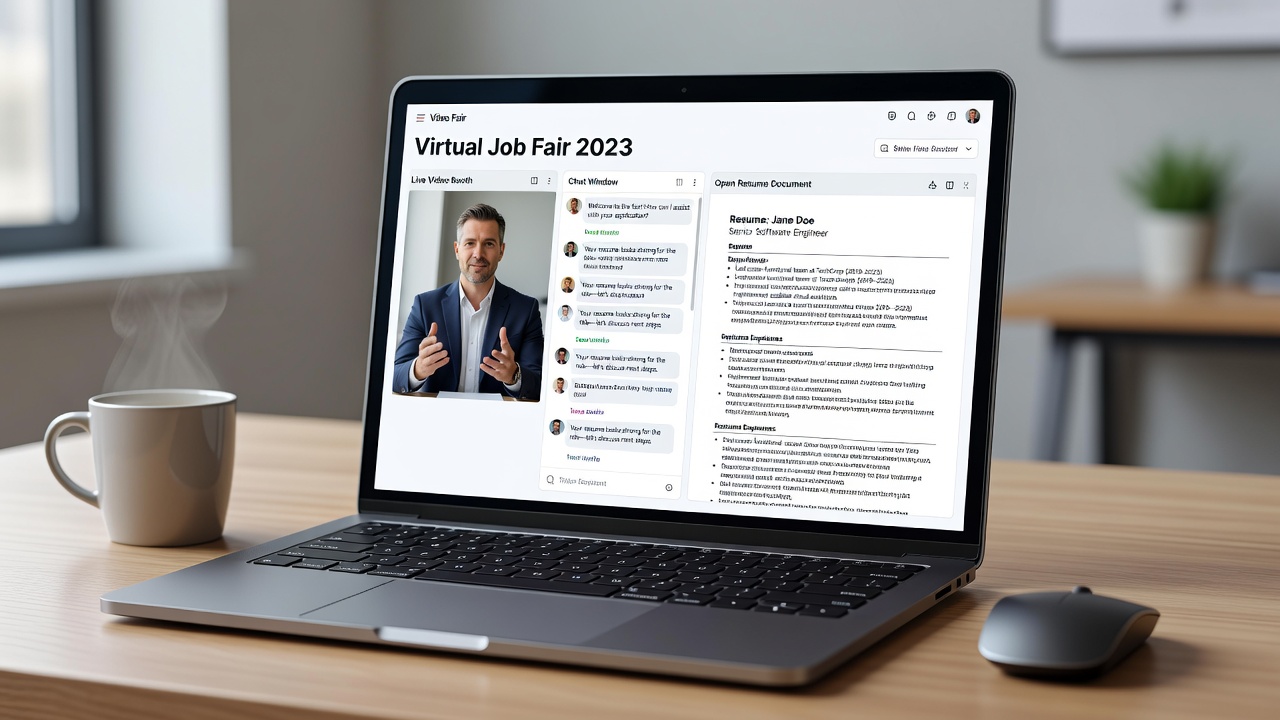
Live Strategies for Virtual Booth Interactions
Log in early to acclimate to the virtual environment and review the agenda. When approaching a booth, greet the recruiter warmly and deliver your elevator pitch confidently. Listen actively and take brief notes on key points discussed. Ask open-ended questions that invite detailed responses, such as how success is measured in the role or what professional development opportunities exist. Balance your participation by speaking about 40 percent of the time while allowing the recruiter to share information. If the platform offers private chat, use it to exchange contact details or share your resume link quickly.
Networking Best Practices
- Send LinkedIn connection requests immediately after each conversation with a personalized note referencing your discussion.
- Engage with other attendees in public chat areas to expand your network beyond recruiters.
- Follow company social channels during the event to stay visible.
- Respect time limits at busy booths and offer to schedule follow-up calls if needed.
Common Mistakes That Derail Opportunities
Technical unpreparedness ranks among the top errors, including poor lighting, echoey audio, or unstable connections that interrupt flow. Another frequent issue involves generic pitches that fail to differentiate you from other candidates. Avoid multitasking or glancing at other screens during live video, as it signals disinterest. Overly scripted responses can feel inauthentic; instead, aim for conversational delivery. Finally, neglecting to research companies leads to awkward silences or irrelevant questions that waste valuable time. Prepare contingency plans for glitches, such as switching to audio-only mode if video fails.
Post-Event Follow-Up Sequences
Send personalized thank-you messages within 24 hours via email or LinkedIn. Reference specific topics from your conversation and reiterate your enthusiasm for the role. Create a simple tracking spreadsheet listing each contact, discussion highlights, and planned follow-up dates. If no response arrives after one week, send a brief, value-added message such as sharing a relevant industry article. Maintain professionalism throughout and avoid appearing pushy. Many successful candidates secure interviews through consistent, thoughtful follow-up that keeps them top of mind.
Comparison of Top Virtual Job Fair Platforms
Several established platforms dominate the space. LinkedIn Events excels in professional networking and integration with existing profiles. Indeed hosts frequent career fairs with broad industry coverage and easy mobile access. Government-supported sites like CareerOneStop offer targeted events for specific sectors. Compare factors such as video quality, booth capacity, mobile compatibility, and post-event analytics when choosing where to register. Indeed provides additional listings of upcoming virtual events across regions.
Success Stories
A software engineer attended a 2026 tech virtual fair after optimizing her profile with recent project metrics. She prepared targeted questions about agile methodologies and followed up the same evening, resulting in three interviews and an offer within two weeks. Another participant in human resources used the chat function to connect with a recruiter during high-traffic periods, bypassing video queues and ultimately landing a senior role after a structured follow-up sequence. These examples highlight how preparation and persistence translate into results.
Downloadable Checklist
Create a printable one-page checklist covering profile updates, company research lists, tech testing steps, pitch practice, and follow-up templates. Review it the morning of the event to ensure nothing is overlooked. Include space for notes on each company interaction.
FAQ
What is the best time to join a virtual job fair?
Arrive 15 to 30 minutes early for technical checks and agenda review. Peak engagement typically occurs in the opening hours when recruiters are most available.
How should I dress for virtual events?
Choose business casual or professional attire with solid colors that photograph well. Ensure your upper body appears fully on camera with a tidy background.
Can I attend multiple fairs on the same day?
Limit yourself to two events to preserve energy and deliver quality interactions. Over-scheduling often leads to diminished focus and rushed conversations.
What etiquette rules apply during live chats?
Maintain eye contact with the camera, speak clearly, and avoid interrupting. Thank recruiters at the end and confirm next steps before exiting the booth.
Conclusion
Virtual job fairs in 2026 reward thorough preparation, confident engagement, and diligent follow-up. By implementing the strategies outlined above, you can transform these events into powerful catalysts for your job search. Begin planning your participation in upcoming fairs today to unlock new professional pathways.
No comments yet. Be the first!