 Jobboy
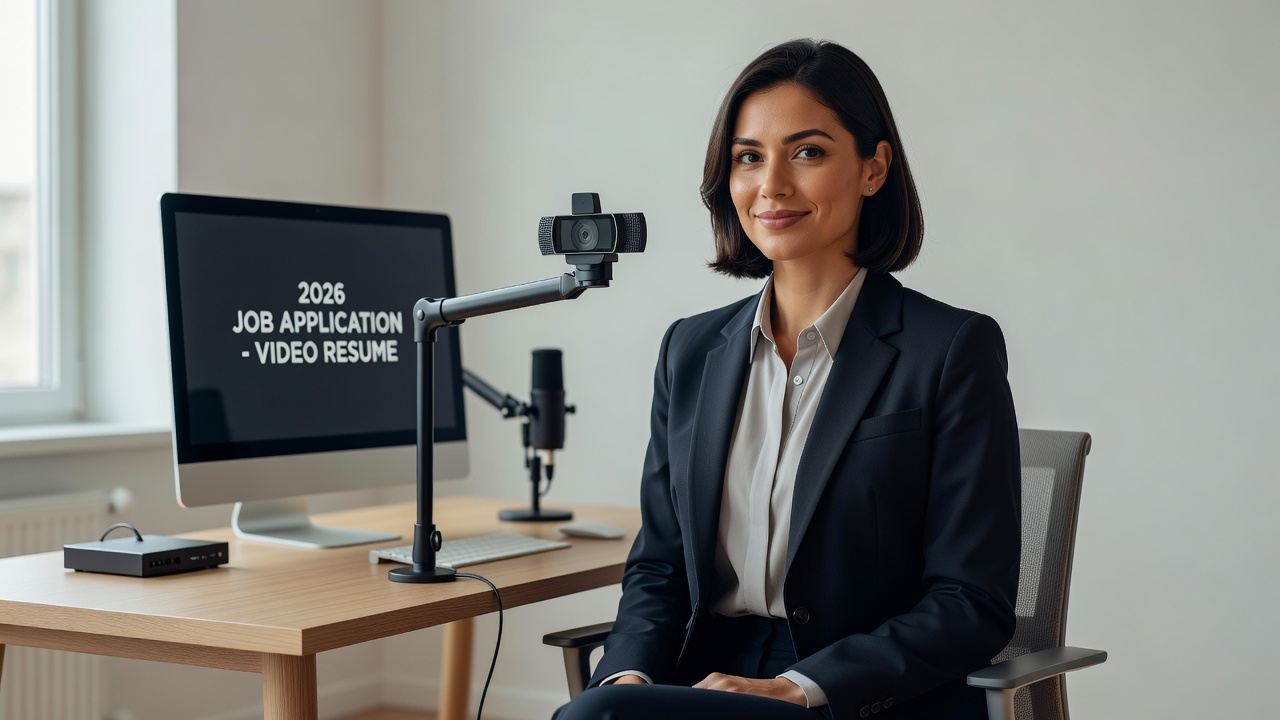
Introduction to Video Resumes in 2026
In today's competitive job market, standing out requires more than a traditional resume. Video resumes have emerged as a powerful tool for job seekers to showcase personality, communication skills, and professional fit. This guide provides a complete walkthrough for beginners aiming to leverage video resumes effectively for 2026 applications. Recruiters increasingly prefer dynamic formats that reveal soft skills quickly, making video resumes an innovative way to go beyond standard text submissions.
Many applicants now use video to humanize their candidacy, especially when applying through digital platforms where thousands of resumes compete for attention. By incorporating a well-crafted video, candidates can highlight enthusiasm and cultural alignment in a format that text alone cannot convey.
Why Video Resumes Matter for 2026 Job Seekers
Traditional resumes list achievements in text, but video resumes allow candidates to demonstrate enthusiasm and cultural alignment in under two minutes. They are especially useful in creative, sales, marketing, and tech fields where presentation matters. Integration with job boards like LinkedIn and Indeed makes uploading straightforward and increases visibility among hiring managers scanning for standout applicants.
Video resumes also help bridge the gap in remote hiring processes that became standard after 2020. They let recruiters assess body language, tone, and energy without scheduling an immediate interview, saving time for both parties while giving applicants a chance to make a memorable first impression.
Core Elements of an Effective Video Resume
Optimal Length and Structure
Keep your video between 60 and 90 seconds to maintain attention. A proven structure includes: a 10-second introduction with your name and target role, a 40-second highlight of key achievements aligned to the job description, a 20-second explanation of why you fit the company, and a 10-second call to action with contact details. This framework ensures the video flows logically while covering essential information without overwhelming viewers.
Content Focus Aligned with Job Listings
Tailor every video to the specific posting. Use keywords from the job description naturally. Focus on quantifiable results rather than generic statements. For instance, instead of saying you improved sales, mention how you increased quarterly revenue by a specific percentage through targeted campaigns. This alignment shows recruiters you have researched the role and understand their needs.
Step-by-Step Guide to Creating Your Video Resume
- Script your key points and practice delivery three times. Write a concise script first, then rehearse in front of a mirror or record test takes to refine pacing and eliminate filler words like "um" or "like."
- Choose a neutral, professional background. A clean wall or organized home office works best; avoid clutter that could distract from your message.
- Record in high-definition using a smartphone or webcam. Position the camera at eye level and ensure stable lighting before hitting record.
- Edit for clarity, adding subtle captions if needed. Use free tools to trim awkward pauses and enhance audio quality without over-editing.
- Export and test playback on multiple devices. Check how the video appears on phones, tablets, and desktops to confirm compatibility.
Best Practices for Lighting, Delivery, and Production
Good lighting is essential—position yourself facing a window or use soft LED lights to avoid harsh shadows on your face. Speak clearly at a moderate pace, maintain eye contact with the camera, and smile genuinely to convey confidence and approachability. Avoid distractions like pets or background noise by recording during quiet hours and using a simple external microphone if available. Test audio quality beforehand by playing back a short clip and adjusting settings accordingly. Professional delivery also involves dressing appropriately for the industry and maintaining good posture throughout the recording.

Integrating Video Resumes with Job Boards and Applications
Upload your video to LinkedIn as a featured post or link it in your application. Many applicant tracking systems now support video links. Always follow each employer's submission guidelines to avoid rejection. Some platforms allow embedding the video directly in profiles, while others prefer a private link hosted on a secure site. Combining the video with a traditional PDF resume creates a complete package that appeals to both automated systems and human reviewers.
Video Resumes vs Traditional Resumes: Key Comparisons
Traditional resumes excel at ATS parsing, while video resumes highlight interpersonal skills. Use both: attach a PDF resume and include the video link. This hybrid approach maximizes reach because automated filters can process the written document while recruiters gain deeper insight from the visual element. In fields requiring creativity, the video often becomes the deciding factor after the initial screening.
Real-World Examples of Successful Video Resumes
Consider a marketing professional who opened with a 15-second hook about a campaign that increased engagement by 40%, then transitioned to role-specific skills such as content strategy and audience analytics. Another example: a software engineer demonstrating problem-solving by briefly walking through a code challenge on screen while explaining the thought process. These examples show how candidates can blend storytelling with concrete achievements to leave a lasting impression.
Common Pitfalls to Avoid
- Overly long videos that lose viewer attention within the first 30 seconds.
- Poor audio quality or inconsistent lighting that makes the candidate appear unprepared.
- Generic content not tailored to the role, which signals a lack of research.
- Neglecting to proofread scripts for grammar and relevance before recording.
- Failing to follow up with a strong written application that complements the video.
FAQ: Recruiter Preferences for Video Resumes in 2026
Do recruiters watch video resumes?
Yes, many do when the content is concise and relevant, especially for roles emphasizing communication. Recruiters often prioritize videos that quickly demonstrate value.
What file formats are preferred?
MP4 is widely accepted across platforms and ensures easy playback without compatibility issues.
Should I include my video on every application?
Only when it adds value; for highly technical roles, a strong written resume may suffice unless the employer specifically requests video content.
How can I track whether my video is being viewed?
Use platforms that provide analytics on link clicks and watch time to refine future submissions.
Conclusion
Video resumes offer a modern edge when executed thoughtfully. By following the structure, tips, and best practices outlined here, you can create applications that truly differentiate you in 2026 and increase your chances of landing interviews.


No comments yet. Be the first!