 Jobboy

Introduction: Why Newsletters Are a Game-Changer for Job Seekers in 2026
In today's competitive job market, standing out requires more than a polished resume. Launching a niche newsletter allows job seekers to demonstrate expertise directly to recruiters and hiring managers. This approach bypasses crowded job boards and builds a personal brand that attracts opportunities organically. By 2026, professionals who consistently share targeted insights are positioning themselves as thought leaders, leading to interviews and offers through inbound interest. The shift toward content-driven personal branding means that a well-executed newsletter can serve as living proof of your skills, problem-solving abilities, and industry knowledge. Recruiters increasingly scan professional networks for active creators rather than passive applicants, making this strategy timely and effective.
This comprehensive guide walks through every step, from selecting the right niche to measuring results and integrating the newsletter with traditional applications. You'll find practical checklists, real examples, and strategies to avoid common setbacks.
Choosing a Niche Aligned with Your Target Roles
Success starts with niche selection. Align your newsletter with roles you want by focusing on industry-specific challenges, emerging trends, or skill gaps. For example, a marketing professional might target "AI-driven content strategies for B2B SaaS." Research job descriptions on major platforms to identify recurring keywords, then weave them into your newsletter theme. Begin by listing your top three desired job titles and extracting common requirements such as tools, methodologies, or regulatory knowledge. Narrow further by considering your unique background—what problems have you solved that others struggle with? Test ideas by posting short threads on LinkedIn first to gauge interest before committing. A strong niche balances specificity with sufficient audience size; overly broad topics dilute impact, while ultra-narrow ones limit growth potential.
Content Planning with Keyword-Rich Insights
Plan content that balances value and discoverability. Use free keyword tools to identify high-search terms related to your niche, such as "remote project management tips 2026" or "sustainable supply chain innovations." Create an editorial calendar with a mix of educational posts, case studies, trend analyses, and Q&A formats. Aim for weekly or bi-weekly issues. Each edition should open with a strong hook, deliver actionable advice, and end with a call-to-action inviting readers to reply or connect. Incorporate SEO by naturally including primary and secondary keywords in headlines and body text. Include data-backed insights or original frameworks to differentiate your content. For instance, break down a recent industry report into three practical takeaways for your readers. Over time, archive evergreen pieces that can be repurposed into downloadable guides.
Step-by-Step Setup Guides Using Substack or Beehiiv
Getting started is straightforward with user-friendly platforms. Begin by signing up for Substack or Beehiiv, both designed for newsletter creators.
- Choose your platform and create an account using a professional email address tied to your personal brand.
- Customize your publication name, logo, and about section to reflect your niche and career goals, ensuring consistency with your LinkedIn profile.
- Set up a simple landing page with a clear value proposition and subscription form that emphasizes benefits like exclusive insights or career tips.
- Import or build an initial email list from your professional contacts, former colleagues, and network connections while complying with privacy regulations.
- Design your first issue using built-in templates, focusing on clean layouts, mobile responsiveness, and branded colors.
- Configure delivery settings, welcome sequences, and basic analytics tracking before publishing.
Both platforms offer free tiers to start, with paid upgrades for advanced analytics as your audience grows. Import existing subscribers easily and schedule posts in advance for consistency. Test your first send to a small group before going live to catch formatting issues.
Building an Audience Through Cross-Promotion on LinkedIn and X
Growing subscribers requires proactive promotion. Share newsletter excerpts and links on LinkedIn with industry-relevant hashtags and in targeted groups, while engaging thoughtfully in comments to spark conversations. On X, participate in relevant discussions using your niche keywords, reply to thought leaders, and pin promotional posts to your profile. Collaborate with complementary creators for shoutouts or guest contributions to tap into established audiences. Offer free resources, like downloadable templates or checklists, in exchange for email sign-ups. Cross-promotion can accelerate growth from dozens to hundreds of subscribers within months. Track referral sources to double down on the most effective channels.
Measuring Success via Engagement Metrics
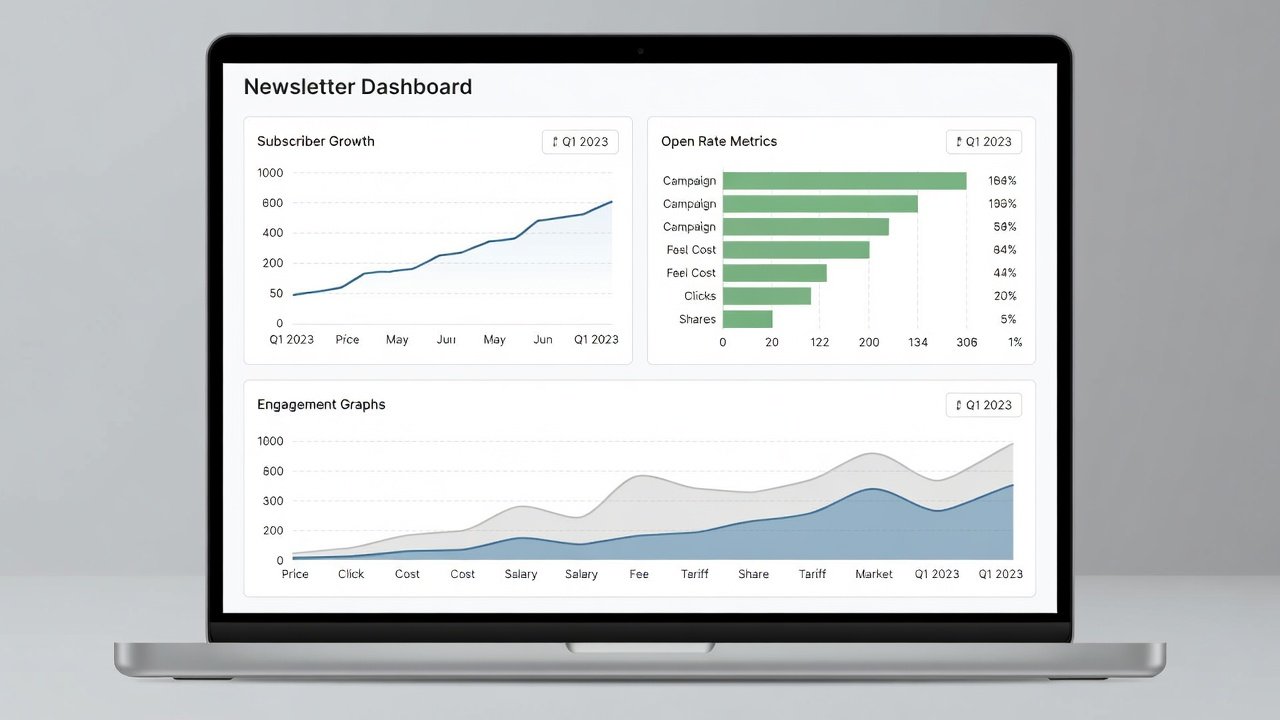
Track open rates, click-through rates, subscriber growth, and reply volume to refine your strategy. High engagement signals strong resonance with readers, including recruiters. Use platform dashboards to monitor which topics drive the most replies or shares. Set goals such as a 30% open rate benchmark and adjust content accordingly. Additional metrics include unsubscribe reasons and forward rates. Successful metrics often correlate with increased LinkedIn connection requests and direct recruiter outreach. Review performance monthly and experiment with subject line variations or content formats to improve results over time.
Real-World Examples of Job Seekers Who Secured Interviews
Consider Sarah, a data analyst who launched a newsletter on ethical AI practices. Within four months, she attracted attention from two tech recruiters who cited her insights during interviews, leading to a role at a major firm. Similarly, a project manager named Jamal used his newsletter on agile methodologies in remote teams to pivot into consulting offers after three months of consistent publishing. Another example is Priya, a sustainability consultant whose weekly newsletter on circular economy strategies resulted in multiple speaking invitations and a direct job offer from a green tech startup that discovered her through subscriber referrals. These cases highlight how consistent, value-driven content turns passive readers into active advocates and opens unexpected pathways.
Tips for Monetizing or Pivoting the Newsletter into Portfolio Pieces
Once established, your newsletter becomes versatile. Repurpose top issues into portfolio case studies or LinkedIn articles to strengthen applications. Some creators monetize through sponsorships or premium editions, though the primary goal remains career advancement. Pivot by archiving popular content into an ebook or presentation for networking events. Use standout editions as writing samples when applying for content-adjacent roles. Consider featuring anonymized reader questions to demonstrate problem-solving in real time, adding authenticity to your personal brand materials.
Addressing Common Pitfalls Like Consistency and SEO Optimization
Consistency is critical—missing deadlines erodes trust. Use scheduling tools to maintain cadence even during busy periods. For SEO, optimize titles and meta descriptions, and promote episodes on search-friendly platforms. Avoid generic content by focusing on original analysis rather than summaries. Regularly audit performance to eliminate underperforming formats. Another pitfall is neglecting mobile optimization; always preview issues on multiple devices. Finally, resist the urge to over-promote yourself—balance promotional elements with genuine value to retain subscribers long-term.
FAQs on Time Investment and Integration with Traditional Applications
How much time does running a newsletter require?
Expect 4-6 hours per week for research, writing, and promotion once established. Beginners may invest more upfront for setup and audience building. Batch content creation on weekends to streamline the process.
Can I combine this with traditional job applications?
Absolutely. Mention your newsletter in cover letters and LinkedIn profiles to provide evidence of thought leadership. It complements applications by offering recruiters deeper insight into your expertise without replacing standard materials.
What if my niche feels too narrow for growth?
Start narrow for authority and gradually expand based on reader feedback. Many successful newsletters began with hyper-specific topics before broadening slightly while retaining core focus.
Conclusion
Launching a niche newsletter in 2026 empowers job seekers to control their narrative and attract opportunities proactively. By following these steps—from niche selection to audience growth and measurement—you can transform a simple email list into a powerful career asset. Start small, stay consistent, and watch how targeted content opens doors that job boards alone cannot. The investment in building this channel pays dividends through visibility, credibility, and direct connections that accelerate your job search success.

No comments yet. Be the first!