 Jobboy
Introduction to Internal Talent Marketplaces in 2026
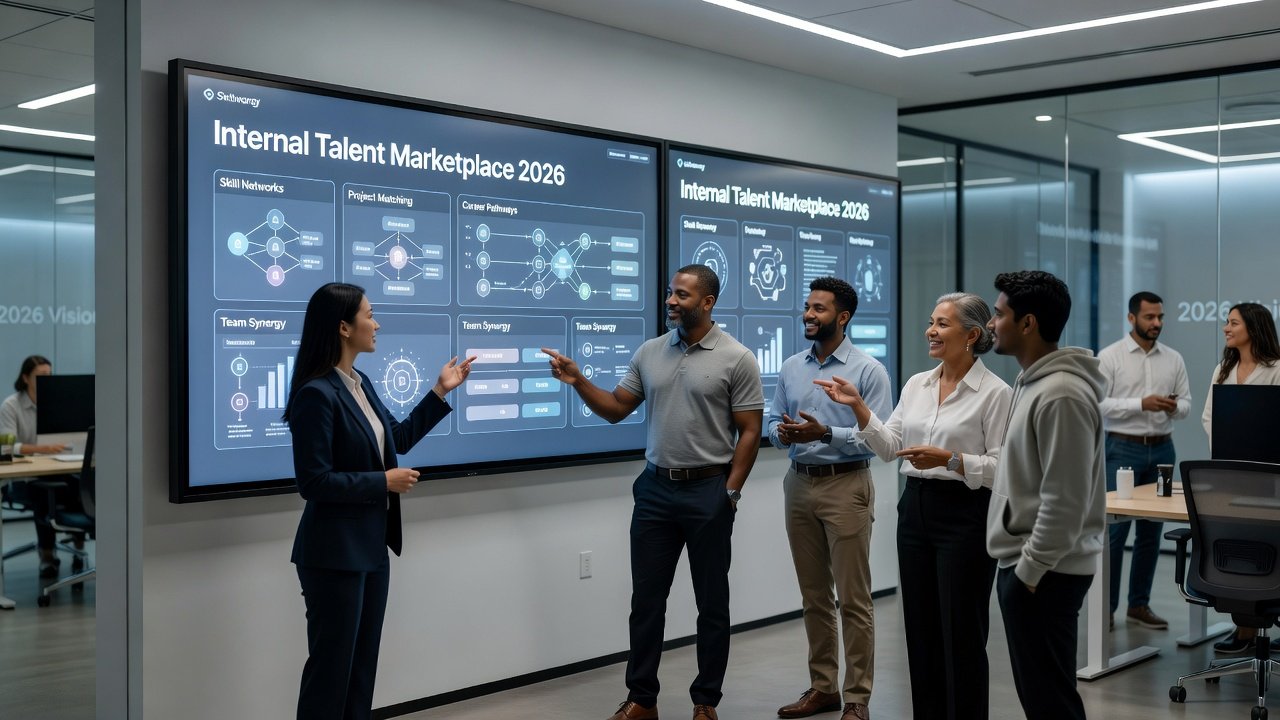
Internal talent marketplaces are digital platforms that connect employees with internal opportunities such as projects, roles, and mentorship programs. In 2026, these tools have become essential for organizations aiming to enhance employee mobility and reduce turnover. HR teams at mid-sized companies are increasingly adopting them to address skill shortages without relying solely on external hiring. The rise of hybrid work models and rapid technological changes has made it critical for businesses to retain top performers by offering clear pathways for growth within the company rather than losing them to competitors.
By facilitating internal movement, these marketplaces foster a culture of continuous development. This guide provides a comprehensive roadmap, covering everything from platform selection to measuring success. Organizations that embrace this approach often see improved innovation as employees bring diverse skills to new teams and projects.
Key Benefits of Implementing an Internal Talent Marketplace
Organizations using internal talent marketplaces report higher engagement levels. Employees gain visibility into opportunities that align with their career goals, leading to improved retention. Managers benefit from quicker access to internal talent pools, reducing time-to-fill for projects. For example, a marketing professional might discover a cross-functional project in product development that hones new skills without leaving the company.
These platforms also support diversity initiatives by surfacing hidden skills across the workforce. Research from leading HR bodies highlights how such systems can lower external recruitment costs over time. Additional benefits include enhanced knowledge sharing, reduced burnout from stagnant roles, and stronger alignment between individual aspirations and organizational needs. In practice, companies have noted that internal mobility can boost overall productivity as employees feel more valued and engaged in their work.
Selecting the Right Platform for Your Organization
Choosing a platform requires evaluating features like user-friendly interfaces, mobile accessibility, and scalability. Look for solutions that integrate seamlessly with existing systems and offer customizable matching algorithms. Popular options include those with strong AI capabilities for skill assessment. Key criteria should include ease of use for non-technical employees, robust reporting dashboards, and support for various opportunity types beyond just job postings, such as gig assignments or learning paths.
Consider factors such as data security, compliance tools, and vendor support. Pilot testing with a small team helps identify the best fit before full deployment. When evaluating vendors, request demos that simulate real scenarios like matching an employee with a leadership development opportunity. Mid-sized firms often prioritize platforms that offer flexible pricing models and strong customer success teams to guide implementation.
Integrating with ATS and HRIS Systems
Seamless integration with applicant tracking systems (ATS) and human resource information systems (HRIS) is critical. This ensures employee data flows accurately, enabling real-time updates on skills and performance. Common integrations involve APIs that sync profiles automatically. HR teams must work closely with IT to map fields like certifications, performance reviews, and tenure data to avoid silos that could undermine the marketplace's effectiveness.
Testing integrations thoroughly prevents disruptions during rollout. For instance, a successful integration might pull data from an HRIS to automatically update an employee's profile when they complete a training module. This level of connectivity allows the system to recommend opportunities based on the latest information, making matches more relevant and timely.
Leveraging AI-Powered Matching Features
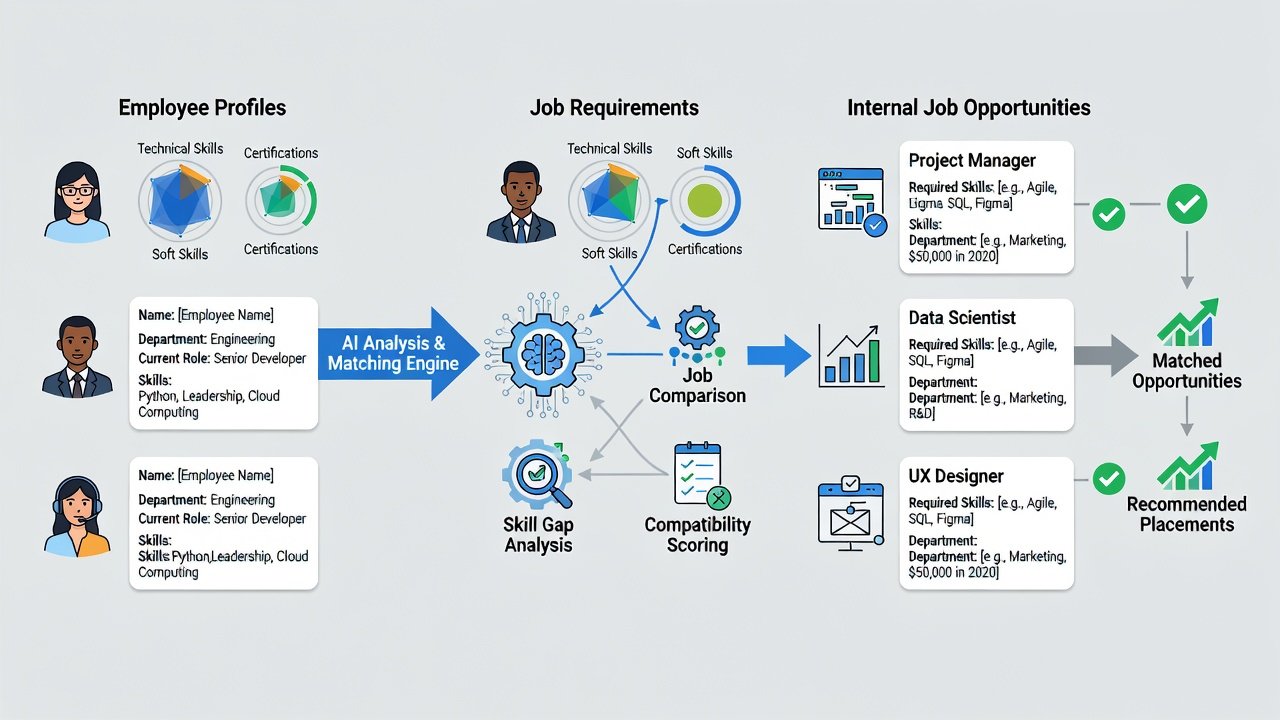
AI algorithms analyze employee skills, experiences, and preferences to suggest optimal matches for opportunities. In 2026, advanced natural language processing improves the accuracy of these recommendations. This reduces bias and uncovers talent that might otherwise be overlooked. AI can parse resumes, project histories, and even peer feedback to create comprehensive skill profiles.
Customization of AI models allows organizations to prioritize factors like career aspirations or team fit. Regular audits ensure the system remains fair and effective. Practical examples include using AI to match a software engineer with an internal consulting gig based on past contributions to similar initiatives. Over time, these features help build a more agile workforce capable of adapting to changing business demands.
Step-by-Step Rollout Plan
1. Assess organizational readiness by surveying employees and managers on current mobility practices, including barriers like lack of visibility into openings.
2. Define clear objectives, such as targeting a specific increase in internal mobility rates, and set timelines for each phase.
3. Select and configure the platform with necessary integrations, involving stakeholders from HR, IT, and department leads.
4. Train stakeholders through workshops, webinars, and detailed documentation that covers both technical use and change management.
5. Launch a phased pilot with one department before expanding company-wide, gathering feedback at each stage to refine the process.
6. Monitor feedback and iterate on the system based on usage data, adjusting matching criteria or user interface elements as needed.
This structured approach minimizes risks and builds momentum through early wins.
Real-World SMB Case Studies
A mid-sized tech firm implemented an internal marketplace and saw a notable rise in project-based mobility within six months. By allowing employees to apply for short-term assignments in different teams, the company reduced voluntary turnover and fostered innovation across departments. Another manufacturing company used the tool to identify cross-training opportunities, resulting in reduced skill gaps. Employees in production roles were matched with quality assurance projects, leading to better collaboration and process improvements.
These examples demonstrate how even smaller organizations can achieve meaningful outcomes with targeted strategies. A third case involved a professional services firm that integrated the marketplace with performance reviews, enabling proactive career conversations that increased internal applications by a significant margin.
Metrics for Measuring Success
Track mobility rates by monitoring the percentage of employees moving to new roles or projects internally. Turnover reduction is another key indicator, often measured through exit interview data and comparing pre- and post-implementation figures. Additional metrics include time-to-match for opportunities, employee satisfaction scores related to career development, and the diversity of participants in internal moves.
Regular reporting helps refine the approach. For example, analyzing which departments see the highest engagement can highlight areas needing more promotion of the platform. Organizations should also measure the quality of matches through post-opportunity surveys to ensure long-term satisfaction and skill development.
Addressing Common Challenges
Manager buy-in can be challenging; address it by demonstrating how the marketplace supports team goals rather than depleting resources. Provide managers with tools to track team participation and highlight success stories where internal mobility strengthened their groups. Skill gap identification improves with robust assessment tools and employee self-reporting features, combined with manager input to validate data.
Overcoming resistance involves transparent communication about benefits and providing support resources throughout the transition. Change management tactics such as executive sponsorship, regular town halls, and incentive programs for early adopters can accelerate adoption. Addressing concerns around fairness in matching algorithms through clear explanations and bias audits builds trust across the organization.
FAQs on Compliance and Scalability
How do internal talent marketplaces handle compliance? Platforms often include features aligned with labor regulations, such as equal opportunity tracking. Consult resources from U.S. Department of Labor for guidance on maintaining equitable access.
Can these systems scale for mid-sized organizations? Yes, many solutions are designed to grow with the company, supporting increased user volumes without performance issues. Scalability features often include cloud-based infrastructure and modular add-ons for advanced analytics.
What about data privacy? Ensure platforms comply with standards like GDPR or CCPA through built-in controls and regular security assessments.
How does the system handle manager approvals for internal moves? Most platforms include configurable workflows that require manager sign-off before finalizing matches, balancing employee autonomy with leadership oversight.
Conclusion
Implementing an internal talent marketplace in 2026 positions HR teams to drive meaningful employee mobility and retention. By following structured plans and leveraging AI, organizations can overcome challenges and achieve measurable success. For further insights, explore guidance from SHRM on talent management strategies.
No comments yet. Be the first!