 Jobboy

Introduction: From Freelance Gigs to Full-Time Stability
In 2026, gig economy platforms continue to serve as powerful entry points for job seekers aiming to secure permanent roles. Many professionals begin with short-term projects on sites like Upwork and Fiverr, then leverage those experiences to transition into full-time positions. This approach aligns with evolving hybrid work models where employers value demonstrated skills over traditional resumes. Search intent around this topic focuses on practical pathways: optimizing profiles to attract long-term clients, building relationships that lead to references, and spotting hidden full-time opportunities within gig ecosystems. The shift toward hybrid arrangements means companies increasingly test talent through freelance engagements before extending offers, creating a natural pipeline for dedicated workers.
Understanding platform dynamics is essential. Workers who treat gigs as strategic stepping stones rather than isolated tasks report higher success rates in converting temporary work into stable employment. Below we explore proven tactics, platform differences, real examples, checklists, and pitfalls to avoid, providing a complete roadmap for 2026 job seekers.
Optimizing Your Profile for Conversion Opportunities
A strong profile acts as your digital storefront and first impression. Start by crafting a headline that highlights both freelance expertise and career goals, such as "Digital Marketer | Helping Brands Scale | Open to Full-Time Roles in 2026." Use the bio section to showcase measurable results from past gigs while subtly signaling interest in ongoing collaborations that could evolve into employment. Include keywords relevant to your industry to improve search visibility within the platform algorithms.
Include a professional photo, detailed portfolio samples that demonstrate progression over time, and client testimonials. Update skills sections regularly to match trending demands in 2026 hybrid environments, such as remote collaboration tools and data analytics. This foundation helps algorithms surface your profile to clients who may later offer permanent positions. Consider adding a dedicated section in your overview that outlines your availability for long-term projects, which signals readiness for full-time transitions without appearing desperate.
Building Client Relationships That Lead to References
Successful transitions often stem from exceptional client service and consistent follow-through. Deliver beyond expectations on every project, maintain clear communication through weekly updates, and request testimonials after each completed milestone. Over time, repeat clients may prefer hiring you full-time rather than managing multiple freelancers for ongoing needs. Document every positive interaction in a personal log, including project outcomes and feedback received.
When a client mentions expanding their team or facing staffing challenges, ask directly about internal opportunities in a professional manner. Many workers report that consistent high-quality work on platforms has led to job offers within six to twelve months. Building these relationships also involves networking in platform communities and forums where clients discuss their hiring plans. Strong references from gig work can substitute effectively for traditional employment history during applications.
Identifying Full-Time Listings Hidden in Gig Ecosystems
Some platforms embed full-time postings within their job feeds through creative client phrasing. Search using keywords like "ongoing retainer," "long-term contract," or "staff augmentation" to uncover hybrid opportunities that start as freelance but lead to permanence. Set alerts for clients posting repeatedly, as frequent posters often convert top freelancers to employees after successful trial periods. Review client profiles for company size indicators, growth signals, and past hiring patterns to prioritize outreach.
Larger or scaling businesses frequently use gigs as trial periods before extending offers. Track client activity over weeks to identify patterns where initial small projects expand into full roles. This proactive approach turns the gig platform into a targeted job search tool rather than a random marketplace.
Comparing Platform Algorithms in 2026
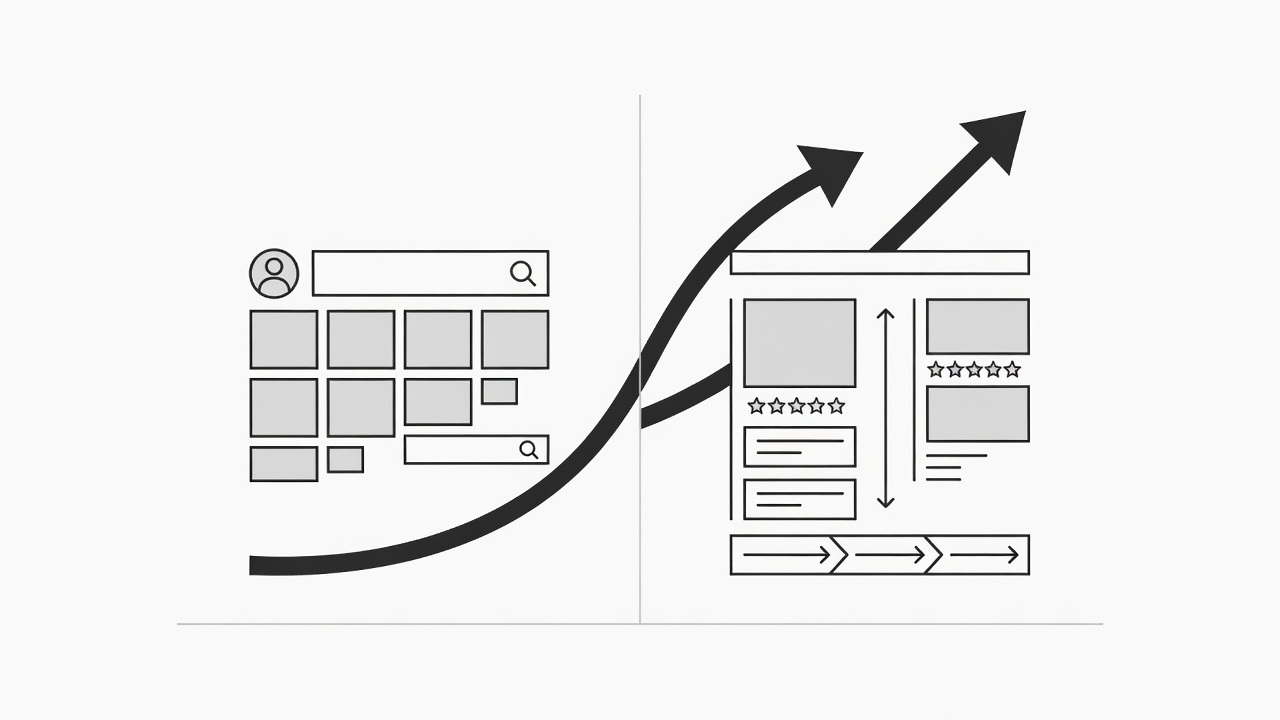
Upwork's algorithm prioritizes proposal quality, response time, and job success scores, favoring established profiles for premium listings that often include longer-term potential. Upwork rewards consistent performance with higher visibility, making it suitable for professionals building a track record toward employment. Fiverr emphasizes seller levels, gig performance metrics, and buyer reviews, making it ideal for niche specialists who build visible portfolios quickly and attract repeat business that converts to staff roles. Fiverr users benefit from strong categorization and package offerings that demonstrate scalability.
Other platforms vary in emphasis on location, availability, or niche expertise. Test multiple sites to understand which surfaces opportunities matching your transition goals, and adjust your activity based on which algorithm rewards your strengths most effectively in the current year.
Real-World Examples of Successful Pivots
One graphic designer began with logo projects on Fiverr, gradually securing retainer work from a startup that valued her consistent output. After six months of reliable delivery and iterative improvements, the company offered a full-time remote role with benefits. Similarly, a software developer used Upwork to complete app features for a growing tech firm, converting the relationship into an in-house position through demonstrated reliability and proactive problem-solving during the gig phase.
A content strategist started with blog writing assignments on Upwork for a marketing agency. By providing detailed strategy recommendations alongside deliverables, she was invited to join the team permanently after four months. These examples highlight how treating each gig as an extended interview increases conversion chances significantly.
Practical Checklist for Transitioning
- Update profile weekly with new achievements and refreshed keywords.
- Send personalized proposals highlighting long-term value and availability.
- Follow up with past clients quarterly about team expansions or new needs.
- Track all testimonials and outcomes in a dedicated document for easy reference.
- Network via platform communities and discussion boards for referrals.
- Review contract language for clauses about future employment possibilities.
- Monitor platform policy updates related to hybrid work models each quarter.
Common Pitfalls to Dodge
Avoid overcommitting to low-value gigs that dilute your brand and prevent focus on high-potential clients. Do not neglect contract terms that clarify future employment possibilities, as unclear agreements can create legal hurdles later. Steer clear of ignoring platform policy changes around 2026 hybrid trends, which may affect visibility and payment structures. Another common mistake is failing to diversify across platforms, leaving you vulnerable to algorithm shifts on a single site. Finally, rushing the transition conversation too early can damage relationships; time your discussions after several successful deliveries.
FAQ: 2026 Trends in Hybrid Work Models
How are gig platforms evolving for full-time transitions?
Platforms increasingly integrate talent-matching features that connect freelancers with companies seeking permanent hires, reflecting broader acceptance of hybrid arrangements. This evolution supports smoother pathways from project-based work to salaried roles.
What skills are most transferable in 2026?
Adaptability, remote collaboration tools, and industry-specific expertise remain top priorities for employers moving freelancers to staff roles. Continuous learning in these areas strengthens your position during conversions.
Can references from gigs replace traditional employment history?
Yes, detailed client references often carry equal or greater weight when they include quantifiable outcomes from project work, especially in hybrid-focused industries.
How should workers prepare for tax and benefit changes during transition?
Consult resources from the U.S. Department of Labor to understand shifts from self-employment to W-2 status, ensuring smooth financial planning.
Conclusion
Gig platforms offer strategic gateways to full-time roles when approached with intention and persistence. By optimizing profiles, nurturing relationships, monitoring for hidden opportunities, and avoiding common mistakes, job seekers can transform temporary work into lasting careers in the 2026 landscape. The key lies in consistent execution and viewing every project as a potential long-term connection.

No comments yet. Be the first!