 Jobboy

Introduction: Why Accountability Matters in the 2026 Job Market
Job searching in 2026 presents unique challenges, from evolving AI-driven hiring tools and automated resume scanners to a competitive landscape filled with remote opportunities and economic shifts. Many candidates struggle with consistency when applying solo, leading to burnout or stalled progress. An accountability group provides structure, motivation, and shared strategies to keep momentum high throughout the process. This comprehensive guide walks you through building or joining one effectively, covering every aspect from recruitment to long-term success.
Benefits of Joining or Forming a Group
Research from career platforms shows that structured peer support can improve application consistency by fostering regular check-ins and mutual encouragement. Groups help combat the isolation that often accompanies job hunting, provide constructive feedback on resumes and cover letters, and celebrate small wins that might otherwise go unnoticed. Compared to solo searches, participants often report higher networking activity and faster interview conversions because members share leads and hold each other accountable for follow-ups. In addition, these groups create a safe space for discussing rejections without judgment, turning setbacks into learning opportunities that accelerate personal growth.
Identifying Compatible Members
Start by reaching out in job seeker forums like Reddit's r/jobs or local meetups via Meetup.com. Look for 4-6 people in similar industries or career stages to ensure relevance in discussions. Compatibility factors include shared goals such as targeting tech roles or executive positions, availability for weekly calls, and a positive yet realistic mindset. Use LinkedIn groups or LinkedIn events to connect with professionals actively seeking roles. Consider diversity in experience levels within the group so newer job seekers can learn from those further along. Vet potential members through short introductory calls to gauge commitment and communication styles before finalizing the roster.
Setting Weekly Goals and Sample Group Agreements
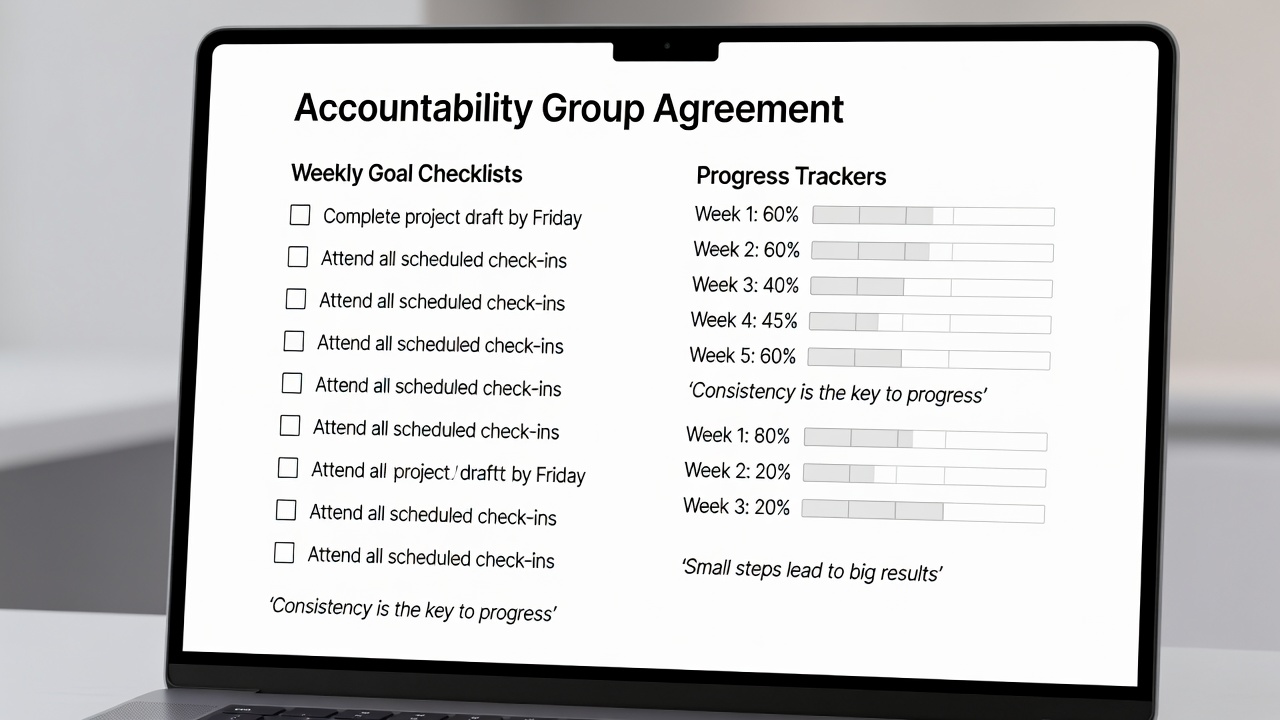
Establish clear expectations early to prevent misunderstandings later. Sample group agreements should cover confidentiality rules to protect sensitive career information, expected response times for feedback on applications, and a commitment to attend at least 80% of sessions. Goals might cover submitting 10 targeted applications weekly, attending two networking events, or updating LinkedIn profiles with new accomplishments. Use shared documents for tracking progress, such as spreadsheets that log applications sent, responses received, and interview outcomes. Review and adjust goals monthly based on group feedback to keep them realistic amid 2026 market fluctuations.
Structuring Virtual Check-Ins for Maximum Impact
Hold 45-60 minute weekly video calls using tools like Zoom or Google Meet. Begin each session with brief progress updates from every member, followed by discussions on challenges and collaborative brainstorming for solutions. Rotate facilitators to keep engagement high and distribute leadership responsibilities. Templates can include dedicated sections for wins, current blockers, and specific next-week targets. Incorporate time for skill-sharing, such as one member demonstrating effective LinkedIn messaging techniques. End sessions with accountability commitments that members report on in the following meeting.
Handling Motivation Dips with Shared Strategies
Everyone faces setbacks during extended job searches. Share proven strategies like mindfulness exercises, scheduled breaks for self-care, or celebrating micro-achievements such as completing a strong cover letter. Pair members for buddy check-ins between formal meetings to provide extra support during low periods. Real-world examples from past groups demonstrate that those normalizing vulnerability and openly discussing rejection see better retention rates and improved mental resilience. Members can also swap motivational resources or co-create vision boards that remind the group of long-term career aspirations.
Solo vs. Group Search Outcomes with Real-World Examples
Solo searches offer flexibility but often lead to procrastination and inconsistent effort over time. Groups provide external pressure and diverse perspectives that uncover blind spots in individual approaches. Data from career coaches indicates group participants land interviews 30% more frequently on average through collective networking tips and shared job alerts. For instance, one tech professional in a 2025 accountability cohort secured three interviews within two weeks after peers reviewed and refined his outreach messages, whereas his previous solo efforts yielded none. Another example involves a marketing specialist who credited weekly goal reviews for maintaining application volume during a slow hiring season.
Actionable Steps to Start Your Own Accountability Group
- Define your ideal group size, industry focus, and meeting frequency based on personal availability.
- Post clear recruitment messages in targeted forums and on professional networks, specifying desired commitment levels.
- Host a low-pressure trial session to test group dynamics and communication flow.
- Finalize agreements, select tools, and assign initial roles within the first week of formation.
- Schedule recurring meetings, distribute progress templates, and establish a system for ongoing feedback.
- Monitor group health monthly and make adjustments such as adding new members if someone exits.
Common Pitfalls to Avoid
- Overloading sessions with too much personal detail, which can derail productive discussions.
- Ignoring time zone differences for virtual groups spanning multiple regions.
- Failing to enforce commitment rules early, leading to uneven participation.
- Neglecting to rotate leadership roles, causing burnout for a single organizer.
- Allowing negative attitudes to dominate without redirecting to constructive problem-solving.
Recommended Tools and Resources
Beyond basic video platforms, consider integrating U.S. Department of Labor resources for labor market insights that inform group goal-setting. Free templates for progress tracking are widely available online, and many groups supplement meetings with shared cloud folders for document collaboration.
FAQ
How much time does a group require each week?
Expect 1-2 hours for the main meeting plus additional time for individual prep, goal tracking, and providing feedback to peers.
What virtual tools work best for remote groups?
Zoom or Microsoft Teams for calls, Google Docs or Notion for tracking templates, and Slack or Discord for quick updates between sessions.
Can I join an existing group instead of starting one?
Yes—search LinkedIn, local career centers, or community boards for open cohorts that match your industry and schedule.
How do I handle conflicts within the group?
Address issues promptly through a neutral facilitator, revisit the original agreement, and consider a group reset if tensions persist.
Conclusion
Building a job search accountability group in 2026 transforms isolated efforts into collaborative success. By following these detailed steps, you can create lasting momentum, avoid common obstacles, and achieve your career goals more efficiently than searching alone.

No comments yet. Be the first!