 Jobboy
Introduction
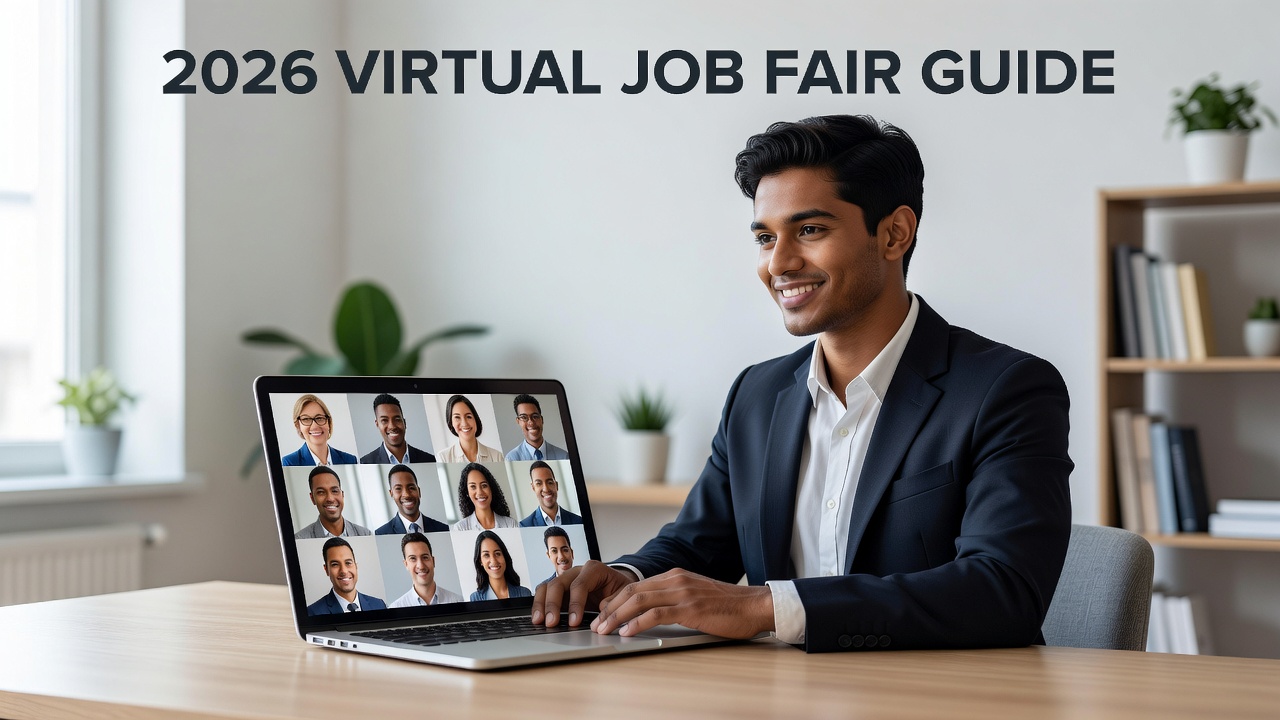
Virtual job fairs continue to serve as a powerful tool for job seekers navigating the evolving employment landscape in 2026. These digital events blend the accessibility of online platforms with the personal touch of live interactions, enabling candidates to engage directly with recruiters from multiple organizations without geographic constraints. Whether you are a recent graduate, a mid-career professional seeking new opportunities, or someone exploring remote roles, mastering virtual job fairs can significantly accelerate your job search. This comprehensive playbook outlines proven strategies for pre-event preparation, real-time engagement tactics, effective use of digital features, and post-event follow-up sequences designed to transform initial connections into meaningful interviews and job offers.
By combining traditional networking principles with 2026-specific digital tools, you can stand out in crowded virtual environments. Research indicates that proactive participants who prepare thoroughly see higher conversion rates from chats to interviews. Throughout this guide, you will find actionable checklists, sample scripts, platform comparisons, and troubleshooting advice to handle common challenges such as technical issues or sparse booth traffic.
Pre-Event Preparation: Building a Strong Foundation
Effective preparation begins at least one week before the event. Start by auditing and optimizing your online presence across professional networks. Your LinkedIn profile should reflect current achievements and skills relevant to 2026 hiring trends, including proficiency in emerging technologies and adaptability to hybrid work models. Update your headline to a compelling statement that captures your professional identity and target role.
Profile Optimization Checklist
- Review and refine your LinkedIn summary to include quantifiable accomplishments from the past two years.
- Upload a professional headshot and a custom banner image aligned with your industry.
- Ensure your resume is formatted for applicant tracking systems and customized for at least three target companies attending the fair.
- Prepare a digital portfolio or personal website link showcasing projects, case studies, or publications.
- Test all devices: confirm your webcam, microphone, and internet connection function smoothly on the event platform.
Conduct thorough company research using official websites and recent news. Identify key decision-makers, open positions, and organizational priorities. Create a prioritized list of ten to fifteen companies, ranking them by fit and interest level. This targeted approach prevents aimless browsing during the live event.
Crafting and Delivering Your Elevator Pitch
Your elevator pitch serves as the gateway to deeper conversations. In 2026, recruiters expect concise, value-driven introductions delivered within 30 to 45 seconds. Structure your pitch using the formula: current situation plus key achievement plus target role plus specific question. Here is a sample script for a marketing professional: “I currently lead digital campaigns at a mid-sized agency where I increased client engagement by 35 percent last quarter through data-driven content strategies. I am seeking opportunities in brand management at innovative companies like yours. Would you be open to a brief discussion about how my experience aligns with your upcoming product launches?” Practice this pitch aloud multiple times, recording yourself to refine tone and pacing. Prepare three variations tailored to different company sizes or industries.
Navigating the Live Event: Video Chats and Booth Strategies
Log into the platform 15 to 20 minutes early to familiarize yourself with the interface and resolve any last-minute technical concerns. Once the fair begins, follow your prioritized company list and join booths during peak recruiter availability, typically the first and last hours of the event. When entering a booth, greet the recruiter warmly, state your name and pitch briefly, then ask thoughtful questions based on your research.

Using Chat Features Effectively
Many platforms include persistent chat windows alongside video options. Use chat for initial introductions or when video slots are full. Keep messages under two sentences, include your name and a hook, and always propose a clear next step. For example: “Hi, this is Jordan Lee. I admired your company’s recent sustainability initiative. May I request a video slot or share my resume via email?”
Platform Comparisons for 2026 Events
Selecting the right platforms enhances your experience. LinkedIn Events offers robust integration with professional profiles and strong analytics for corporate fairs. Indeed Virtual Career Fairs provide broad accessibility and high volume for entry-level and mid-level roles. Glassdoor-hosted events emphasize employer reviews and transparent culture insights. Compare features such as video quality, chat persistence, mobile compatibility, and post-event reporting before registering. Test each platform’s demo mode in advance to avoid surprises.
Post-Event Follow-Up Sequences That Convert
The real work begins after the fair closes. Within 24 hours, send personalized LinkedIn connection requests referencing a specific discussion point. Follow up with a tailored email within 48 hours that restates your interest, attaches relevant materials, and suggests a 15-minute call. Track all interactions in a spreadsheet including date, contact name, channel, and outcome. A sample follow-up email subject line could be: “Follow-Up from Today’s Virtual Fair – Marketing Insights Discussion.” Consistent, value-added follow-ups dramatically increase response rates.
Success Metrics, Common Mistakes, and Advanced Tips
Track key performance indicators such as number of meaningful chats completed, follow-up response rate, and interviews scheduled. Aim for at least 20 quality interactions per event. Avoid common mistakes including generic pitches, neglecting to research companies, or failing to follow up promptly. Advanced participants set calendar reminders for follow-ups and request introductions from recruiters to hiring managers. Incorporate feedback from each interaction to refine future pitches.
FAQs: Handling Technical Glitches and Low Turnout
Q: What should I do if video freezes during a chat? Immediately switch to the chat function, apologize briefly, and offer to continue via email or reschedule. Q: How do I handle low turnout at a target booth? Use the downtime to refine your materials, visit secondary companies, or observe other candidates for inspiration. Preparation combined with flexibility turns potential setbacks into opportunities for standout professionalism.
Conclusion
Virtual job fairs in 2026 reward those who invest in preparation, deliver authentic engagement, and execute strategic follow-ups. By applying the checklists, scripts, and platform insights outlined in this playbook, you can maximize every interaction and convert digital connections into tangible career advancement. Start implementing these tactics today to gain a competitive edge in your next virtual event.

No comments yet. Be the first!