 Jobboy
Introduction: Why Cold Outreach Still Wins in 2026
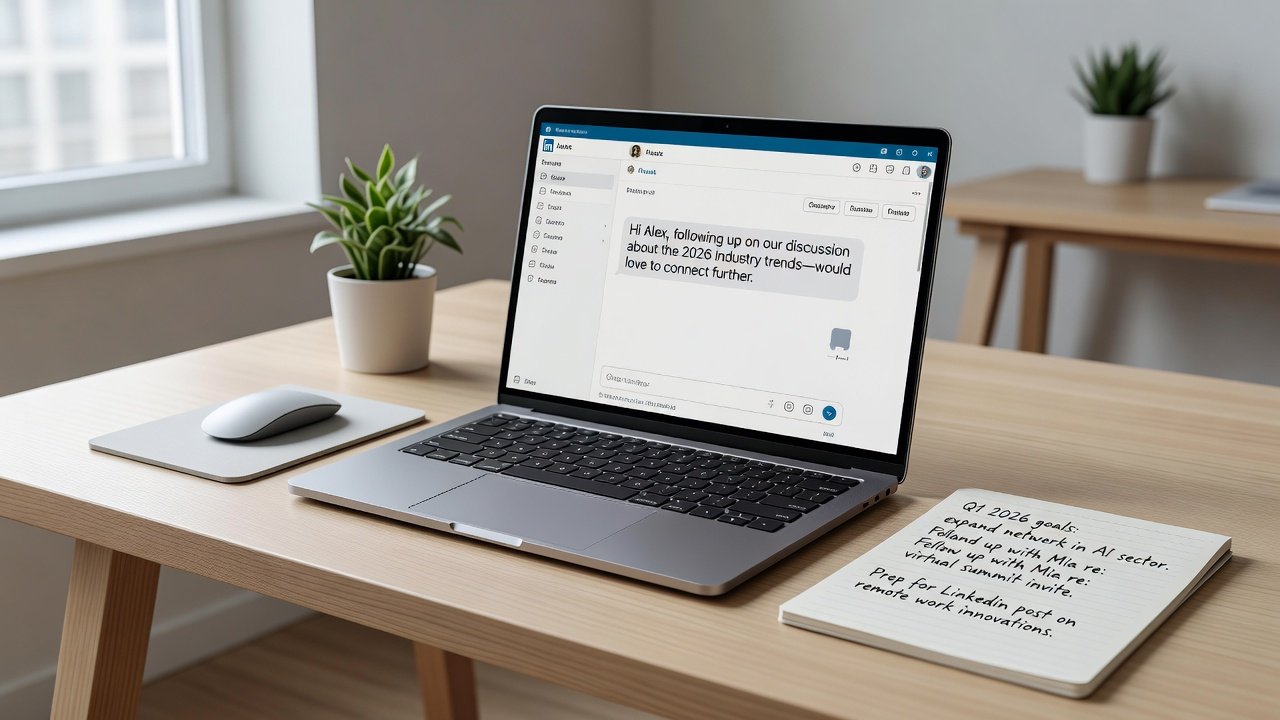
Job boards are crowded, but direct outreach remains one of the fastest paths to interviews. In 2026, successful candidates combine advanced LinkedIn search with multi-touch email sequences to reach hiring managers who never post publicly. This guide covers every step, from finding the right contacts to measuring results, so you can build a repeatable system that delivers interviews without burnout. Cold outreach works because it puts you in control of the conversation rather than waiting for postings to appear. Many roles are filled through internal referrals or direct applications that never reach public boards, making personalized DMs and emails a strategic advantage for proactive job seekers.
Identifying Decision-Makers with Advanced Search
Start by moving beyond basic title searches. On LinkedIn Sales Navigator or the free advanced search, filter by current company, past experience, and keywords such as “hiring” or “team lead.” Combine Boolean operators like “(engineering OR product) AND (manager OR director)” to surface true decision-makers. Export results into a CRM or spreadsheet and verify email addresses using tools that respect platform terms. This targeted list-building step prevents wasted messages and improves response quality. Cross-reference company websites and recent press releases to confirm the person still holds budget authority. Layer in location filters if you are targeting remote-friendly teams and exclude recruiters unless your goal is an introduction to a hiring manager.
Building Your Outreach Tech Stack
A solid tech stack multiplies results without extra manual effort. Use LinkedIn for discovery, a spreadsheet or Notion database for tracking, and an email tool like Gmail with templates or a dedicated platform for sequencing. Integrate a simple CRM to log every touchpoint and set reminders. Free options include Google Sheets paired with browser extensions for email finding. The key is choosing tools that sync across devices so you can review prospects during short breaks rather than dedicating full evenings to the process.
Crafting Personalized Messages with AI Assistance
AI tools help scale personalization without sounding robotic. Feed the model a short bio of the recipient plus one specific company insight, then ask it to generate three subject-line and body variations. Always edit the output to include a genuine detail only you noticed, such as a recent product launch. This hybrid approach keeps messages human while saving hours of writing time. Test prompts that instruct the AI to write in a conversational tone and reference the recipient’s recent activity. Review every draft for accuracy and remove any generic phrases that could apply to dozens of other companies.
Timing Strategies That Increase Open Rates
Data from 2026 shows Tuesday through Thursday between 8 a.m. and 10 a.m. local time for the recipient yields the highest open rates. Avoid Monday mornings and Friday afternoons when inboxes are overloaded. For LinkedIn DMs, send between 9 a.m. and 11 a.m. when professionals check notifications during their first coffee break. Schedule sequences in advance so follow-ups land on optimal days even if you are offline. Consider time zones carefully when targeting international companies and test sending windows across different regions to refine your own schedule.
Follow-Up Cadences That Convert
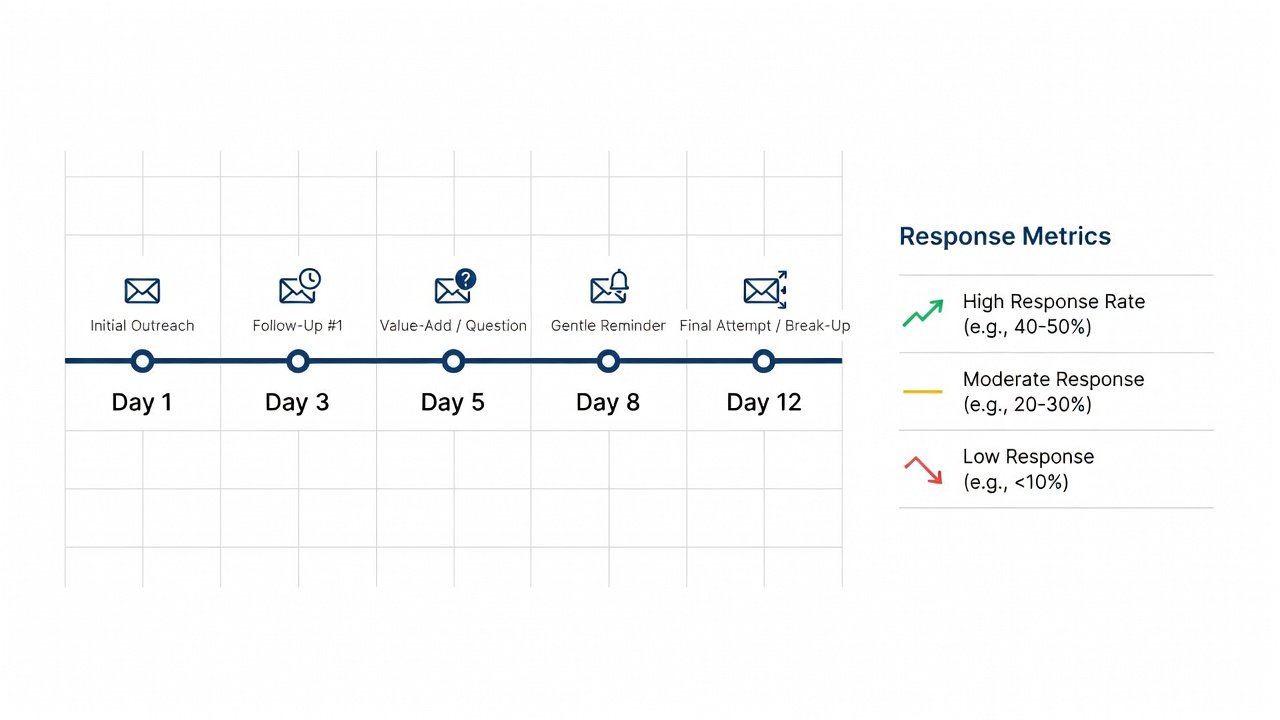
A proven five-touch cadence works well: Day 0 (initial message), Day 3 (value-add follow-up), Day 7 (light check-in), Day 14 (case study or insight), and Day 21 (final polite close). Keep each message under 80 words and end with a single, low-friction question. This rhythm respects the recipient’s time while staying top of mind. Space messages evenly so recipients do not feel pressured, and always reference the previous touch to maintain continuity. If you receive any reply, pause the automated sequence immediately and respond personally within 24 hours.
Real Message Templates You Can Adapt
- LinkedIn Connection Request: “Hi [Name], I noticed your team’s recent expansion into AI tooling. I helped a similar-scale team cut deployment time by 40 %. Would you be open to a quick chat about how we achieved it?”
- Email Subject Line A: “Quick question about your 2026 hiring plans”
- Email Body A: “Hi [Name], I saw your team is scaling the product org. I recently led a project that reduced onboarding time from six weeks to two. Happy to share the playbook if useful. Best, [Your Name]”
- Follow-up Subject Line: “Following up on my note about onboarding efficiency”
- Follow-up Body: “Hi again [Name], I wanted to share a one-page summary of the process we used. No pressure to reply, but it might be relevant for your current team growth.”
A/B Test Examples and Results
Test subject lines that mention a specific metric versus those that reference a shared connection. In one 2026 campaign, the metric-focused line achieved a 28 % open rate while the connection line reached 19 %. Always run tests with at least 50 recipients per variant and track opens, replies, and meetings booked. Document winners in a shared spreadsheet for future campaigns. Rotate elements such as length, emoji use, and call-to-action phrasing to discover what resonates with your target audience over time.
Compliance Tips for LinkedIn and Email Platforms
Stay within LinkedIn’s daily connection limits (around 100–150) and avoid generic copy-paste messages that trigger restrictions. For email, use a professional domain rather than free accounts and include a one-click unsubscribe footer. These practices keep accounts in good standing and protect deliverability. Review LinkedIn’s official guidelines regularly for updates. Additional best practices appear in HubSpot email marketing resources.
Metrics to Track and How to Measure ROI
Track open rate, reply rate, positive reply rate, and meetings booked per 100 messages sent. Aim for a 15–20 % open rate and 3–5 % reply rate as benchmarks. Calculate ROI by dividing the number of interviews generated by total hours spent on outreach. If you spend 10 hours and land three interviews, your cost per interview is roughly 3.3 hours. Review these numbers weekly and adjust volume or messaging accordingly. Additional guidance on email performance can be found at Mailchimp resources. Set up a simple dashboard in your spreadsheet to visualize trends across weeks rather than relying on memory alone.
Common Pitfalls and How to Avoid Spam Filters
Spam filters flag messages with excessive capitalization, too many links, or identical copy sent to many recipients. Rotate subject lines, personalize the first sentence, and limit links to one per message. Warm up new email domains gradually by sending fewer than 20 messages per day for the first week. These small habits dramatically improve inbox placement. Another frequent mistake is sending messages that sound overly salesy; focus instead on offering value or insight first. If your reply rate drops below 2 %, pause outreach and audit your list for relevance before continuing.
FAQ: Scaling Outreach Without Burnout
How many messages should I send daily?
Start with 20–30 high-quality messages and increase only after maintaining a consistent reply rate above 3 %.
Is it okay to use automation tools?
Light automation for scheduling is fine, but never use bots that send identical messages or bypass platform limits.
What if I receive no replies after two weeks?
Review your list quality and message personalization first. Then test a new subject line or value proposition before increasing volume.
How do I stay motivated during long campaigns?
Batch research on Mondays, write messages on Tuesdays, and review metrics on Fridays. This rhythm prevents daily fatigue.
Should I customize every single message?
Yes for the first line and any specific reference, but you can reuse a core structure for the rest of the body to maintain efficiency.
How do I handle negative or no responses?
Thank them politely for their time and remove them from future sequences. Never argue or push for a reply.
Conclusion
Cold outreach in 2026 rewards precision over volume. By combining advanced search, AI-assisted personalization, disciplined cadences, and careful compliance, job seekers can consistently bypass job boards and land interviews directly with decision-makers. Track your metrics, refine your templates, and treat outreach as a measurable skill rather than a numbers game. The candidates who master these steps will continue to outperform those relying solely on applications. Start small, iterate quickly, and build momentum through consistent daily action.

No comments yet. Be the first!