 Jobboy

Introduction: Turning Interview Rejection into Career Momentum
Job interview rejection remains one of the most common yet emotionally challenging experiences for professionals in 2026. Whether you are a recent graduate or a seasoned expert, receiving a polite "we have decided to move forward with other candidates" email can trigger self-doubt. This guide provides a structured recovery framework that helps you process the experience, extract valuable insights, and accelerate toward your next opportunity. Rejection does not define your capabilities; instead, it offers data points for refinement when approached with the right mindset and tools.
Recognizing Common Rejection Reasons Without Self-Blame
Rejection rarely reflects your entire worth as a candidate. Typical factors include mismatched company culture, budget constraints, or internal candidates already in the pipeline. Instead of internalizing failure, review the role description against your application to identify objective gaps. This neutral analysis prevents rumination and shifts focus toward actionable improvements. Common reasons also encompass timing issues, such as the position being placed on hold, or subtle mismatches in communication style during the conversation. By listing these possibilities objectively, you detach personal value from the outcome and maintain professional confidence.
Emotional Recovery: Practical First Steps
Allow yourself 24 to 48 hours to feel the disappointment fully. Journal your immediate thoughts without judgment, then schedule a non-work activity that restores energy. Many candidates find that physical exercise or time with supportive friends accelerates emotional reset. Remember that resilience builds through repeated exposure to setbacks, not avoidance. Incorporate mindfulness techniques such as deep breathing exercises or short meditation sessions to regulate stress hormones. Reach out to a trusted mentor for perspective rather than sympathy alone. This phase is critical because unprocessed emotions can leak into future interviews through reduced enthusiasm or defensive body language.
Analyzing Feedback Constructively
When recruiters provide feedback, treat it as data rather than criticism. Categorize comments into skill gaps, presentation issues, or experience shortfalls. If no feedback arrives, send a polite thank-you note requesting one brief insight. This demonstrates professionalism and often yields useful responses. Break down feedback into categories like technical knowledge, behavioral examples, or cultural fit. Cross-reference multiple rejections to spot recurring themes. For instance, if three interviewers mention insufficient leadership examples, prioritize building those stories with specific metrics from past roles.
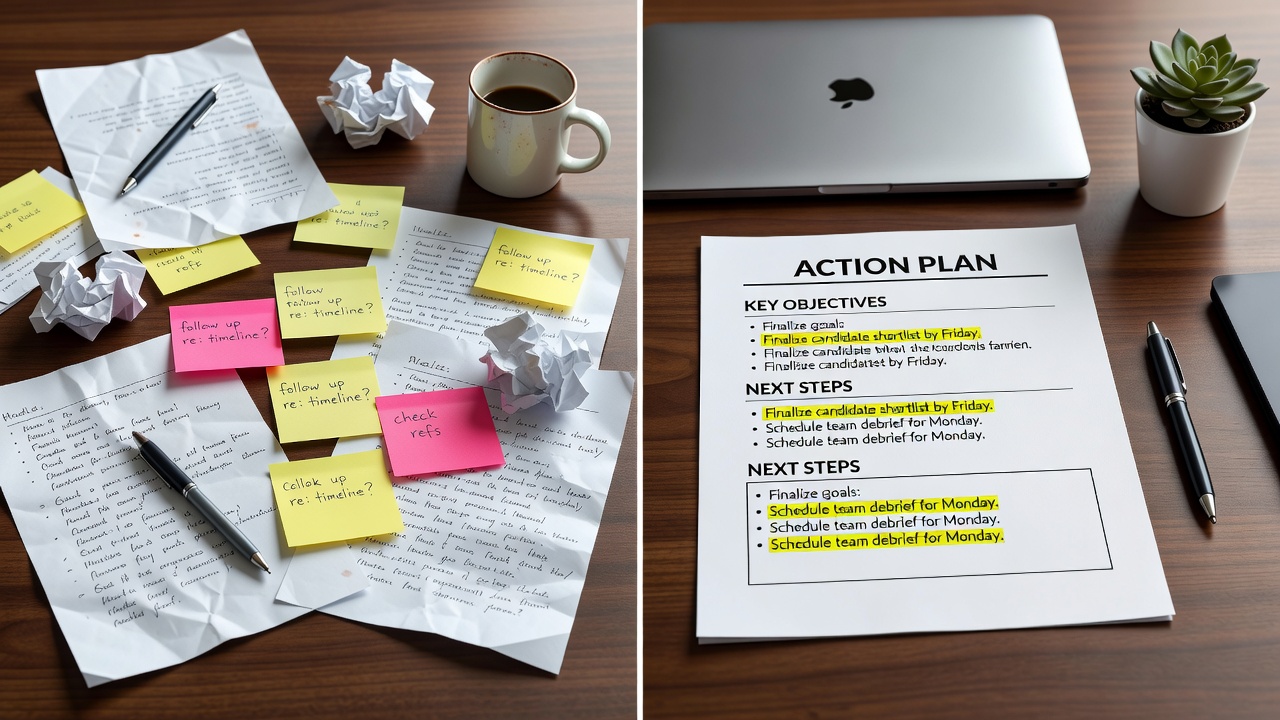
Creating Your Personalized Action Plan
Develop a 30-day recovery roadmap with measurable goals. Week one focuses on skill audits and targeted learning. Week two involves mock interviews with mentors. Subsequent weeks emphasize application volume and networking touchpoints. Track every activity in a simple spreadsheet to visualize progress. Include contingency plans for unexpected delays, such as industry slowdowns. Revisit the plan weekly and adjust based on new feedback or market conditions. This structured approach turns vague intentions into concrete daily actions that compound over time.
Step-by-Step Recovery Framework
- Document the interview timeline and your perceived performance.
- Identify three specific skills to strengthen based on feedback or self-assessment.
- Schedule two informational interviews per week with professionals in your target field.
- Update your resume and LinkedIn profile with any new insights.
- Set a weekly application target that balances quality and quantity.
- Review recorded mock interviews to refine delivery and body language.
- Celebrate small wins such as positive recruiter responses to maintain motivation.
Mindset Shifts That Support Long-Term Success
Adopt a growth-oriented perspective by reframing rejection as market research. Successful candidates view each interview as practice that refines their narrative. Compare this to unsuccessful follow-ups that often lack personalization or fail to address interviewer concerns directly. Practice positive self-talk by listing three strengths after every rejection. Visualize successful outcomes during preparation to build confidence. Over time, this mental shift reduces the emotional weight of each no and increases persistence in a competitive job market.
Networking for Fresh Opportunities
Leverage existing connections and expand strategically. Reach out to former colleagues with a concise update on your search rather than a request for favors. Attend industry webinars and follow up with thoughtful questions. Platforms such as LinkedIn facilitate these conversations efficiently. Join professional associations and participate in virtual events to meet hiring managers informally. Maintain a networking log to track follow-ups and relationship strength. Consistent, value-first interactions often lead to referrals that bypass traditional application portals.
Tracking Progress with Measurable Goals
Define success beyond offers received. Measure metrics such as response rates, interview-to-application ratios, and self-rated confidence scores after each conversation. Review these numbers monthly and adjust your approach accordingly. Use free tools like spreadsheets or apps to log data points. For example, aim for a 20 percent improvement in interview callback rates within two months by refining your application materials. Regular reviews reveal patterns invisible in the moment and keep motivation high through visible progress.
Real-World Candidate Examples
Consider Maya, a marketing manager who received three consecutive rejections. After analyzing patterns, she realized her answers lacked quantifiable results. She revised her stories using specific metrics and secured an offer within six weeks. Another candidate, Jamal, faced repeated technical interview failures. He joined online coding communities, practiced daily challenges, and landed a role after demonstrating improved problem-solving during follow-up interviews. In contrast, a third individual sent generic follow-up emails that failed to reference interview discussions, resulting in no callbacks and prolonged unemployment.
Comparisons of Successful vs. Unsuccessful Follow-Ups
Successful follow-ups thank the interviewer, restate one key alignment point, and offer additional information. Unsuccessful ones are vague, overly long, or sent too late. Aim to send your note within 24 hours while the conversation remains fresh. Include a subtle question to keep dialogue open. Track which follow-up styles correlate with future opportunities to refine your approach continuously.
Handling Multiple Rejections and Building Endurance
When rejections accumulate, reassess your target roles and salary expectations without lowering standards prematurely. Diversify your search across industries or contract positions to gain momentum. Create a support system of peers who share similar experiences for accountability and encouragement. This endurance phase often separates those who succeed from those who pause their search indefinitely.
FAQ: Common Concerns About Timing the Next Application
How soon should I apply after rejection?
Resume applications immediately, but give yourself time to incorporate lessons before the next interview. Quality preparation outweighs speed. Many experts recommend waiting at least one full day to process emotions before submitting new materials.
Should I reapply to the same company later?
Yes, if your skills have demonstrably improved and the role aligns with your updated profile. Reference previous conversations positively and highlight growth areas addressed since the last interaction.
What if rejections keep happening?
Evaluate whether the roles truly match your strengths. Consider working with a career coach or joining professional associations for additional support. Review resources from authoritative sites such as Indeed for updated interview strategies.
How do I stay motivated during long searches?
Set micro-goals like completing one learning module daily and reward consistent effort rather than outcomes alone. Track non-application wins such as new connections made.
Conclusion: Building Lasting Career Resilience
Overcoming job interview rejection in 2026 requires a deliberate blend of emotional care, analytical review, and consistent action. By following the frameworks outlined above, you transform setbacks into stepping stones. Stay patient, track your growth, and maintain forward momentum. Your next opportunity is closer than it appears when you treat every experience as valuable preparation.


No comments yet. Be the first!