 Jobboy

Introduction
In the competitive 2026 job market, standing out requires more than strong qualifications. Candidates must demonstrate polished communication, confident body language, and well-structured responses under pressure. Video self-review has emerged as an essential technique for interview preparation, allowing individuals to objectively assess their performance and make targeted improvements. By recording mock interviews and analyzing the footage, job seekers can identify subtle issues that are difficult to notice in real time. This comprehensive guide explores practical setup methods, detailed analysis techniques, recommended tools, measurable metrics, and real-world transformations to help you master video self-review for 2026 opportunities.
Setting Up Effective Self-Recordings
Effective self-review begins with high-quality recordings. Select a quiet, well-lit space with a neutral background to minimize distractions. Position your camera or smartphone at eye level using a tripod or stack of books to simulate direct eye contact. Test lighting by facing a window or using a ring light to avoid shadows on your face. Record in a format that allows easy playback, such as MP4. Prepare a list of common interview questions drawn from industry resources and simulate full sessions lasting 20 to 30 minutes. Include behavioral, situational, and technical questions relevant to your target role. Record both solo practice and sessions with a friend acting as interviewer for added realism. Repeat recordings weekly to build a library of progress footage.
Analyzing Delivery, Body Language, and Answer Structure
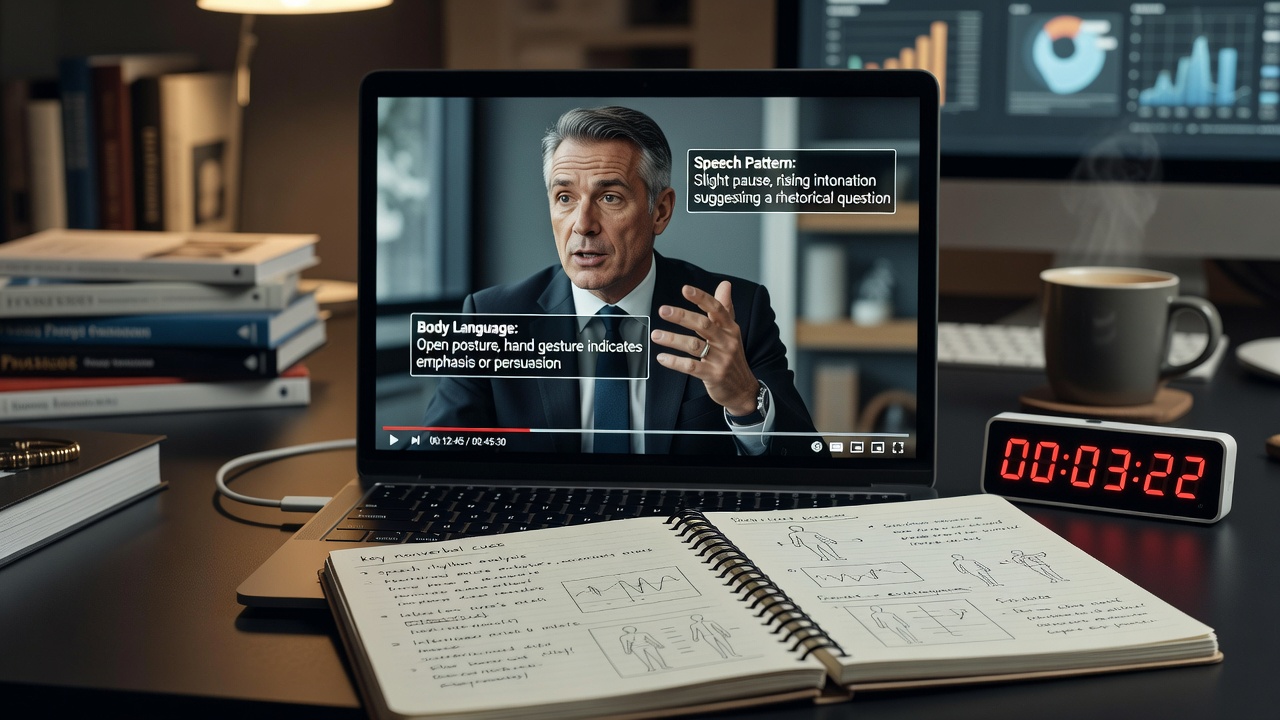
Once recorded, review the footage systematically. First, watch without pausing to note overall impressions. Then replay sections focusing on delivery: count filler words such as "um," "like," or "you know," and measure speaking pace by timing answers. Aim for a moderate pace that allows clarity without rushing. Next, examine body language by observing posture, hand gestures, facial expressions, and eye contact with the camera. Slouching or excessive fidgeting can undermine confidence. Finally, evaluate answer structure using frameworks like STAR (Situation, Task, Action, Result). Check whether responses are concise yet complete, with clear openings, supporting details, and strong conclusions. Note areas where answers wander or lack quantifiable achievements.
Tools for Playback Analysis
Several tools enhance playback and analysis. Free options include your device's built-in video editor for slow-motion review and VLC Media Player for frame-by-frame playback and speed adjustment. Basic phone voice memos can help isolate audio issues. For deeper insights, paid platforms like Otter.ai offer automated transcription with timestamps, allowing you to search for specific phrases. Other options include video editing software such as DaVinci Resolve for free advanced features or subscription services providing AI-driven feedback on tone and pace. Free methods suit beginners building foundational awareness, while paid tools accelerate improvement for those preparing for high-stakes interviews. Choose based on your budget and goals, starting simple before investing.
Metrics to Track Improvement
Tracking concrete metrics turns subjective review into measurable progress. Log the number of filler words per minute, average answer length in seconds, and a self-rated confidence score from 1 to 10 after each session. Monitor body language indicators such as instances of crossed arms or averted gaze. Create a simple spreadsheet to record these weekly and calculate trends, targeting a 20 percent reduction in fillers after three sessions. Compare early and recent recordings side by side to visualize growth in structure and energy. Consistent tracking reveals patterns, such as longer answers during technical questions, enabling focused practice on brevity.
Real-World Examples of Transforming Responses
Consider a candidate preparing for a marketing role who initially gave a rambling two-minute response to "Tell me about yourself." After video review, they restructured it into a 60-second narrative highlighting career progression, key skills, and enthusiasm for the role, resulting in more engaging mock interviews. Another example involves a software engineer whose weak posture and minimal gestures made them appear disengaged. Through repeated recordings, they adopted upright seating and purposeful hand movements, transforming feedback from "seemed uninterested" to "confident and articulate." These transformations demonstrate how small, video-identified adjustments yield significant results in actual interviews.
Comparison of Free Versus Paid Review Methods
- Free methods rely on manual note-taking and basic playback, fostering deep self-awareness but requiring more time and discipline.
- Paid methods deliver automated transcripts, speech analytics, and progress dashboards for faster iteration, though they involve subscription costs.
- Hybrid approaches combine free recording with selective paid analysis for key sessions, balancing thoroughness and efficiency.
Step-by-Step Framework for Weekly Review Sessions
Implement a repeatable framework: Day 1 involves recording three mock interviews. Day 2 focuses on delivery analysis with metric logging. Day 3 addresses body language and structure revisions. Day 4 includes re-recording improved answers. Day 5 compares old and new footage for insights. This cycle builds momentum and prevents stagnation.
Common Pitfalls and How to Avoid Them
Many candidates over-critique every detail, leading to discouragement. Limit reviews to two or three focus areas per session. Technical issues like poor audio are common; always test microphones and use external options if needed. Avoid reviewing when fatigued, as bias can distort perceptions. Instead, schedule sessions during peak energy times.
FAQs
How do I avoid over-critiquing my performance?
Focus on 2-3 key areas per review session and celebrate small wins to maintain motivation. Set a timer for analysis to prevent endless looping.
What technical issues commonly arise during setup?
Poor lighting and audio can be fixed with ring lights and external mics; test equipment beforehand and review a short test clip immediately.
Can video self-review replace professional coaching?
It complements coaching effectively but works best when combined with external feedback for complex roles.
Conclusion
Video self-review equips candidates with actionable insights for 2026 interviews by revealing hidden weaknesses and accelerating skill development. Implement this step-by-step approach consistently to build confidence and deliver standout performances. For additional career resources, explore LinkedIn and Indeed for job market trends and preparation guides.

No comments yet. Be the first!