 Jobboy
Introduction: Why ESG Alignment Matters in 2026 Hiring
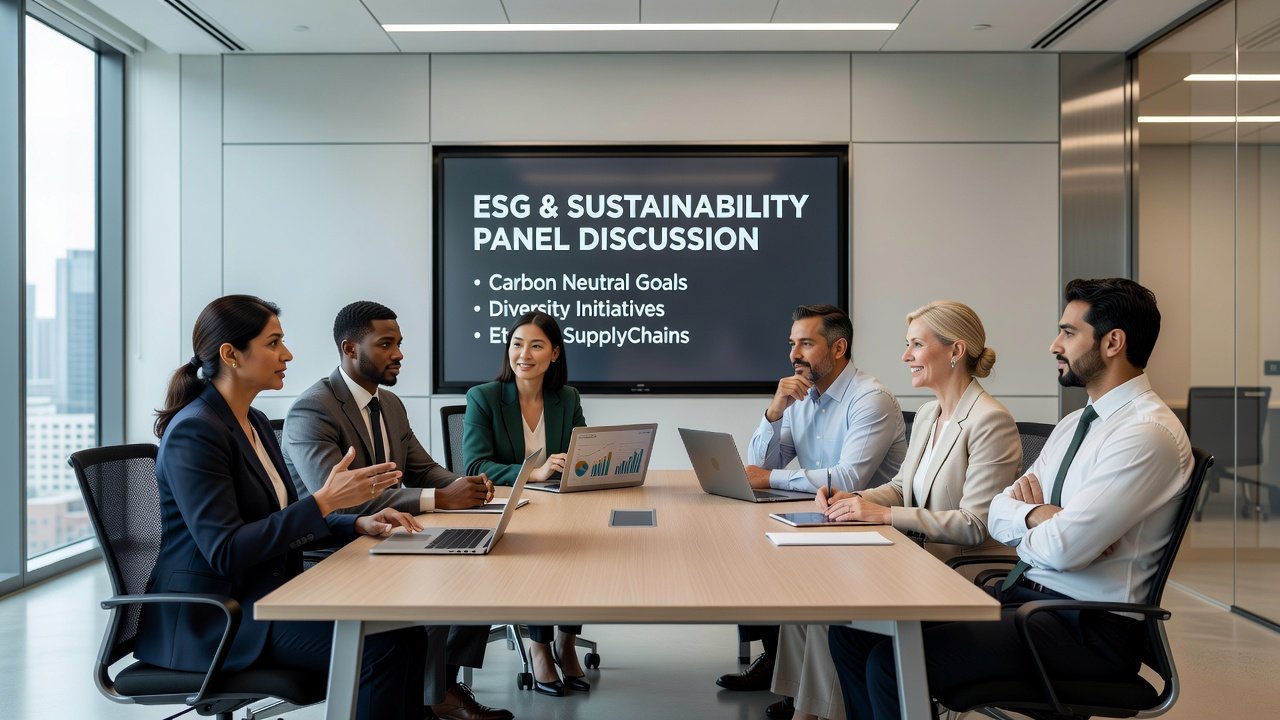
In today’s values-driven job market, employers increasingly evaluate candidates on their alignment with environmental, social, and governance (ESG) principles. Mastering ESG alignment questions helps you stand out by demonstrating how your personal ethics connect directly to corporate sustainability targets. This guide delivers advanced tactics, including deep research methods, response frameworks, and industry-specific examples from tech and finance. As companies face growing pressure from investors, regulators, and consumers to demonstrate measurable progress on sustainability, interviewers use these questions to identify candidates who can contribute to long-term value creation rather than short-term gains.
Understanding ESG Principles and Their Interview Relevance
ESG encompasses environmental stewardship such as carbon footprint reduction and resource conservation, social responsibility including diversity equity and inclusion initiatives, and strong governance practices like ethical leadership and transparent reporting. Interviewers probe these areas to assess cultural fit and long-term thinking. Candidates who prepare with specific data from company reports build stronger credibility than those offering generic statements about caring about the planet. In 2026, many organizations tie executive compensation to ESG performance metrics, making your ability to discuss these topics a direct signal of your readiness to support business strategy.
Researching Company ESG Reports and DEI Metrics Effectively
Begin by downloading the latest sustainability reports from target organizations. Analyze key performance indicators such as carbon reduction targets, supplier diversity percentages, and board independence ratios. Cross-reference these with public DEI dashboards to identify gaps you can address in your answers. This preparation allows you to reference concrete metrics rather than vague enthusiasm. For example, if a company reports a 25 percent reduction in Scope 1 emissions over the past two years, prepare to explain how your previous role in operations could accelerate similar outcomes. Supplement report reading with news on recent controversies or achievements and review third-party ratings from agencies that evaluate corporate responsibility. Authoritative sources like the Global Reporting Initiative provide standardized frameworks that help decode report language quickly. Additionally, consult the United Nations Sustainable Development Goals site to map company initiatives against global benchmarks.
Proven Response Frameworks for ESG Questions
Use the STAR-ESG method: Situation, Task, Action, Result, and ESG Impact. Structure every answer to include a quantified outcome tied to sustainability or equity goals. For instance, describe a past project where you reduced resource waste by a measurable percentage while advancing team inclusion metrics. Expand this by always ending with forward-looking language that connects your experience to the company’s published 2026 targets. Practice delivering answers in under two minutes while weaving in at least one specific number or percentage from your research.
Ethical Dilemma Scripts and Examples
When faced with hypothetical conflicts between profit and principles, employ a clear decision tree. Outline the values at stake, stakeholder impacts, and your proposed resolution that prioritizes long-term ESG outcomes. Practice scripts that acknowledge trade-offs while committing to transparent reporting. One effective script begins with acknowledging the tension, presents two or three options considered, explains the chosen path using data, and concludes with lessons learned and how you would apply them at the new organization. Another approach involves referencing real-world cases such as supply chain decisions involving labor standards in emerging markets.
Weak vs Strong Answers: Tech and Finance Comparisons
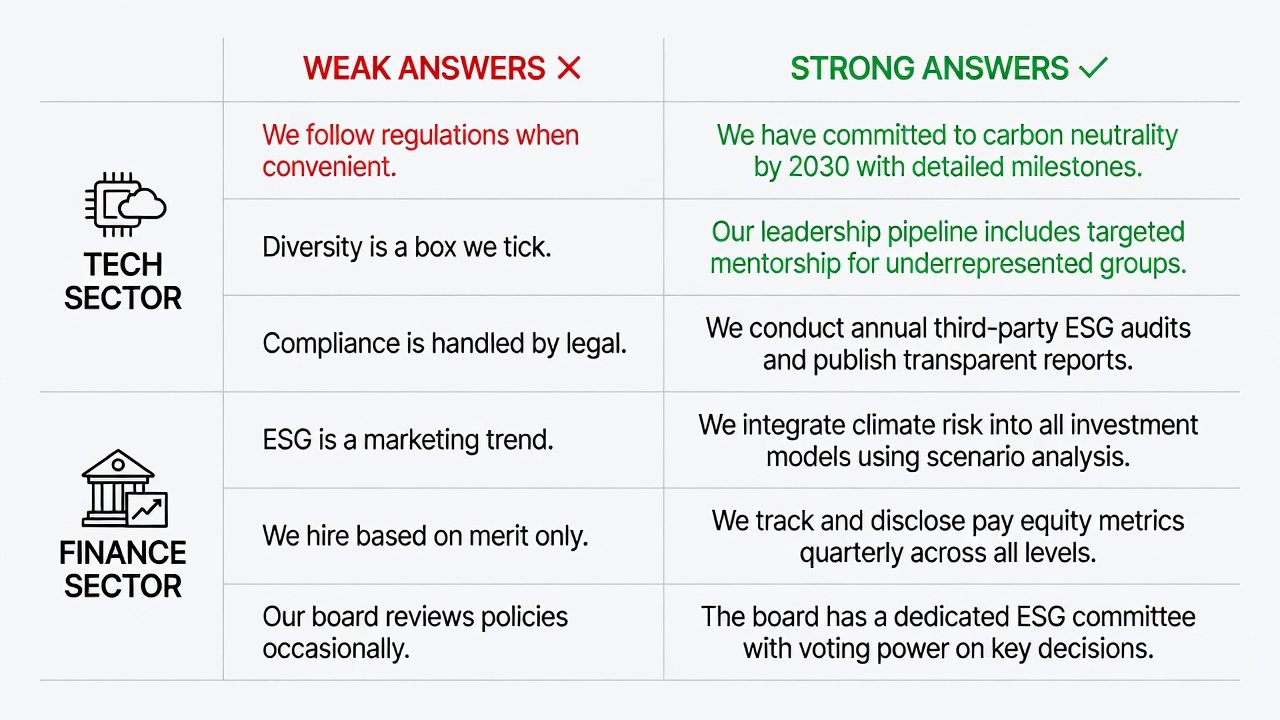
- Tech industry example: A weak answer focuses only on personal passion for green tech without specifics. A strong answer cites specific company Scope 3 emissions data and proposes integration of AI tools to optimize supply chain efficiency while improving accessibility for underrepresented developers.
- Finance industry example: A weak answer mentions general interest in responsible investing. A strong answer references the firm’s latest sustainable finance targets as of late 2026 and shares a personal example of applying ESG screening criteria to portfolio decisions that improved risk-adjusted returns.
- Additional healthcare sector comparison: Weak responses discuss broad interest in patient equity. Strong responses reference the organization’s community health metrics and describe a prior initiative that increased access to care in underserved populations by 15 percent.
Integrating AI Ethics and Climate Impact Into Responses
Modern ESG discussions frequently include AI governance and climate resilience. Prepare examples showing how you evaluated algorithmic bias in previous roles or contributed to net-zero roadmaps. Tie these to the company’s published climate commitments for maximum relevance. Practical integration steps include reviewing the company’s AI ethics policy, identifying one potential risk area such as data privacy in machine learning models, and preparing a concise proposal for mitigation. For climate impact, link personal actions like leading a remote-work carbon reduction program to the organization’s science-based targets. This demonstrates both technical awareness and strategic thinking valued in 2026 interviews.
Practical Steps to Prepare Before the Interview
- Review the most recent ESG report and note three measurable goals with exact figures and timelines.
- Map your experience to at least two of those goals using the STAR-ESG framework and prepare supporting anecdotes.
- Prepare one ethical dilemma story that demonstrates balanced decision-making under pressure.
- Research industry peers’ ESG performance for comparative context and be ready to discuss why the target company leads or trails.
- Rehearse answers aloud while timing them to stay concise yet detailed, aiming for 90 to 120 seconds per response.
- Prepare questions to ask the interviewer about current ESG challenges and upcoming initiatives.
- Review recent regulatory developments such as updated disclosure requirements that may affect the company’s reporting.
FAQs on Handling Unexpected ESG Probes
How should I respond if I lack direct ESG experience?
Focus on transferable skills such as process improvement or stakeholder engagement, then explain your plan to apply them within the company’s ESG framework. Provide an example of how you quickly learned a new compliance area in a previous role.
What if the interviewer challenges my values alignment?
Stay calm, restate the company’s stated commitments, and provide evidence of how your past actions support similar objectives. Use the opportunity to ask clarifying questions about the specific concern.
How do I handle questions about controversial ESG topics?
Acknowledge complexity, present balanced evidence from multiple perspectives, and emphasize your commitment to data-driven decisions and continuous learning.
Common Mistakes to Avoid in ESG Responses
Many candidates make the error of speaking in platitudes without numbers or company-specific references. Others overstate personal achievements without acknowledging team contributions. Avoid criticizing previous employers’ ESG records and instead frame experiences as learning opportunities. Finally, do not ignore the governance component; interviewers often test understanding of board oversight and risk management alongside environmental topics.
Conclusion: Turning ESG Knowledge Into Interview Success
By combining thorough research, structured frameworks, and industry-specific examples, you transform ESG questions from potential obstacles into opportunities to showcase thoughtful leadership. Consistent preparation positions you as a candidate ready to contribute meaningfully to 2026 sustainability agendas across sectors.

No comments yet. Be the first!