 Jobboy

Introduction
Transitioning careers in 2026 presents unique opportunities and challenges as the job market evolves with advancements in artificial intelligence, remote collaboration tools, and emphasis on sustainable business practices. Job seekers moving into new fields must navigate interviews that probe their reasons for change while demonstrating how prior experience adds value. This comprehensive guide equips career changers with strategies to overcome these hurdles, from identifying transferable skills to building persuasive narratives that resonate with hiring managers. Whether shifting from education to corporate training or from finance to data analytics, the focus remains on confidence and relevance in a competitive landscape.
Understanding Unique Challenges for Career Changers in 2026
Career changers frequently encounter skepticism about their commitment or perceived lack of direct experience. Interviewers may ask pointed questions about employment gaps, industry knowledge deficits, or motivation for the pivot. In 2026, with rapid technological shifts, employers prioritize adaptability over linear career paths. For example, a former retail manager entering digital marketing might face doubts about handling analytics platforms, despite transferable customer insights. Addressing these concerns requires framing past roles as foundations for new success rather than unrelated detours. Real-world hurdles include explaining non-linear resumes to traditional industries like healthcare or manufacturing, where pivots from tech roles can raise flags about cultural fit.
Mapping Your Transferable Skills to New Roles
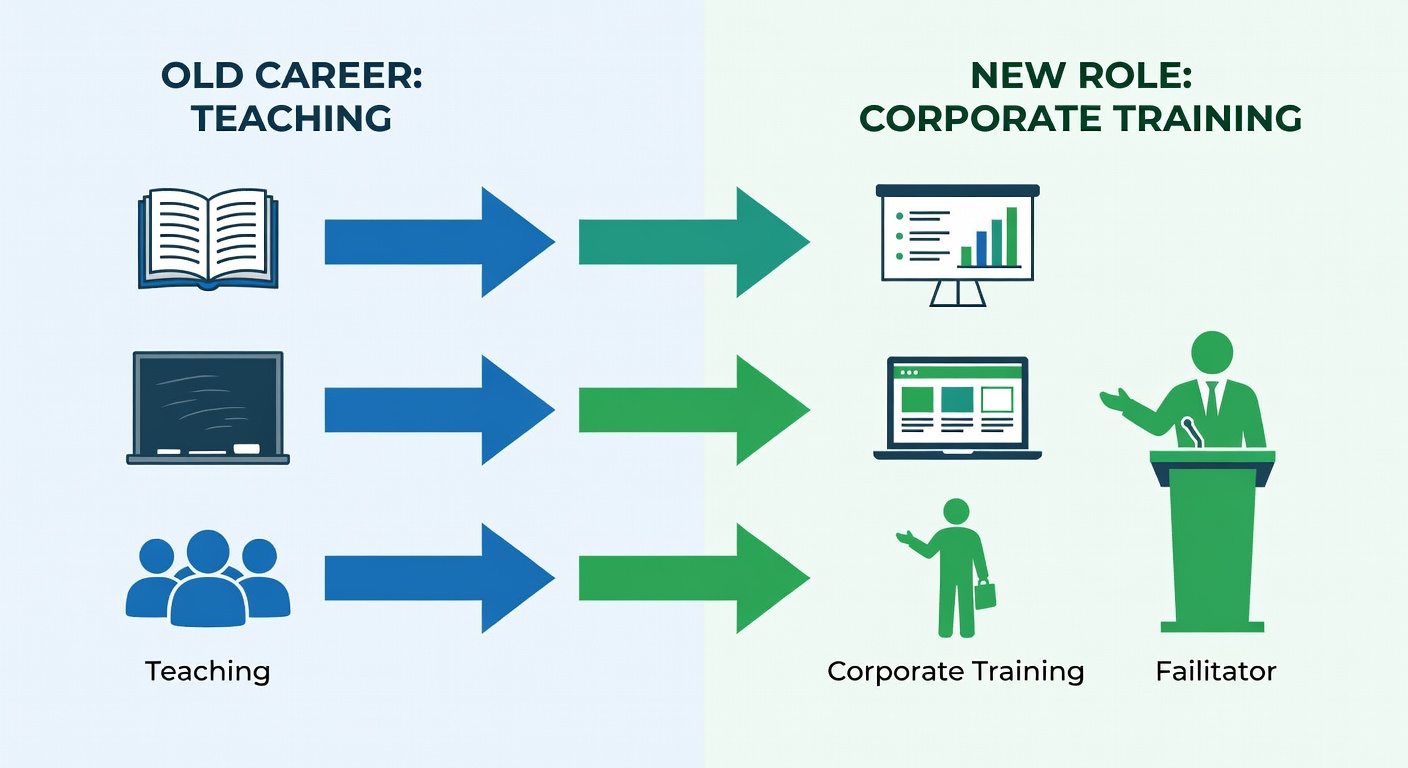
Effective preparation begins with a systematic skills audit. Review target job postings for required competencies and cross-reference them against your history. Create a detailed matrix: list old responsibilities on one side and new demands on the other, noting overlaps like project coordination, stakeholder communication, or problem-solving. A teacher moving into corporate learning and development can map lesson planning to curriculum design for employee onboarding programs. An engineer transitioning to product management might highlight technical troubleshooting as user experience optimization. Use free tools from government resources to benchmark skills against market needs. This mapping not only prepares you for questions but also reveals areas for quick upskilling through online modules or certifications.
Crafting a Compelling Career Transition Narrative
Your personal story must connect past achievements to future contributions without appearing scattered. Structure it around three elements: the trigger for change, key learnings from prior roles, and alignment with the target position. Practice delivering this in under two minutes, incorporating specific metrics where possible. For instance, a healthcare administrator pivoting to HR might say, "Managing staff schedules honed my talent acquisition skills, leading to a 30 percent reduction in turnover." Avoid negative language about old fields; instead, emphasize growth. Tailor the narrative per interview by researching company values and weaving them in naturally.
5-Step Interview Prep Checklist
- Conduct in-depth company and industry research, reviewing annual reports and trends from authoritative sites like the Bureau of Labor Statistics to discuss 2026 projections confidently.
- Compile 5-7 STAR stories highlighting transferable skills, quantifying impacts such as efficiency gains or team leadership successes.
- Rehearse responses to transition-specific questions, recording yourself to refine tone and eliminate filler words.
- Optimize your professional online presence by updating profiles on LinkedIn with a headline reflecting the new career direction and endorsements from relevant contacts.
- Arrange mock interviews with mentors or career coaches, focusing on body language, eye contact, and handling follow-up probes about your pivot.
Sample Answers for Common Transition Questions
Question: "Why are you changing careers at this stage?" Sample answer: "My background in sales equipped me with deep customer empathy, but I realized through side projects that data visualization truly excites me. This role at your firm allows me to apply those insights to drive strategic decisions in an AI-enhanced environment."
Question: "What makes you qualified despite limited direct experience?" Sample: "While my title was in operations, I led cross-functional initiatives that mirror your team's workflow needs, resulting in streamlined processes adopted company-wide."
Question: "How will you handle the learning curve?" Sample: "I have already completed targeted courses in the latest software and plan to leverage my quick-study approach proven in past role changes."
Successful vs. Unsuccessful Pivots: Real-World Comparisons
Successful examples span industries. A former journalist entered content strategy at a tech firm by showcasing writing and research skills, securing the role after demonstrating portfolio pieces aligned with SEO demands. In finance, an accountant became a sustainability consultant by mapping budgeting expertise to ESG reporting, impressing interviewers with case studies from green initiatives. Conversely, unsuccessful pivots often stem from poor preparation: a software developer attempting a switch to marketing failed by not linking coding logic to campaign analytics, appearing disconnected during discussions. Another case involved a teacher entering real estate who could not articulate client management parallels, leading to repeated rejections. These contrasts highlight the importance of concrete examples over vague enthusiasm.
Handling Interviewer Skepticism: FAQ
Q: How do I respond if they imply my experience is outdated? A: Counter by discussing recent self-directed learning and how foundational skills remain relevant amid 2026 innovations like automation.
Q: What if questions focus on salary expectations from my old field? A: Redirect to value you bring, stating flexibility based on the role's scope and growth potential.
Q: Can I address potential age or experience mismatches? A: Frame maturity as an asset, citing diverse perspectives that enhance team problem-solving in evolving markets.
Q: How to manage if they probe employment gaps? A: Explain gaps positively as periods of reflection, skill-building, or family priorities that ultimately strengthened your resolve for this transition.
Building Confidence for the 2026 Job Market
Develop resilience through daily visualization exercises and networking events focused on career transitions. Stay informed on trends via Indeed career advice sections and professional webinars. Practice power poses before interviews to reduce anxiety. Remember that 2026 favors versatile candidates who embrace change, so position your pivot as a strategic evolution rather than a risk.
Conclusion
Thorough preparation transforms career change interviews from obstacles into showcases of your unique value. By mapping skills, refining narratives, and anticipating concerns, you position yourself strongly for success in the dynamic 2026 job market. Apply these techniques consistently to turn transitions into triumphs and secure roles that align with your evolving professional goals.


No comments yet. Be the first!