 Jobboy

Introduction
In 2026, the integration of artificial intelligence into job interview preparation has become essential for candidates aiming to stand out in a crowded market. AI tools now offer sophisticated simulations, real-time feedback on responses, and personalized coaching that adapts to individual strengths and weaknesses. This comprehensive guide walks you through proven methods to use AI effectively, from selecting the right platforms to refining answers for both behavioral and technical interviews. By following these strategies, job seekers can build confidence, improve communication skills, and increase their chances of success.
Why AI Interview Preparation Matters in 2026
The modern hiring landscape features advanced applicant tracking systems and AI-driven initial screenings by employers. Traditional preparation methods like reading books or practicing with friends often fall short in providing immediate, objective insights. AI addresses these gaps by analyzing tone, structure, content relevance, and even body language through video analysis features. Candidates who incorporate AI see faster improvements in clarity and impact. For instance, users report better handling of unexpected questions after multiple simulated sessions. This technology levels the playing field, especially for those transitioning careers or entering competitive fields like tech and finance.
Recommended AI Platforms for Interview Prep
Several platforms excel in 2026 for their specialized interview tools. ChatGPT and Claude offer customizable question generators and detailed critiques. Interviewing.io provides realistic coding and system design mocks with expert-level feedback. Big Interview focuses on behavioral scenarios with video recording capabilities. LinkedIn integrates AI suggestions based on your professional profile, while Glassdoor supplies company-specific question databases enhanced by AI. When choosing, consider factors like ease of use, depth of analysis, and integration with job search tools. Many offer free tiers for basic practice, making them accessible starting points.
Step-by-Step Setup Instructions
Start by signing up for your chosen platform and verifying your email. Next, input your target job title, industry, and a copy of your resume to enable personalization. Customize settings for question types, such as focusing on leadership examples or specific technical skills. Begin with a baseline mock interview to establish your starting point. Record sessions if the tool supports video, then review AI-generated scores on metrics like conciseness and enthusiasm. Iterate by adjusting prompts based on previous feedback, aiming for progressive improvement over five to ten sessions.
Practicing Behavioral Questions with AI
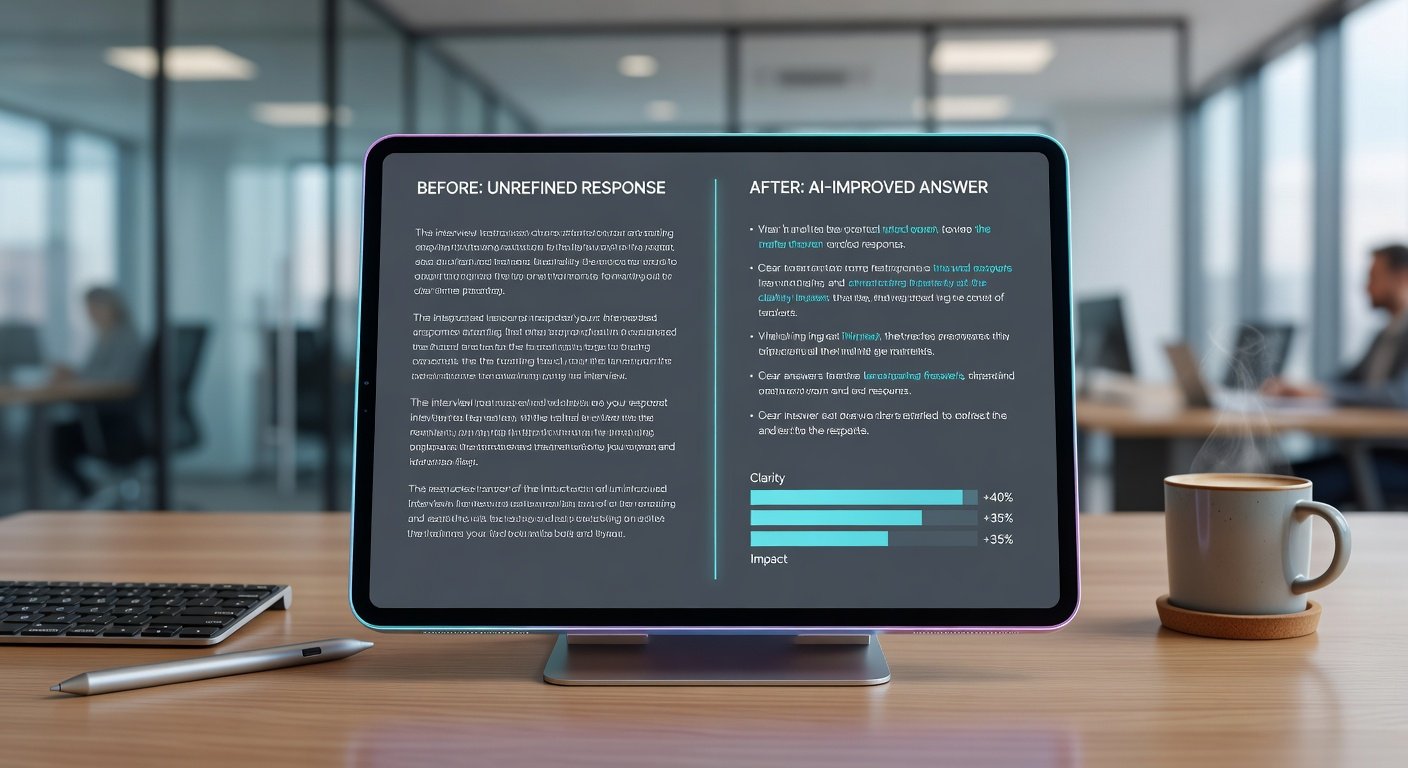
Behavioral interviews rely on the STAR method—Situation, Task, Action, Result—to structure responses. Use AI to generate role-specific questions like “Describe a time you resolved a team conflict.” Submit your initial answer and request detailed feedback on strengths, such as strong results, and weaknesses, like missing quantifiable achievements. For example, an early response might say “I helped my team meet a deadline,” but after AI refinement it becomes “In a high-pressure project with a tight two-week timeline, I coordinated daily stand-ups that improved efficiency by 30 percent, leading to on-time delivery.” Repeat this cycle with variations to cover common themes like teamwork, problem-solving, and adaptability.
Handling Technical Questions
Technical interviews demand precise knowledge and clear explanations. Prompt AI tools with scenarios such as “Explain how you would design a scalable database for an e-commerce platform.” Request breakdowns of concepts, potential pitfalls, and alternative approaches. Practice live coding simulations where available, then analyze the AI’s suggestions for optimization. This method builds both technical accuracy and the ability to articulate solutions under pressure, mirroring real interviewer expectations.
Tool Comparisons and Real-World Examples
Compare platforms by running identical questions across them and evaluating feedback quality. ChatGPT excels at quick iterations, while Interviewing.io provides deeper technical depth. Users often find combining two tools yields the best results—one for broad practice and another for specialized drills. Real-world examples demonstrate transformation: one candidate improved response ratings from average to top-tier after incorporating AI suggestions on storytelling and metrics.
Avoiding Over-Reliance on AI
AI serves as a powerful supplement but cannot replace human nuance or emotional intelligence. Schedule live practice with mentors or career coaches to test adaptability. Watch for common mistakes like overly scripted answers that sound robotic. Balance AI sessions with reflection on personal experiences to maintain authenticity. Set limits, such as capping daily practice at two hours, to prevent burnout and ensure genuine learning.
Advanced Tips for Maximum Results
Incorporate industry trends by prompting AI with current news or reports from sources like OpenAI. Track your progress in a dedicated journal noting score improvements and key learnings. For virtual interviews, use AI to simulate camera angles and lighting adjustments. These layered approaches create well-rounded preparation that addresses both content and delivery.
Conclusion
Mastering AI for interview prep in 2026 empowers candidates with data-backed insights and unlimited practice opportunities. By systematically applying the steps outlined—selecting platforms, following setups, refining responses, and balancing with human elements—you position yourself for stronger outcomes. Start today to build the skills and confidence needed to excel in your next interview.
FAQ
How accurate is AI feedback compared to human coaches? AI delivers consistent, objective analysis based on patterns from vast datasets, though pairing it with human input provides the most comprehensive results.
Can beginners with no tech background use these tools effectively? Yes, most platforms feature user-friendly interfaces with guided tutorials suitable for all experience levels.
How many practice sessions are recommended before a real interview? Aim for at least five to eight focused sessions, adjusting based on your initial performance and target role complexity.
Does AI help with salary negotiation questions? Absolutely—prompt tools to generate scenarios and craft responses that highlight your value with market data.
Are there privacy concerns when sharing resume details with AI? Review each platform’s data policies and opt for tools with strong encryption and deletion options after sessions.


No comments yet. Be the first!