 Jobboy
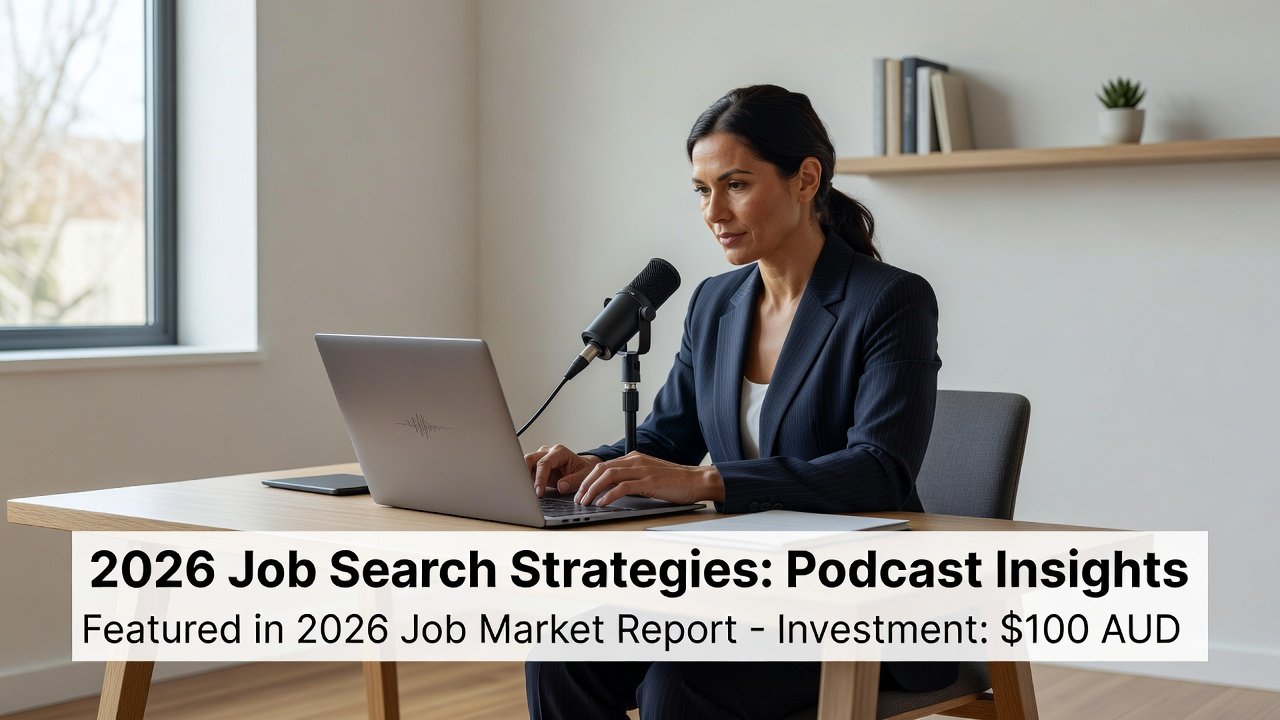
Introduction: Why Micro-Podcasting Matters for Job Seekers in 2026
In a competitive job market, standing out requires more than a polished resume. Micro-podcasting offers job seekers a powerful way to demonstrate expertise through short, focused audio episodes that directly reach recruiters and hiring managers. This approach builds personal branding, showcases communication skills, and creates authentic connections that traditional applications often miss. Audio content has grown in popularity because it allows candidates to convey personality and depth in ways that text-based profiles cannot match.
By 2026, audio content has become a key differentiator. Short episodes of 5-10 minutes allow busy professionals to consume insights on the go, making them ideal for demonstrating thought leadership in your target field. This guide provides a complete roadmap, from niche selection to distribution and metrics tracking, helping you turn listeners into interview opportunities.
Selecting a Focused Niche Tied to Target Roles
Start by aligning your podcast niche with the jobs you want. Research job descriptions for recurring skills and pain points in your industry. For example, if targeting marketing roles, focus on topics like content strategy trends or campaign analytics. This ensures episodes appeal directly to recruiters searching for those competencies. Spend time reviewing multiple postings on major job boards to identify patterns in required expertise.
Validate your niche by reviewing LinkedIn job postings and industry reports. Narrow it enough to own the space but broad enough for consistent episode ideas. A strong niche positions you as the go-to expert, increasing the likelihood that listeners become interview opportunities. Consider testing two or three potential niches with short pilot recordings before committing long-term.
Scripting Effective 5-10 Minute Episodes
Keep episodes concise and valuable. Begin with a hook in the first 30 seconds, followed by 3-4 key points supported by examples or data. End with a clear call-to-action, such as inviting listeners to connect on LinkedIn. Scripting ensures you stay on topic while leaving room for natural delivery.
Use a simple script template: introduction, main content with timestamps, and conclusion. Practice delivery to sound natural rather than read verbatim. This structure maintains listener engagement while allowing you to highlight expertise relevant to job searches. Record a practice take and listen back to refine pacing and clarity before finalizing each episode.
Budget-Friendly Recording Setups
You do not need expensive equipment to launch. A quality USB microphone, free editing software like Audacity, and a quiet space suffice for professional results. Many successful micro-podcasters started with under $100 in gear. Focus first on clear voice capture and minimal background noise rather than advanced production values.
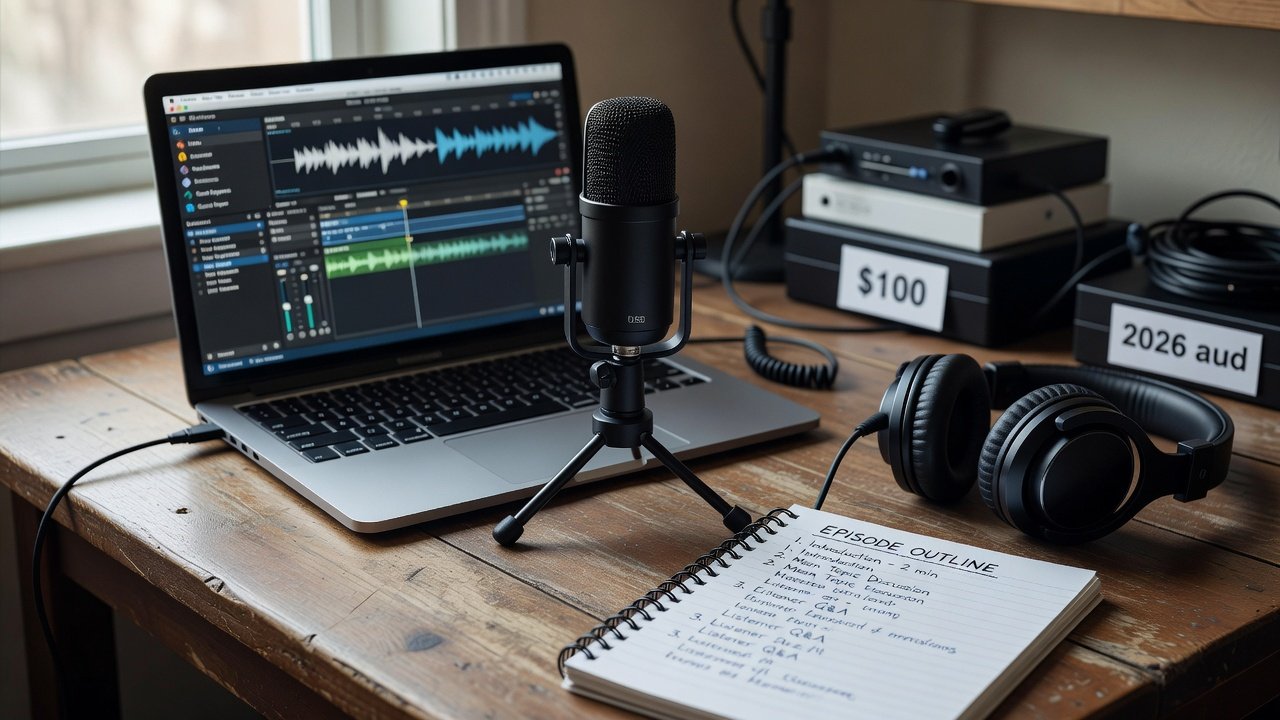
Test your setup with sample recordings and adjust for clear audio. Focus on consistency over perfection to maintain momentum in your content schedule. Over time you can upgrade elements such as adding a pop filter or basic sound treatment as your audience grows.
Distributing via LinkedIn Audio and Spotify
LinkedIn Audio enables direct sharing within professional networks, while Spotify expands reach through its podcast directory. Upload episodes to both platforms for maximum visibility. Optimize titles and descriptions with job-related keywords to improve search rankings. LinkedIn offers built-in professional discovery tools that complement job search efforts, and Spotify provides broad accessibility for passive listeners.
Cross-promote episodes on your LinkedIn profile and in relevant groups. This dual distribution strategy helps episodes surface when recruiters search for candidates with specific skills. Schedule posts to coincide with new episode releases to drive immediate engagement.
Keyword Optimization for Job Search Discoverability
Incorporate target job titles, skills, and industry terms naturally into episode titles, descriptions, and show notes. Tools like Google Keyword Planner can identify high-volume phrases. For instance, include terms like "project management strategies" if that matches your target roles. This optimization improves how platforms recommend your content to the right audience.
Consistent keyword use improves algorithmic recommendations, helping episodes reach hiring managers actively seeking talent in your niche. Review analytics after each batch of episodes to refine which phrases drive the most relevant traffic.
Guest Collaboration Strategies
Invite industry professionals or fellow job seekers as guests to expand your audience. Collaborations introduce your content to new networks and provide fresh perspectives. Prepare questions in advance and focus discussions on actionable insights that resonate with job seekers and recruiters alike.
These partnerships often lead to referrals and direct recruiter interest, turning listeners into professional connections. Reach out to potential guests via LinkedIn messages that clearly explain the mutual benefit of appearing on your show.
Step-by-Step Launch Checklist
- Define your niche and record 3-5 pilot episodes for quality testing
- Set up accounts on LinkedIn and Spotify for Podcasters
- Create cover art and a simple show description that includes target keywords
- Schedule a consistent release cadence, such as weekly or bi-weekly
- Promote each episode across your professional profiles and relevant communities
- Track initial downloads and engagement metrics to identify what works
- Iterate on format based on early listener feedback
Sample Episode Outlines
Episode 1: "Overcoming Common Project Delays in 2026" – Hook with a real scenario, discuss three strategies, end with listener action steps and a prompt to message you on LinkedIn.
Episode 2: "Networking Tips That Land Interviews" – Share personal examples, guest insight, and a downloadable template offer to encourage further connection.
Episode 3: "Data-Driven Decision Making for Entry-Level Roles" – Break down a recent case study, provide templates listeners can adapt, and close with a question for audience comments.
Metrics to Track Listener Engagement
Monitor download numbers, listen-through rates, and comments or connection requests generated. Aim for steady growth in engagement as a signal of content resonance. High completion rates indicate your episodes effectively hold attention and deliver value.
Additional metrics include shares, saves, and direct messages received. Use platform analytics to compare performance across distribution channels and adjust promotion efforts accordingly.
Real Examples of Candidates Converting Listeners into Interviews
One marketing professional launched a micro-podcast on emerging trends and received three interview requests within two months from recruiters who discovered the show through LinkedIn. Another candidate in tech used guest appearances to build credibility, resulting in a referral that led to a senior role offer. A third example involved a project manager whose episode on risk mitigation was shared internally by a listener at a target company, prompting a direct outreach for an open position.
These cases highlight how consistent audio content can accelerate job search outcomes by humanizing your expertise and creating multiple touchpoints with potential employers.
FAQs on Time Commitment and Common Mistakes
How much time does micro-podcasting require weekly?
Expect 4-6 hours per week once established, including scripting, recording, editing, and promotion. Start smaller if needed to build the habit without burnout. Many job seekers integrate recording into existing commute or evening routines to stay consistent.
What mistakes should beginners avoid?
Do not overproduce early episodes or neglect promotion. Skipping keyword research limits discoverability, and inconsistent releases reduce momentum. Always tie content back to skills valued in your target roles. Another common error is ignoring listener feedback or failing to update show notes with new keywords as your job search evolves.
Conclusion
Micro-podcasting equips job seekers with a modern tool to attract recruiters in 2026. By focusing on niche expertise, consistent delivery, and strategic distribution, you create opportunities that extend beyond traditional applications. Begin with one focused episode this week to start building your audio presence and professional network.

No comments yet. Be the first!