 Jobboy

Introduction to ESG Supply Chain Ethics in 2026 Interviews
Supply chain ethics has emerged as a pivotal area in ESG interviews for 2026 roles across industries. Recruiters and hiring managers now expect candidates to articulate not only general sustainability knowledge but also detailed strategies for managing ethical risks, measuring environmental impacts, and ensuring compliance with evolving global regulations. This comprehensive guide equips advanced professionals with the tools needed to excel, including real-world company case studies, comparisons of weak versus strong sample answers, data-backed impact examples, and practical adaptations of the STAR method tailored to supply chain scenarios.
Understanding the interconnected nature of supply chains is essential. From raw material extraction to final delivery, each stage presents opportunities for ethical lapses or sustainability improvements. In 2026, emphasis has shifted toward proactive risk mitigation rather than reactive fixes, driven by stakeholder expectations and stricter reporting requirements.
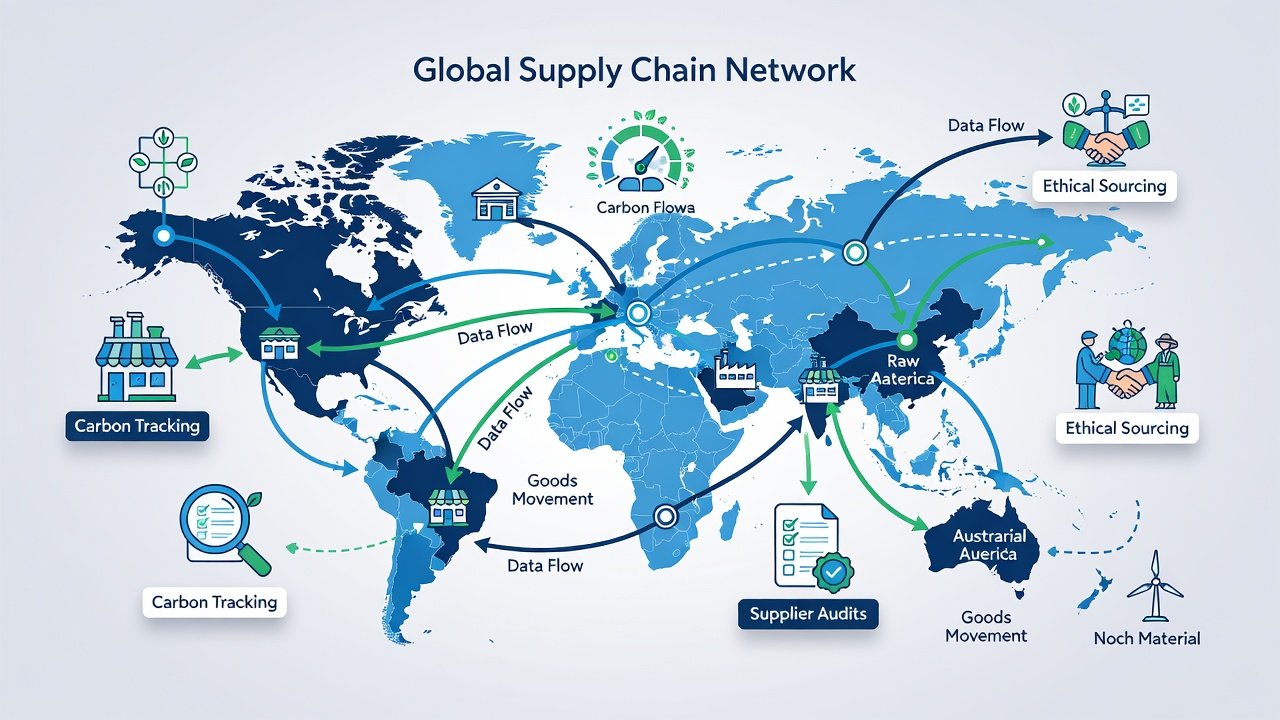
Key Subtopics: Carbon Tracking, Supplier Audits, and Ethical Sourcing Frameworks
Carbon tracking requires systematic measurement of Scope 1, 2, and especially Scope 3 emissions throughout the value chain. Effective approaches involve deploying IoT sensors and blockchain-enabled platforms to capture real-time data from suppliers at multiple tiers. For instance, companies can set baseline emission levels and track reductions using standardized protocols such as the Greenhouse Gas Protocol.
Supplier audits extend beyond basic compliance checks to include on-site evaluations of labor practices, waste management, and human rights adherence. A robust audit framework typically incorporates third-party verifications, risk scoring models, and corrective action plans with clear timelines. Ethical sourcing frameworks prioritize transparency by mapping supply chains to the origin level and establishing supplier codes of conduct that address issues like forced labor and deforestation.
Practical implementation begins with conducting a materiality assessment to identify high-priority risks, followed by integrating these metrics into procurement software. Candidates should prepare examples of how they have used these tools to drive measurable improvements, such as reducing supplier-related emissions by implementing tiered engagement strategies.
Real Company Case Studies from Major Firms
Major corporations provide valuable lessons. Unilever has utilized supplier scorecards integrated with satellite monitoring to combat deforestation in palm oil sourcing, achieving significant risk reductions through collaborative supplier development programs. In the automotive sector, companies like Ford have adopted digital twins for carbon tracking, enabling precise modeling of emissions across global logistics networks and supporting compliance with international standards.
Another example comes from the technology industry, where firms have implemented blockchain solutions for tracing conflict minerals. These initiatives not only mitigate reputational risks but also enhance brand value among conscious consumers. By studying these cases, candidates can reference specific methodologies and outcomes during interviews to demonstrate applied knowledge.
Weak Versus Strong Sample Answers
Interview responses vary widely in effectiveness. A weak answer might be vague: "Supply chain ethics matter because they affect the environment." This lacks specificity and fails to showcase personal impact or quantifiable results.
In contrast, a strong response uses concrete details: "At my previous organization, I identified gaps in our tier-two supplier audits related to carbon tracking. By introducing a new digital platform and conducting targeted training, we improved audit completion rates and achieved a 30 percent reduction in identified high-risk suppliers over one year." This version highlights actions, tools, and measurable outcomes while aligning with 2026 expectations for data-driven insights.
STAR Adaptations for ESG Questions
The STAR method (Situation, Task, Action, Result) adapts seamlessly to supply chain ethics questions. Consider this full example: Situation – A key supplier failed an initial ethics audit due to inadequate waste disposal practices. Task – Redesign the audit process to include carbon tracking metrics and ethical sourcing criteria. Action – Collaborated with cross-functional teams to deploy audit software, performed on-site visits, and established quarterly review meetings with suppliers. Result – Within nine months, supplier compliance improved markedly, with documented decreases in emissions and zero repeat violations.
Candidates should prepare three to five such narratives in advance, ensuring each ties back to broader business benefits like cost savings or enhanced resilience.
Step-by-Step Response Strategies
To craft compelling answers, follow these steps: First, thoroughly research the target company's supply chain disclosures and recent ESG reports. Second, quantify personal contributions using specific metrics such as percentage improvements or absolute reductions. Third, connect responses to 2026 regulatory landscapes, including the Corporate Sustainability Reporting Directive. Fourth, anticipate follow-up questions by preparing sector-specific comparisons. Finally, practice delivering responses concisely while inviting deeper discussion.
Sector Comparisons in Supply Chain ESG
Different industries face unique challenges. Retail and consumer goods sectors focus heavily on ethical sourcing of commodities like cotton and cocoa, emphasizing traceability to smallholder farms. Manufacturing prioritizes carbon tracking in energy-intensive processes and supplier audits for chemical management. The technology sector stresses responsible mineral sourcing and conflict-free supply chains, while pharmaceuticals emphasize ethical labor practices in active ingredient production.
These variations require tailored preparation. A candidate transitioning between sectors should highlight transferable skills, such as audit methodologies, while acknowledging industry-specific regulations and stakeholder priorities.
Regulatory Compliance and Sustainability Metrics in 2026
Staying current with regulations is critical. The EU's Corporate Sustainability Reporting Directive and similar frameworks in other regions mandate detailed disclosures on supply chain impacts. Sustainability metrics often include water usage intensity, percentage of suppliers with verified ethical certifications, and Scope 3 emission intensities. Candidates should discuss how they have aligned internal processes with these requirements, using tools like life-cycle assessments to generate reliable data.
Mistakes to Avoid in ESG Interviews
- Overgeneralizing without providing metrics or examples.
- Ignoring Scope 3 emissions in favor of easier Scope 1 and 2 discussions.
- Failing to address supplier engagement challenges or remediation strategies.
- Neglecting to link ethical sourcing to business outcomes such as risk reduction or innovation.
FAQ on Quantifying ESG Contributions
How can I effectively quantify my ESG impact in interviews? Focus on before-and-after metrics, such as the number of suppliers audited or emissions reduced through specific interventions. What are reliable sources for supply chain data? Authoritative references include reports from the United Nations Environment Programme.
How do I handle questions about regulatory changes? Demonstrate awareness of frameworks like those from the International Organization for Standardization and reference practical compliance steps taken in past roles. Additional guidance is available via the U.S. Environmental Protection Agency resources on environmental standards.
What if I lack direct experience in a particular subtopic? Emphasize related transferable skills and outline a clear learning plan with examples of quick adaptation in previous positions.
Conclusion
Success in 2026 ESG interviews hinges on demonstrating deep expertise in supply chain ethics through structured, evidence-based responses. By mastering the topics of carbon tracking, supplier audits, and ethical sourcing, adapting the STAR method effectively, and drawing on real case studies and sector insights, candidates can position themselves as indispensable contributors to sustainable business practices. Thorough preparation using these strategies will help advanced professionals navigate complex questions with confidence and clarity.

No comments yet. Be the first!