 Jobboy

Introduction to ESG Interview Preparation in 2026
Environmental, Social, and Governance (ESG) factors have become central to hiring processes across industries as companies face increasing pressure from investors, regulators, and consumers to demonstrate accountability. In 2026, candidates interviewing for roles in sustainability, corporate responsibility, or general management must show deep knowledge of climate impact metrics and Diversity, Equity, and Inclusion (DEI) integration. Employers seek professionals who can translate ESG principles into measurable business outcomes rather than offering generic statements about sustainability. This comprehensive guide equips job seekers with research methods, practical frameworks, detailed answer examples, sector-specific insights, and checklists to excel in behavioral and technical ESG interview questions.
Researching Company ESG Reports Effectively
Begin your preparation by locating the most recent annual sustainability or ESG report on the company's investor relations page or dedicated sustainability section. Examine quantitative data points including Scope 1, 2, and 3 greenhouse gas emissions, renewable energy percentages, water consumption, waste diversion rates, and workforce diversity statistics broken down by gender, ethnicity, and leadership levels. Compare these figures against industry benchmarks published by organizations such as the Global Reporting Initiative. Identify any stated net-zero targets, science-based targets, or DEI hiring goals and note timelines for achievement. Review third-party assessments from rating agencies and cross-check with news sources for controversies related to greenwashing or workplace inclusion issues. This level of preparation allows you to reference specific company data during the interview and ask insightful questions about gaps in their current strategy.
Preparing Data-Backed Responses Using Proven Methods
Structure every ESG-related answer with the STAR method: Situation, Task, Action, and Result. When discussing climate metrics, quantify your contributions using exact numbers such as tons of CO2 reduced or percentage improvements in energy efficiency. For DEI topics, reference retention rates, promotion statistics for underrepresented groups, or training completion percentages. Always connect your past achievements to the prospective employer's published ESG priorities. Practice delivering these responses aloud to ensure they sound natural while remaining concise and evidence-driven.
Practical Frameworks for Answering Sustainability Goal Questions
Apply the SMART framework when outlining sustainability initiatives: Specific, Measurable, Achievable, Relevant, and Time-bound. Supplement this with the materiality assessment approach, which involves identifying the ESG issues most relevant to stakeholders and the business model. For climate-focused questions, reference the GHG Protocol and science-based targets aligned with the Paris Agreement. Candidates should also demonstrate familiarity with emerging disclosure standards such as those from the International Sustainability Standards Board. These frameworks help structure answers that move beyond theory into actionable implementation plans.
Step-by-Step Examples of Strong Interview Answers
Example 1 – Climate Metrics Question: "Describe your experience tracking emissions." Strong response: "In my prior role at a logistics firm, I identified that Scope 3 emissions from suppliers accounted for 65% of our total footprint. I implemented a supplier engagement program using the GHG Protocol, which reduced those emissions by 18% within 18 months through route optimization and modal shifts to rail."
Example 2 – DEI Integration Question: "How would you improve diversity in hiring?" Strong response: "I would audit current job descriptions for biased language, partner with organizations serving underrepresented talent pools, and establish measurable goals such as increasing diverse candidate slates to 50%. Tracking promotion rates post-hire would ensure retention aligns with EEOC guidelines."
Example 3 – Regulatory Question: "How do you stay current with ESG regulations?" Strong response: "I subscribe to updates from the SEC and monitor the Corporate Sustainability Reporting Directive, allowing me to advise teams on compliance timelines and data collection requirements."
Common Pitfalls to Avoid in ESG Interviews
- Using vague language without supporting metrics or timelines, which signals a lack of hands-on experience.
- Failing to research the company's latest report, leading to generic answers that ignore their specific targets.
- Ignoring recent regulatory developments such as expanded SEC climate disclosure rules effective in 2026.
- Overlooking the connection between climate and DEI, such as how environmental justice intersects with community engagement programs.
- Providing answers that focus solely on personal opinions rather than data and frameworks.
Sector Comparisons: Tech, Finance, and Manufacturing
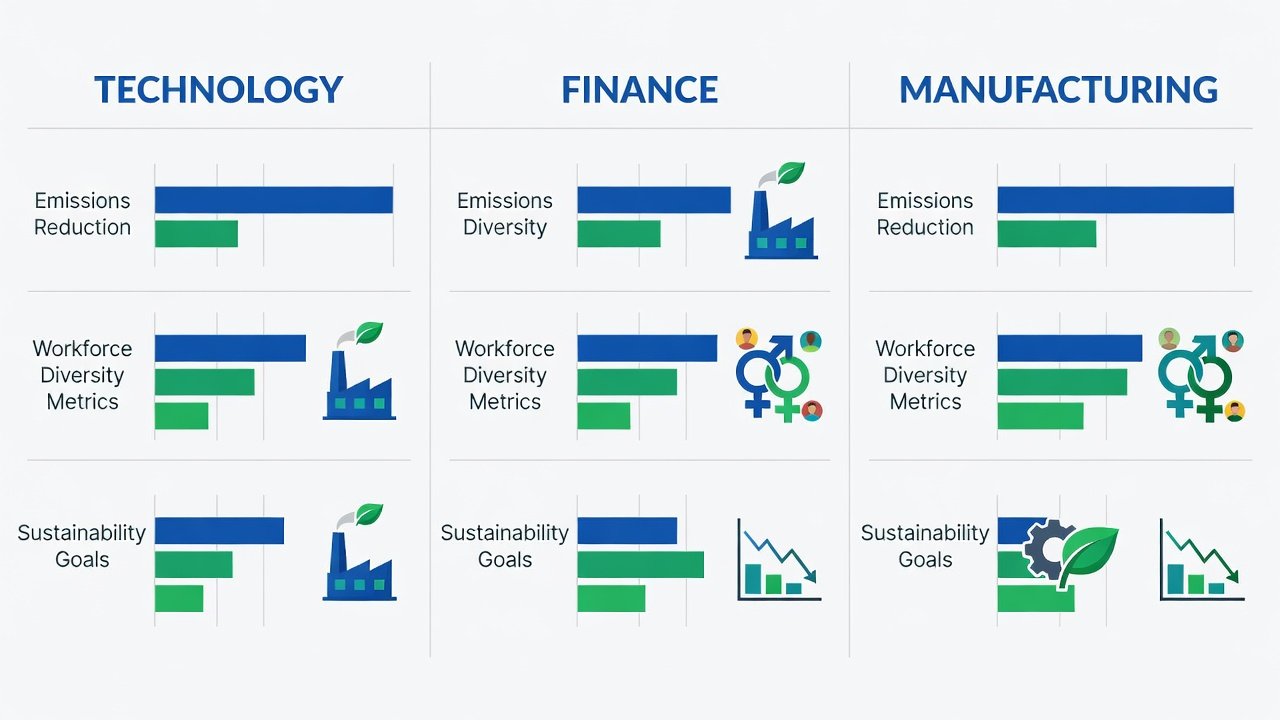
Understanding sector nuances helps tailor responses effectively. In the technology sector, interviewers emphasize data center energy efficiency, responsible AI development, and inclusive hiring practices for technical roles. Candidates should prepare examples of using software tools to model emissions reductions or implementing bias audits in machine learning systems.
The finance sector prioritizes climate risk integration into investment decisions and portfolio alignment with net-zero pathways. Prepare to discuss Task Force on Climate-related Financial Disclosures (TCFD) reporting and how ESG factors influence credit risk assessments. Reference frameworks from the SEC for material climate disclosures.
Manufacturing roles focus heavily on supply chain decarbonization, circular economy principles, and worker safety combined with DEI initiatives. Highlight experience with lean manufacturing techniques that simultaneously reduce waste and improve energy efficiency while advancing equitable hiring in production facilities.
Behavioral Interview Prep and Actionable Checklists
Create a personal checklist covering research (review latest ESG report), metric collection (prepare three quantified achievements), and question rehearsal (practice STAR responses for five common ESG questions). Include a section on handling follow-up probes about trade-offs between short-term costs and long-term sustainability benefits. This preparation builds confidence for both technical and behavioral rounds.
Short FAQ Addressing Real-Time Regulatory Changes
Q: What new climate disclosure requirements apply to public companies in 2026? A: The SEC climate disclosure rules require larger registrants to report material climate risks, greenhouse gas emissions, and transition plans, with phased implementation beginning for fiscal years starting after December 2025.
Q: How should candidates address evolving DEI regulations? A: Reference compliance with the EEOC in the United States and the social standards within the EU Corporate Sustainability Reporting Directive, emphasizing data-driven tracking of workforce demographics.
Q: Are there differences in ESG expectations between public and private firms? A: Public companies face stricter disclosure mandates, while private firms increasingly adopt similar practices due to investor and supply-chain requirements from partners using OECD guidelines.
Conclusion
Success in 2026 ESG interviews demands thorough preparation, quantified examples, sector awareness, and awareness of regulatory shifts. By researching reports, applying structured frameworks, and practicing detailed responses, candidates can demonstrate genuine expertise in climate metrics and DEI integration. Use the checklists and examples provided to stand out and position yourself as a valuable contributor to organizational sustainability and inclusion objectives.

No comments yet. Be the first!