 Jobboy

Understanding Unconscious Bias in Modern Hiring
Unconscious bias continues to shape hiring decisions in 2026, even as organizations adopt more structured processes and diversity training. Candidates often face subtle influences from cognitive shortcuts that interviewers may not recognize themselves. These biases can lead to missed opportunities for talented individuals and reduce overall workforce diversity. This comprehensive guide equips 2026 job seekers with the knowledge to recognize common biases, apply targeted countermeasures, and build sustainable career strategies that promote fairness over time.
Common Cognitive Biases in Interviews
Several well-documented biases appear regularly during recruitment. The halo effect arises when a single strong attribute, such as impressive technical expertise or a polished presentation style, causes interviewers to overlook gaps in other competencies like teamwork or cultural fit. Affinity bias emerges when interviewers unconsciously favor candidates who share similar backgrounds, hobbies, educational institutions, or communication styles, creating an uneven advantage for those who match the interviewer’s profile most closely.
Confirmation bias can compound these issues by prompting interviewers to seek information that supports their initial impressions while discounting contradictory evidence. Attribution bias occurs when successes are credited to external factors for some candidates but to personal ability for others. Real-world example: During a panel interview for a marketing role, a candidate who attended the same university as the hiring manager receives extra leeway on vague answers due to affinity bias, while a candidate from a different region must provide twice the evidence to overcome the halo effect created by the first speaker’s confident opening.
Additional Bias Patterns to Watch
Beyond the primary examples, stereotype threat can affect performance when candidates sense negative assumptions about their demographic group. Contrast effect also distorts evaluations when one strong or weak candidate makes others appear better or worse by comparison. Understanding these patterns allows candidates to prepare responses that redirect focus to objective qualifications rather than subjective perceptions.
Actionable Steps for Candidates
Preparation begins well before the interview. Research company values, recent diversity reports, and leadership statements using official sources. Develop multiple STAR-method stories that quantify achievements with specific metrics and outcomes. Practice responses that gently steer conversations back to skills when personal or tangential topics arise.
Self-advocacy techniques include using phrases such as “Let me connect that experience directly to the requirements of this role” to maintain relevance. Documentation methods involve creating a private post-interview log that records exact questions, your answers, interviewer reactions, and any concerning patterns across multiple rounds. Follow-up frameworks consist of tailored thank-you messages sent within 24 hours that reiterate two or three key strengths with supporting evidence, while requesting clarification on any unclear aspects of the role.
Advanced Techniques for Bias Mitigation
Record your own practice interviews using video tools to identify unconscious habits that might trigger bias. Build a support network of mentors who have successfully navigated similar situations. When bias appears evident, consider requesting a second interviewer or additional assessment stage through formal channels. These steps create a record of proactive professionalism that strengthens your position regardless of outcome.
Effective vs Ineffective Responses
Effective responses stay factual and achievement-focused. For instance, when addressing a career gap, state: “Between roles I completed an advanced certification in project management that enabled me to lead three cross-functional initiatives resulting in a 25 percent efficiency gain at my previous employer.” This approach redirects attention to value delivered. Ineffective responses include defensive explanations or unnecessary personal details that open doors to further subjective judgments.
Handling affinity bias requires similar discipline. An effective reply might acknowledge a shared professional interest briefly before pivoting: “Yes, I also enjoy data visualization tools, which helped me increase stakeholder engagement by 40 percent last quarter.” Ineffective approaches involve over-emphasizing personal commonalities at the expense of professional substance, risking perceptions of inauthenticity.
Tips for Diverse Candidates
Diverse candidates benefit from framing unique perspectives as strategic advantages. Prepare concrete examples demonstrating how varied viewpoints led to innovative problem-solving in past roles. Research employee resource groups at target companies and reference them thoughtfully during conversations. Seek out interview coaching from organizations focused on underrepresented professionals. Maintain detailed records of any inconsistent treatment and consider consulting career advisors when patterns suggest systemic issues. 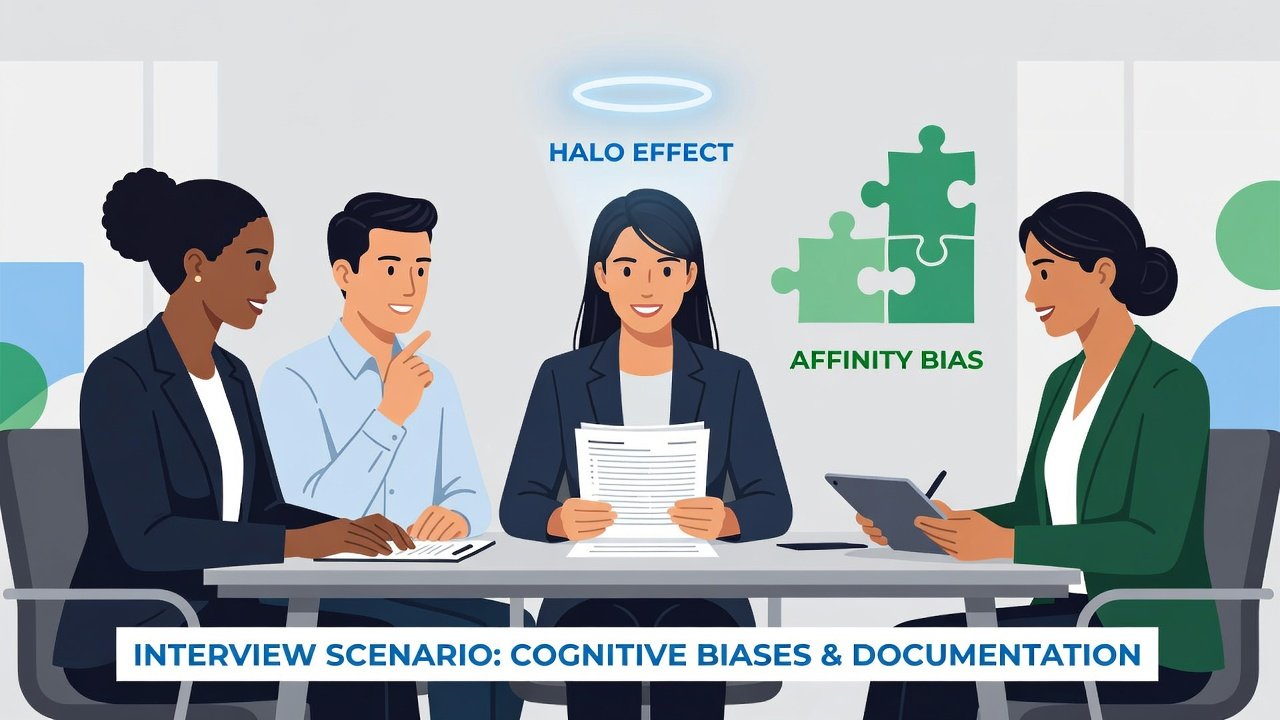
Checklist for Navigating Biased Scenarios
- Review the company’s latest public diversity and inclusion statements before applying
- Prepare five to seven quantified achievement stories using the STAR method
- Practice redirecting off-topic or potentially biased questions with professional phrasing
- Document every interview round immediately afterward with dates, names, and key exchanges
- Send evidence-based follow-up emails within one business day
- Request written feedback through official HR channels when available
- Build relationships with employee resource groups for ongoing support
- Track patterns across multiple applications to identify recurring issues
FAQ on Ethical Navigation
How can I distinguish between tough questions and actual bias? Consistent patterns across different interviewers or repeated emphasis on unrelated personal characteristics often indicate bias. Single instances of challenging questions usually reflect standard evaluation.
Is it advisable to address bias directly during the interview? Only when the comment is clearly inappropriate; otherwise, focus on redirecting to qualifications and document the incident for later review through proper channels.
What resources exist for reporting concerns after the process? Contact the company’s HR department or ethics hotline. External options include guidance from the U.S. Equal Employment Opportunity Commission on protected characteristics.
How does bias affect long-term career planning? Repeated exposure can influence confidence and network building, making it essential to develop resilience strategies early.
Building Long-Term Career Resilience
Develop a personal brand centered on measurable results and continuous learning. Engage with professional associations such as the Society for Human Resource Management to stay current on evolving hiring practices. Review guidance from the U.S. Department of Labor regarding workplace rights and fair hiring standards. Cultivate multiple income streams and skill sets to reduce reliance on any single opportunity. By combining thorough preparation, strategic documentation, and ongoing professional development, candidates transform potential bias encounters into demonstrations of adaptability and excellence that support sustained career growth.

No comments yet. Be the first!