 Jobboy

Introduction
Environmental, Social, and Governance (ESG) criteria have become central to corporate strategy and hiring decisions in 2026. Companies across industries now prioritize candidates who can articulate genuine contributions to sustainability, ethical governance, and social responsibility. Interviewers no longer accept generic statements about caring for the planet; they seek evidence-based responses backed by data and aligned with corporate targets. This comprehensive guide equips you with authentic response frameworks, detailed research methods, quantified impact examples, and sector-specific strategies. Whether you are preparing for a sustainability manager role or a C-suite position, mastering these elements will help you demonstrate credibility and strategic thinking. The following sections break down how to prepare thoroughly, craft compelling answers, avoid common pitfalls, and handle questions tailored to technology, finance, and manufacturing sectors.
Researching Company ESG Reports Effectively
Begin your preparation by locating the most recent sustainability or ESG report on the company’s investor relations website. Examine quantitative metrics including Scope 1, 2, and 3 greenhouse gas emissions, water usage, waste diversion rates, board diversity percentages, and supplier code-of-conduct compliance. Compare these figures against prior years to identify trends and gaps. Supplement your analysis with regulatory filings available through the SEC to understand any disclosed climate risks or governance controversies. Additionally, review third-party ratings from recognized frameworks to gauge external perceptions. Prepare targeted questions about how the company plans to close performance gaps, which signals both your research depth and genuine interest in advancing their ESG agenda. This methodical approach transforms basic knowledge into insightful dialogue during the interview.
Quantifying Personal Impact Examples
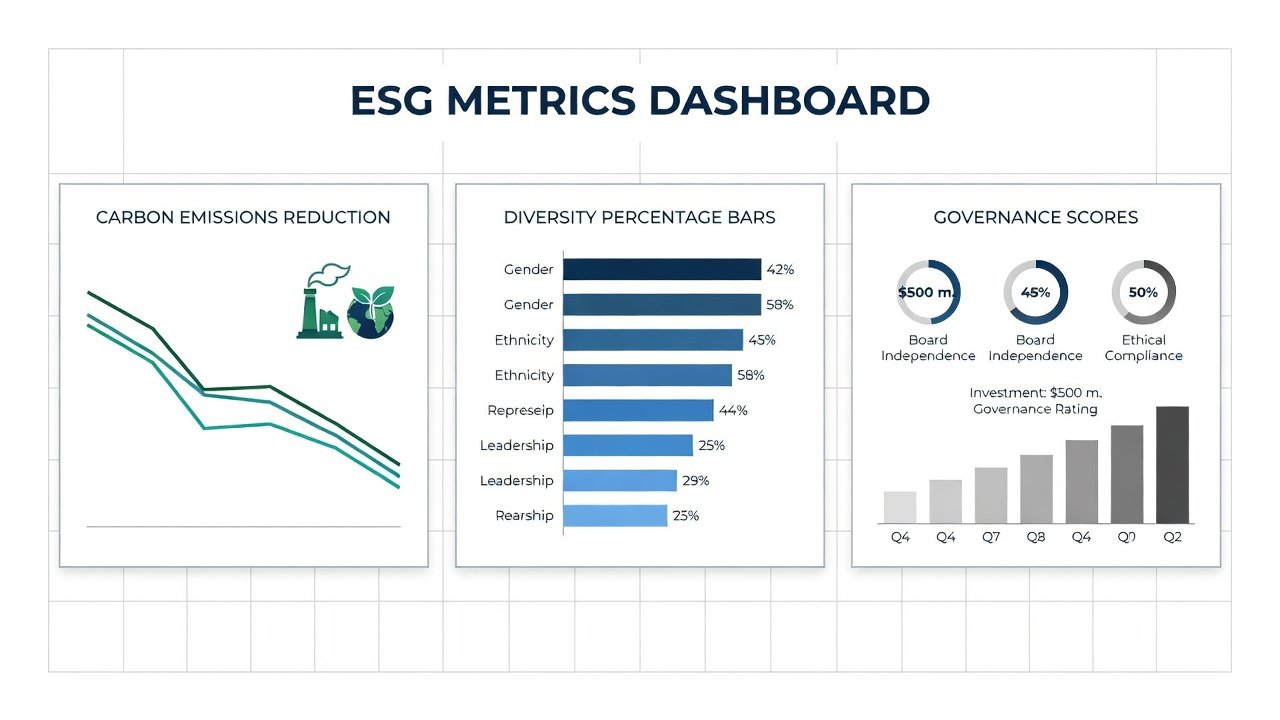
Strong ESG responses rely on specific, measurable achievements rather than vague intentions. Prepare three to five stories using the STAR method and attach hard numbers wherever possible. For example, instead of claiming you supported diversity efforts, state that you redesigned recruitment processes resulting in a 28 percent increase in hires from underrepresented groups over 18 months. Another illustration could involve leading an energy-efficiency retrofit that lowered facility emissions by 22 percent and reduced annual operating costs by a documented amount. Practice delivering these examples concisely while explaining the strategic context, your individual contribution, and the long-term organizational benefit. Rehearse transitions that link your past results directly to the prospective employer’s published climate or diversity objectives.
Aligning Answers with Climate Goals or Diversity Metrics
Reference the company’s publicly stated targets such as achieving net-zero operations by 2035 or attaining 45 percent gender parity in leadership by 2028. Demonstrate how your experience can accelerate progress toward these milestones. When discussing climate alignment, highlight initiatives you drove that reduced emissions intensity or improved renewable energy procurement. For diversity metrics, describe programs you implemented that enhanced retention rates among minority employees or expanded inclusive supplier partnerships. Always frame your contributions as collaborative efforts that support broader organizational strategy rather than solo accomplishments. This alignment shows interviewers that you have studied their priorities and can contribute immediately upon joining the team.
Step-by-Step Response Scripts
Follow this repeatable structure for any ESG question. First, acknowledge the specific ESG pillar being tested. Second, cite the company’s relevant public goal using exact language from their report. Third, deliver your quantified STAR story in under 90 seconds. Fourth, explain the transferable skills and lessons learned. Fifth, close by asking how the team measures success in that area. A sample script for a question about reducing carbon footprints might begin: “I noticed your 2030 target of a 50 percent Scope 3 reduction. In my previous role I mapped our supply-chain emissions and collaborated with three key vendors to switch to lower-carbon logistics, achieving a 31 percent cut within 14 months.” Practice variations for social and governance topics to ensure natural delivery.
Weak vs Strong Answer Comparisons
Weak answers rely on platitudes: “I’m passionate about sustainability and always recycle at home.” Strong answers incorporate data and context: “While leading procurement, I introduced a vendor scorecard that prioritized Scope 3 emissions reporting, resulting in 17 suppliers committing to science-based targets and a verified 19 percent reduction in our upstream emissions within one fiscal year.” Compare multiple pairs across environmental, social, and governance topics during practice sessions. Record yourself to eliminate filler words and ensure every sentence adds measurable value. This contrast highlights why specificity and verification separate top candidates from the rest.
Avoiding Greenwashing Pitfalls
Interviewers are trained to detect overstated claims. Never use phrases such as “we went completely green” or attribute team results solely to yourself. Instead, use precise language such as “I contributed to a project that achieved X percent improvement, verified through third-party audit.” Acknowledge challenges openly, for instance noting that certain Scope 3 categories remain difficult to measure accurately. Prepare honest responses about areas where progress fell short and the corrective actions taken. This transparency builds trust and demonstrates mature understanding of ESG complexities.
Sector-Specific ESG Queries
Technology Sector
Expect detailed questions on data-center energy consumption, responsible AI development, and electronic-waste management. Prepare examples of optimizing machine-learning models to cut computational energy use by 40 percent or establishing circular-economy programs that recovered 65 percent of end-of-life hardware. Reference frameworks such as the Greenhouse Gas Protocol and discuss how you would apply them to emerging AI infrastructure challenges.
Finance Sector
Focus on climate-risk integration into investment decisions, sustainable product development, and stakeholder engagement on transition financing. Cite experience embedding Task Force on Climate-related Financial Disclosures recommendations into portfolio analysis or launching green-bond frameworks that attracted $500 million in sustainable capital. Demonstrate familiarity with evolving regulatory expectations around financed emissions disclosure.
Manufacturing Sector
Prepare for inquiries about supply-chain traceability, water stewardship, and circular design. Share concrete stories such as implementing blockchain-based material tracking that improved supplier compliance from 62 percent to 94 percent or redesigning packaging to reduce virgin plastic content by 55 percent. Tie these results to broader goals like zero-waste-to-landfill certifications.
FAQ on Common Follow-Ups
- How do you stay current on ESG regulations? I maintain subscriptions to updates from the IPCC and monitor evolving disclosure requirements through regulatory bodies.
- What if a company’s ESG goals appear unrealistic? I would conduct a gap analysis using current performance data, propose phased milestones, and suggest pilot programs to build internal momentum and demonstrate feasibility.
- How do you handle conflicting stakeholder priorities? I facilitate workshops that surface each group’s key metrics, then co-create solutions weighted by both financial return and ESG impact, using transparent dashboards for ongoing accountability.
Conclusion
Effective preparation for 2026 ESG interviews combines rigorous company research, quantified personal stories, and sector-specific awareness. By practicing the frameworks and comparisons outlined above, you will deliver confident, credible responses that resonate with hiring teams focused on measurable sustainability and responsibility outcomes. Consistent rehearsal of these techniques positions you as a candidate ready to contribute from day one.

No comments yet. Be the first!