 Jobboy
Introduction to Neurodiversity Hiring in 2026
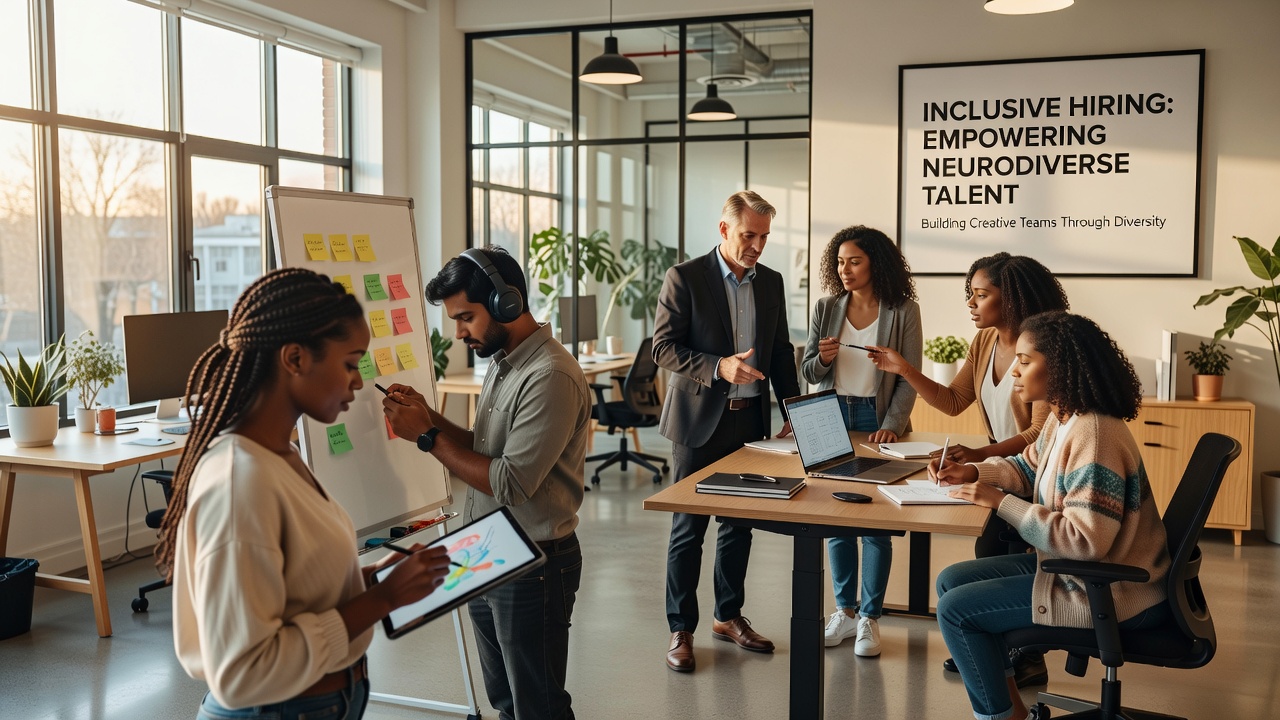
Neurodiversity hiring focuses on recognizing and valuing neurological differences such as autism, ADHD, dyslexia, and dyspraxia as natural variations in human cognition. In 2026, forward-thinking companies are moving beyond traditional recruitment to access hidden talent pools that drive innovation and problem-solving. This approach not only reduces unconscious bias but also improves team performance by embracing diverse thinking styles that traditional methods often overlook entirely.
Standard hiring pipelines frequently filter out high-performing individuals who may struggle with social nuances, sensory overload, or conventional interview formats yet possess exceptional skills in areas like data analysis, creative engineering, and systematic thinking. By adapting processes, organizations unlock benefits including higher retention rates, reduced turnover costs, and creative breakthroughs that enhance competitive advantage. Real-world examples from leading firms demonstrate measurable gains in productivity, employee satisfaction, and overall business outcomes when neurodiversity is prioritized.
Identifying Neurodiverse Strengths in Candidates
Neurodiverse individuals frequently bring exceptional abilities in pattern recognition, attention to detail, hyperfocus, and innovative problem-solving. For instance, people with autism may demonstrate superior skills in data analysis or software testing due to their affinity for logical systems and routines, while those with ADHD often excel in dynamic, fast-paced environments requiring quick pivots and multitasking under pressure. Dyslexic candidates can offer unique strengths in spatial reasoning and big-picture strategy that complement detail-oriented teams.
To identify these strengths, recruiters should shift from deficit-focused screening to strength-based assessments. Tools like skills-based evaluations, work-sample tests, and portfolio reviews reveal true potential without relying on social cues that can disadvantage neurodiverse applicants. Companies that adopt this method consistently report uncovering talent missed by resume screening alone, leading to teams with broader cognitive diversity and improved problem resolution capabilities across projects.
Adapting Job Descriptions for Inclusivity
Job postings represent the first point of contact and can inadvertently exclude strong candidates. Remove vague language such as "team player" or "excellent communicator" that may deter qualified neurodiverse candidates who interpret instructions literally. Instead, use precise, skill-focused requirements like "collaborate via written updates in project management software" or "manage projects using structured tools and timelines."
Include explicit statements welcoming diverse cognitive styles and offer flexibility in application methods, such as video submissions, portfolio links, or alternative formats. This small change broadens the applicant pool significantly. Research from major institutions shows inclusive wording increases applications from underrepresented groups by notable margins, helping organizations build more innovative workforces from the outset.
Designing Inclusive Interview Formats
Standard interviews often prioritize social skills and quick verbal responses over actual job competencies, creating barriers for many neurodiverse candidates. Replace or supplement them with structured formats including skills demonstrations, take-home assignments, or multi-stage processes with clear agendas provided in advance. Allow accommodations like written questions, quiet interview rooms, or breaks upon request to ensure equitable evaluation.
Provide detailed interview guides that outline expectations transparently and minimize surprises. Pilot programs at technology companies reveal these adaptations lead to higher acceptance rates among neurodiverse hires while maintaining rigorous performance standards and improving overall candidate experience for all applicants.

Step-by-Step Implementation Guide
Building an effective neurodiversity hiring program requires deliberate planning and phased execution. Follow these expanded steps for sustainable results:
- Conduct a thorough audit of current processes for bias by reviewing job ads, interview questions, and evaluation criteria with input from neurodiversity consultants or employee resource groups to identify exclusionary elements.
- Train hiring teams on neurodiversity awareness using evidence-based modules from recognized organizations, covering topics like sensory sensitivities, communication preferences, and strength-based interviewing techniques.
- Partner with specialized recruitment platforms, universities, and nonprofit programs that support neurodiverse students and professionals to source candidates who might not apply through conventional channels.
- Implement pilot hiring rounds focused on roles suited to neurodiverse strengths, such as quality assurance, research analysis, or software development, while documenting lessons learned at each stage.
- Measure outcomes including diversity metrics, retention rates, performance indicators, and innovation contributions over a six-month period to quantify impact and refine approaches.
- Scale successful practices across departments while continuously gathering anonymous feedback from new hires and managers to ensure ongoing improvement and cultural integration.
Real-World Company Examples
Microsoft has run dedicated neurodiversity hiring programs since 2015, resulting in innovative contributions to accessibility features and product development that benefit millions of users worldwide. SAP similarly reports enhanced software quality and team efficiency through inclusion of autistic talent in technical roles. These cases highlight how structured support and clear expectations lead to long-term success without compromising performance standards.
Other prominent examples include JPMorgan Chase's Autism at Work initiative, which has expanded across multiple locations and demonstrates lower turnover compared to neurotypical hires in similar positions. Additional firms like EY and Dell have launched parallel programs, showing that neurodiversity strategies scale effectively across industries when leadership commits to inclusive practices and provides appropriate resources.
Traditional vs. Neurodiversity-Focused Approaches
- Traditional: Resume screening emphasizes education and experience gaps; interviews focus primarily on verbal responses and first impressions; accommodations are considered only after hiring and often reactively.
- Neurodiversity-Focused: Skills assessments and work samples replace initial resume filters; interviews incorporate practical tasks with advance preparation materials; proactive accommodations, mentorship, and clear communication protocols are built into onboarding from day one.
The neurodiversity approach consistently yields broader talent access, stronger long-term cultural benefits, and higher rates of sustained employee engagement across diverse teams.
Addressing Accommodations and Retention Challenges
Common concerns include the perceived cost and complexity of accommodations. Many adjustments, such as flexible scheduling, noise-reducing headphones, or written meeting summaries, involve minimal or no expense while delivering substantial productivity gains. Retention improves dramatically when organizations provide clear communication channels, predictable routines, and career development paths tailored to individual strengths and preferences.
Regular check-ins, manager training on neurodiverse leadership, and peer support networks prevent isolation and support sustained high performance. Data from established programs indicate neurodiverse employees often show above-average loyalty and lower voluntary turnover when properly integrated into supportive environments.
FAQs on Neurodiversity Hiring
What legal considerations apply?
Under frameworks like the Americans with Disabilities Act, employers must provide reasonable accommodations. Consult official resources such as EEOC guidelines for compliance details and best practices.
How do we measure success?
Track metrics including application diversity rates, time-to-hire, performance reviews, innovation outputs, and retention rates. Compare against baseline data from traditional processes to demonstrate clear ROI.
Will this slow down hiring?
Initial adjustments may require extra planning time, but streamlined inclusive processes often accelerate overall recruitment by reducing mismatches, improving offer acceptance, and minimizing later rework or attrition.
Are there resources for smaller companies?
Start with free toolkits and guidance from CDC neurodiversity information and Department of Labor resources, then scale gradually based on measured results and internal feedback.
Conclusion
Neurodiversity hiring in 2026 offers a strategic advantage for organizations seeking sustained innovation and workforce resilience. By implementing the outlined strategies—from inclusive job descriptions and structured interviews to comprehensive training and measurement frameworks—companies unlock overlooked talent pools while fostering equitable, high-performing workplaces. The shift from traditional methods delivers both ethical alignment and tangible business value, positioning forward-thinking employers for long-term competitive success in an evolving talent landscape.

No comments yet. Be the first!