 Jobboy

Introduction
Selecting the right Applicant Tracking System (ATS) is a critical step for any organization aiming to modernize its hiring process in 2026. An effective ATS helps streamline workflows, reduce time-to-hire, and support long-term talent acquisition and employee retention goals. This comprehensive guide walks beginners through evaluating options, comparing top features like AI screening and integrations, and executing a successful rollout. Organizations that invest time upfront in selection and implementation often see measurable improvements in hiring efficiency and candidate experience.
Understanding Applicant Tracking Systems
An ATS is software designed to manage the entire recruitment lifecycle, from posting jobs to onboarding new hires. In today’s competitive talent market, these platforms centralize candidate data and automate repetitive tasks, freeing recruiters to focus on strategic activities. Mid-sized companies especially benefit because they typically handle dozens of openings simultaneously without large recruiting teams. The software tracks applications, schedules interviews, and maintains compliance records, creating a single source of truth for all hiring activity.
Key Features to Prioritize in 2026
When evaluating systems, focus on capabilities that directly impact efficiency. AI-powered screening stands out for its ability to parse resumes and rank candidates based on job requirements. Strong integration options with tools like LinkedIn, email platforms, and HRIS systems ensure seamless data flow. Mobile accessibility is essential so candidates and hiring managers can engage from any device. Additional important features include advanced reporting dashboards, customizable workflows, and built-in compliance tools that help meet evolving employment regulations.
AI Screening Capabilities
Modern ATS platforms use machine learning to filter applications quickly while reducing bias when configured properly. Look for customizable scoring models and natural language processing that understands varied resume formats. AI can also flag skills gaps and suggest internal mobility opportunities, directly supporting retention efforts by identifying existing employees for open roles before external posting.
Integration Ecosystem
Choose solutions that connect easily with existing tech stacks. SHRM resources highlight how integrations improve data accuracy across departments. Popular connections include calendar tools for interview scheduling, background check services, and payroll systems that activate once a candidate accepts an offer.
Mobile Accessibility and User Experience
Candidates increasingly apply via smartphones. An ATS with responsive design allows seamless applications on mobile devices, reducing drop-off rates. Hiring managers also appreciate the ability to review shortlists and approve moves while traveling or working remotely.
Step-by-Step Guide to Selecting an ATS
- Assess your current hiring pain points and team size by reviewing the past year’s recruitment metrics.
- Define must-have versus nice-to-have features based on input from recruiters, hiring managers, and IT stakeholders.
- Request demos from at least three vendors and prepare specific use-case scenarios for each demonstration.
- Involve stakeholders from HR, IT, and hiring managers early to ensure buy-in and uncover hidden requirements.
- Review security certifications and compliance standards such as SOC 2 and GDPR readiness.
- Compare total cost of ownership, including training, customization, and ongoing support, rather than focusing solely on subscription fees.
- Check customer references from companies of similar size and industry to understand real-world performance.
Implementation Checklist
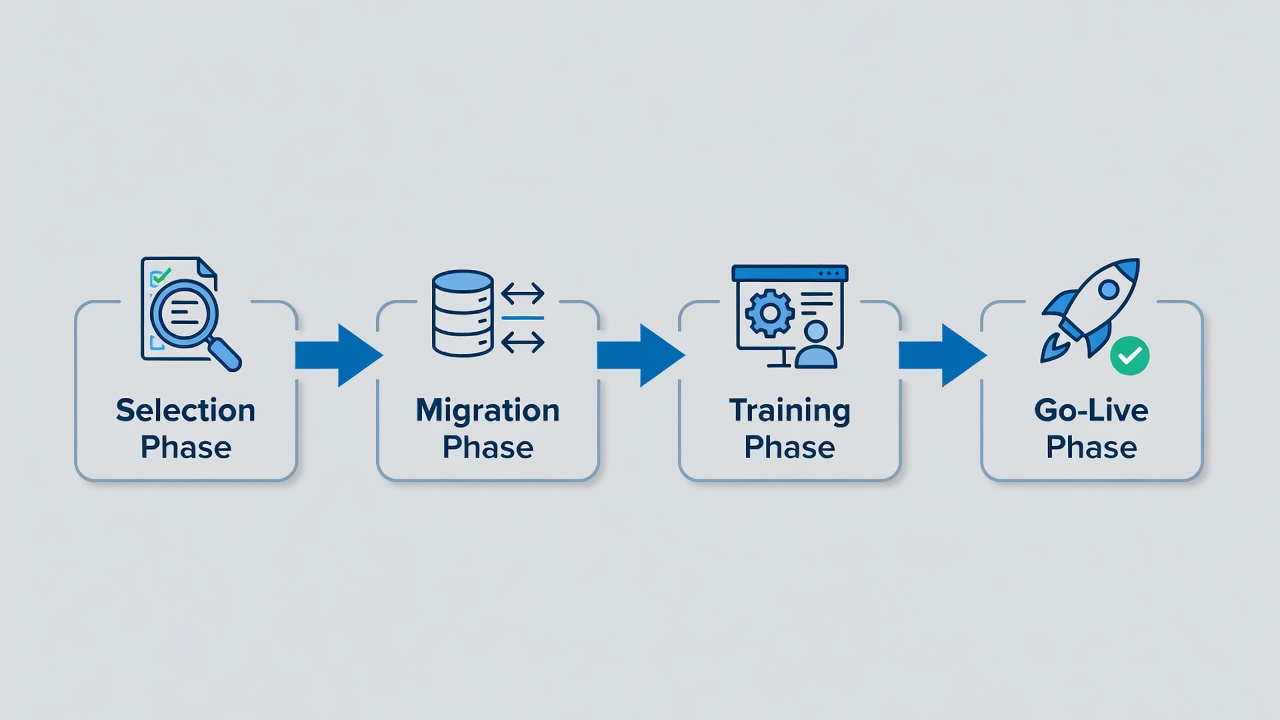
Successful rollout requires careful planning. Begin with data migration from existing spreadsheets or legacy systems, ensuring all historical candidate information transfers accurately. Configure workflows to match your unique approval processes, including multi-stage interview pipelines and offer approval chains. Train users thoroughly through a combination of live sessions, recorded videos, and hands-on practice environments. Establish clear success metrics such as reduced time-to-hire, improved candidate satisfaction scores, and higher recruiter productivity. After launch, schedule regular check-ins during the first 90 days to address any adoption challenges quickly.
Cost Considerations
Pricing structures vary widely based on company size and feature depth. Focus on scalability and return on investment rather than the lowest upfront cost. Many mid-sized companies report meaningful efficiency gains within the first six months of adoption, including fewer administrative hours spent on manual tracking and faster filling of critical roles.
Common Pitfalls to Avoid
- Overlooking mobile optimization, which frustrates candidates and increases application abandonment.
- Neglecting change management and user adoption training, leading to low utilization after launch.
- Choosing overly complex systems without adequate IT support, resulting in customization delays.
- Ignoring data privacy regulations during vendor selection, which can create compliance risks later.
- Failing to map current processes before configuration, causing the new system to replicate inefficient workflows.
Real-World Examples from Mid-Sized Companies
A manufacturing firm with 300 employees implemented an ATS with strong AI screening and cut screening time by nearly half. They also used the platform’s reporting tools to identify bottlenecks in their interview process, leading to faster decisions. A professional services company improved retention by integrating their ATS with performance management tools, creating smoother handoffs from recruiting to onboarding. Another example comes from a regional healthcare provider that prioritized mobile accessibility; their candidate application completion rate rose noticeably after switching to a mobile-first ATS.
How ATS Supports Talent Acquisition and Employee Retention
Beyond administrative efficiency, an ATS contributes to broader talent goals. Faster response times to applicants improve employer brand perception. Structured interview guides and consistent evaluation criteria reduce bias and increase quality of hire. When the system integrates with internal mobility features, recruiters can surface open roles to current employees first, supporting retention by offering growth opportunities before employees look elsewhere. EEOC guidelines emphasize the importance of consistent processes, which a well-configured ATS helps enforce.
FAQ
How does an ATS protect candidate data?
Reputable platforms use encryption, role-based access controls, and regular compliance audits to safeguard personal information and meet standards such as GDPR and CCPA.
Is mobile accessibility important for an ATS?
Yes. Mobile-friendly interfaces allow candidates to apply easily and hiring managers to review applications on the go, improving engagement rates significantly.
Can an ATS help with employee retention?
Indirectly yes. Faster, more transparent hiring processes lead to better candidate experiences, which correlate with higher acceptance rates and long-term retention. Internal mobility features also help retain talent by surfacing advancement opportunities.
What should companies consider regarding data security?
Verify that the ATS provider offers SOC 2 certification, regular penetration testing, and clear data retention policies. Ask how candidate information is stored and whether the vendor shares data with third parties.
How long does a typical ATS implementation take?
For mid-sized organizations, a full implementation usually ranges from four to twelve weeks depending on data volume, customization needs, and training scope.
Conclusion
Choosing and implementing the right ATS positions your organization for recruiting success. By focusing on practical features, following structured implementation steps, and learning from common mistakes, companies can build efficient hiring workflows that support both acquisition and retention objectives in 2026 and beyond. Taking a methodical approach ensures the technology serves the people using it rather than creating new obstacles.


No comments yet. Be the first!