 Jobboy
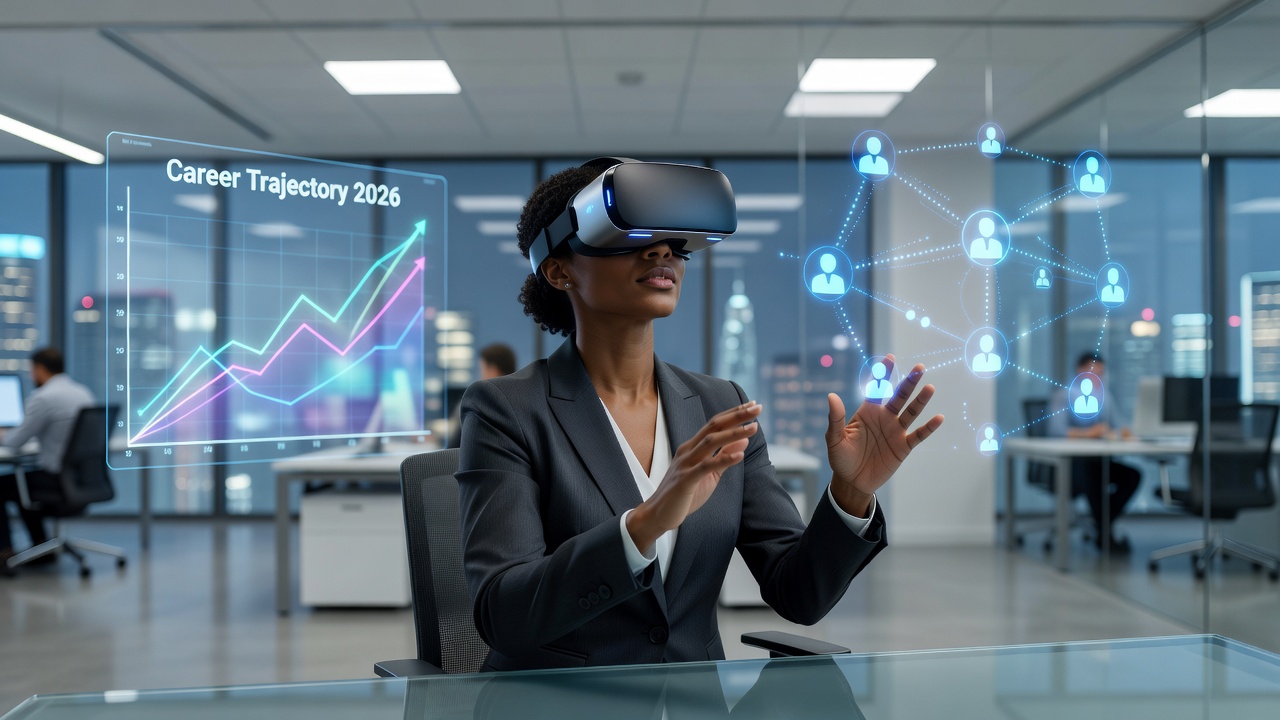
Introduction: The Rise of VR in Career Growth
Virtual reality is reshaping professional development by offering immersive, hands-on experiences that traditional training cannot match. In 2026, professionals across industries are adopting VR to accelerate upskilling, prepare for promotions, and expand their networks through realistic simulations. This guide details practical applications, real-world examples, and actionable steps to integrate VR into your career strategy. As workplaces evolve with hybrid models and rapid technological change, VR stands out as a tool that bridges the gap between theoretical knowledge and practical application, allowing users to rehearse complex scenarios repeatedly until mastery is achieved.
Understanding VR Applications for Professional Development
VR creates simulated environments where users can practice skills without real-world risks. Leading companies use platforms like Meta Quest and HTC Vive to deliver training that improves retention and engagement. For career-focused individuals, VR supports targeted growth in areas like leadership, technical proficiency, and interpersonal communication. Beyond basic simulations, advanced VR systems incorporate artificial intelligence to adapt scenarios in real time based on user performance, providing personalized learning paths that align directly with individual career objectives such as moving into management roles or switching industries.
VR for Mock Interviews and Interview Preparation
Practicing interviews in VR allows candidates to experience realistic pressure and receive instant feedback on body language, tone, and responses. Companies such as Accenture have implemented VR interview simulators that replicate high-stakes scenarios, helping employees prepare for internal promotions or external opportunities. Compared to traditional role-playing, VR provides consistent environments and data-driven insights into performance. Users can replay sessions to identify patterns in their answers, refine storytelling techniques for behavioral questions, and build confidence through repeated exposure to diverse interviewer avatars representing different cultural backgrounds and communication styles. This level of repetition and analysis often leads to measurable improvements in interview success rates over several weeks of practice.
Cross-Industry Collaboration Through Virtual Networking
Virtual reality enables professionals to attend immersive conferences and workshops without travel. Platforms facilitate avatar-based meetings where participants collaborate on projects across time zones. This approach breaks down geographical barriers and fosters connections that might otherwise be limited to in-person events. Professionals can join virtual industry summits, participate in breakout sessions focused on emerging trends, and even co-create prototypes in shared digital spaces. Such interactions often result in unexpected partnerships, mentorship opportunities, and knowledge exchange that accelerate career trajectories in fields ranging from technology to healthcare.
Skill Practice with Real-World Company Examples
Organizations like Boeing use VR for technical skill development in engineering and manufacturing, reducing errors during complex procedures. In healthcare, hospitals employ VR for surgical rehearsals that enhance precision. Retail giants such as Walmart have deployed VR modules for customer service and management training, while automotive firms like Ford utilize it for design reviews and assembly line optimization. These examples demonstrate how VR translates to measurable career benefits, including faster promotions and expanded expertise. By simulating high-pressure environments, employees develop muscle memory and decision-making abilities that directly transfer to on-the-job performance, often distinguishing them during performance evaluations.
VR Versus Traditional Methods: A Comparison
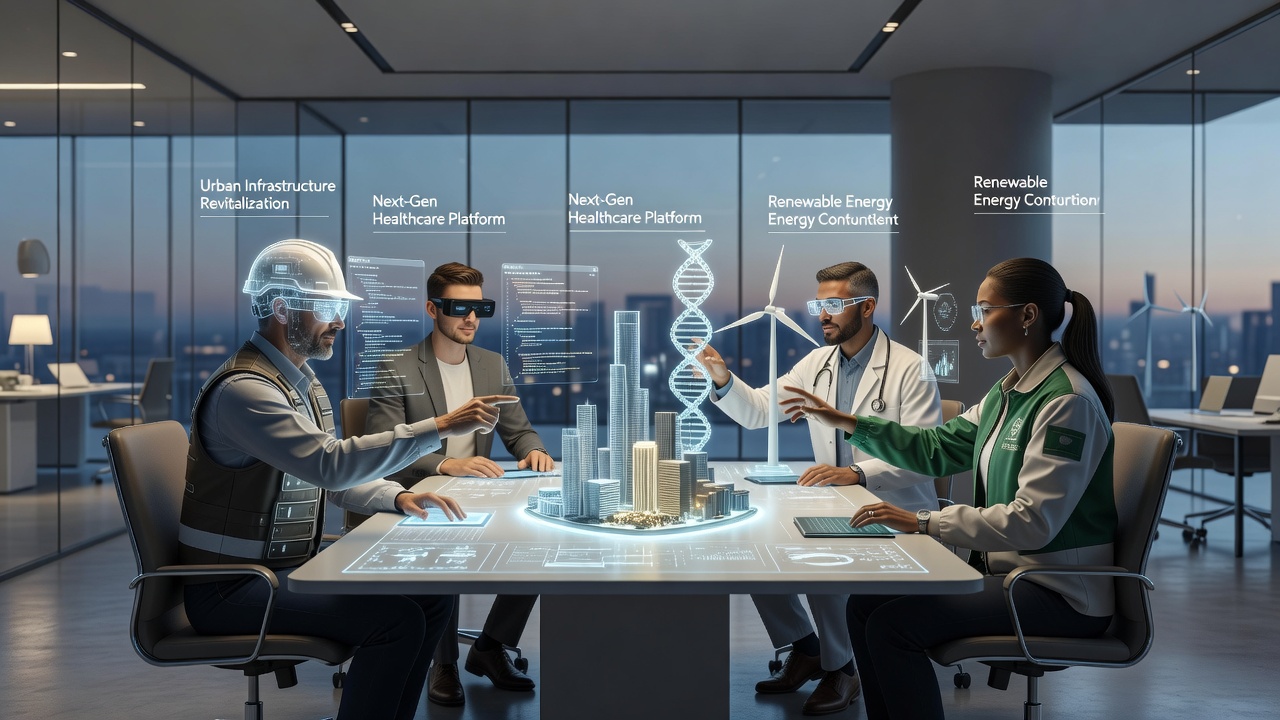
When evaluating VR against conventional professional development approaches, several key differences emerge that influence adoption decisions. Immersion and retention stand out because VR achieves higher engagement rates than video-based or classroom training by placing users directly in scenarios, leading to deeper cognitive processing and longer-term skill retention. Accessibility and scalability favor VR since traditional workshops require physical presence, while VR sessions can be accessed remotely with compatible hardware, enabling consistent training across global teams. Feedback quality is superior in VR systems that track metrics like eye contact and decision speed, offering analytics unavailable in standard methods. Cost-effectiveness over time improves with VR because although initial setup differs, repeated use often proves more efficient for ongoing development without recurring venue or instructor expenses. Additionally, VR supports asynchronous learning, allowing busy professionals to fit practice sessions around irregular schedules, unlike fixed-time traditional classes.
Practical Steps to Access VR Platforms in 2026
- Assess your hardware needs by researching compatible headsets from major providers and ensuring your workspace supports safe movement during sessions.
- Identify relevant VR applications through professional networks and industry reports, focusing on those with built-in analytics for tracking progress toward specific competencies.
- Start with free or trial versions to test suitability for your career goals, experimenting with different simulation types before committing to subscriptions.
- Join virtual communities to practice networking and receive peer feedback, leveraging forums and in-app events to build relationships with experienced VR users.
- Track progress using built-in analytics and set milestones aligned with promotion timelines, reviewing data weekly to adjust focus areas such as communication or technical accuracy.
- Integrate VR practice with other tools like online courses or mentorship programs to create a holistic development plan that combines immersive experiences with theoretical learning.
Beginner Checklist for VR Professional Development
- Research current VR hardware options and compatibility with your devices, including considerations for comfort during extended use and storage solutions.
- Define specific career objectives, such as improving public speaking or technical skills, and map them to available VR modules for targeted practice.
- Schedule regular VR sessions to build familiarity and consistency, starting with short durations and gradually increasing complexity as proficiency grows.
- Connect with mentors who have experience using immersive technologies to gain insights on best practices and common pitfalls to avoid.
- Evaluate outcomes after 30 days and adjust your approach accordingly, documenting improvements in confidence or performance to share during career discussions.
Overcoming Common Challenges in VR Adoption
While VR offers substantial benefits, professionals may encounter hurdles such as initial motion discomfort or limited content variety in niche fields. Solutions include selecting headsets with advanced comfort features, beginning with stationary experiences, and supplementing with user-generated content communities. Accessibility concerns for those with visual or mobility impairments can be addressed through customizable settings and voice-command interfaces now standard in many platforms. Organizations are increasingly providing support programs to ease the transition, ensuring broader adoption across diverse workforces.
Measuring Success and Long-Term Impact
To maximize VR's value, track both quantitative metrics like session completion rates and qualitative outcomes such as improved feedback from colleagues. Many users report enhanced readiness for leadership roles after consistent VR practice, with skills like crisis management and cross-functional collaboration showing particular gains. Over time, this investment contributes to stronger resumes, higher visibility in organizations, and smoother transitions during career pivots.
FAQ: Costs, Accessibility, and Getting Started
What equipment is required? Most professionals begin with standalone headsets that do not need a powerful computer, focusing on ease of setup and portability for home or office use.
Is VR accessible for remote workers? Yes, many platforms support cloud-based access, making it ideal for distributed teams seeking flexible development opportunities.
How does VR support long-term career growth? By enabling repeated practice in safe environments, VR builds confidence and competence that directly influence performance reviews and advancement opportunities.
Are there options for team-based VR training? Multi-user VR environments allow groups to collaborate on shared simulations, fostering collective skill development and team cohesion in virtual settings.
Conclusion
Virtual reality offers transformative potential for professional development in 2026. By embracing immersive simulations for interviews, collaboration, and skill refinement, professionals can gain a competitive edge. Begin exploring VR tools today to unlock new pathways for career success. For further insights, consult resources from the World Economic Forum and IBM.


No comments yet. Be the first!