 Jobboy

Introduction: Beyond Base Salary in 2026 Negotiations
Many professionals focus negotiations solely on base pay and standard benefits, yet overlooked compensation elements can significantly boost total rewards. In 2026, with evolving workplace priorities, items such as professional development stipends, sabbatical policies, wellness allowances, and equity refreshers offer substantial value. This article examines these components in depth, providing valuation methods, real-world examples, comparison tables, scripts, and industry-specific advice to help you negotiate smarter. Search intent centers on maximizing total compensation through creative asks that go far beyond a simple salary bump.
Why These Elements Matter in 2026
The labor market continues to shift toward holistic rewards as employees seek balance amid economic uncertainty. Companies increasingly compete on total rewards packages rather than salary alone. Professional development stipends enable continuous learning that accelerates career growth. Sabbatical policies reduce burnout and improve retention rates. Wellness allowances address mental health needs directly, while equity refreshers protect long-term financial upside in volatile markets. Research from authoritative sources like Bureau of Labor Statistics highlights how non-wage benefits now represent a growing share of compensation value.
Identifying Valuable Overlooked Elements
Start by reviewing your offer letter and company handbook for gaps. Professional development stipends cover courses, conferences, or certifications that might otherwise come out of pocket. Sabbatical policies grant extended paid leave after service milestones, often three to six months. Wellness allowances support gym memberships, therapy sessions, or mindfulness apps. Equity refreshers maintain stock ownership over time through additional grants. These elements often exceed the impact of a modest salary increase when properly valued. Examine peer offers and industry benchmarks to spot opportunities your employer may not highlight upfront.
Valuation Methods for Each Component
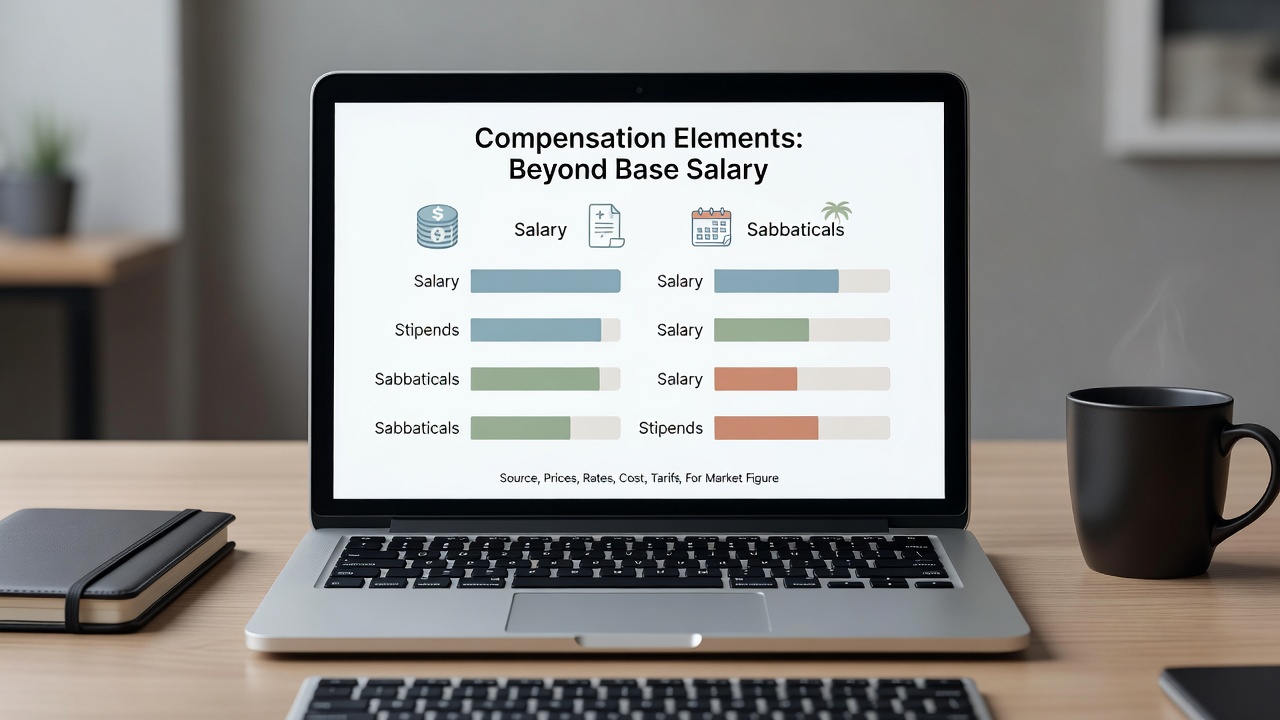
To compare elements against salary, calculate their annualized worth using a structured approach. First, determine the annual monetary equivalent: divide stipend amounts by expected tenure, multiply sabbatical days by daily compensation rate, and estimate wellness allowances as direct cash equivalents. For equity refreshers, project grant values based on current vesting schedules and company performance trends. Factor in tax implications, as some benefits receive favorable treatment. Project long-term career benefits such as skill acquisition leading to promotions. Repeat the process for each element and sum them to create a total rewards figure. This method reveals trade-offs clearly and strengthens your negotiation position with data-driven arguments.
Comparison Table: Trade-Offs Versus Salary Increases
| Element | Potential Annual Value | Trade-Off vs. Modest Raise |
|---|---|---|
| Professional Development Stipend | Flexible learning budget for courses and certifications | Builds skills for future raises and promotions |
| Sabbatical Policy | Extended paid time off after milestones | Improves retention and long-term work-life balance |
| Wellness Allowance | Health and fitness support initiatives | Reduces burnout and healthcare-related absences |
| Equity Refreshers | Stock ownership continuity over years | Aligns personal growth with company success |
Practical Negotiation Scripts
Use this script for stipends: "I am excited about the role and the impact I can make. To ensure long-term growth and contribution, could we include an annual professional development stipend? This would allow me to pursue relevant certifications that directly benefit the team and keep our skills competitive." For sabbaticals: "Many forward-thinking companies offer sabbaticals after five years of service. How might we incorporate a policy that supports my long-term commitment here while preventing burnout?" For wellness: "Given the demands of the role, a wellness allowance would help maintain peak performance. Could we explore adding this to the package?" For equity: "To align my incentives fully with company goals, I would like to discuss equity refreshers as part of the offer." Tailor language to emphasize mutual benefits and prepare responses to objections in advance.
Industry-Specific Tips
In technology, prioritize equity refreshers due to volatile stock values and rapid industry changes. Healthcare roles benefit greatly from wellness allowances amid high-stress environments and shift work. Finance professionals often target sabbaticals for sustained performance and regulatory compliance demands. Creative industries value development stipends for portfolio building and staying current with design tools. Manufacturing and logistics sectors may emphasize wellness for physical demands. Always research your sector's norms using resources from SHRM and tailor requests to specific pain points employers face in your field.
Step-by-Step Negotiation Process
Begin with thorough research on market rates and company policies. Schedule a dedicated conversation after receiving the initial offer. Present your requests using the valuation data and scripts above. Listen actively to responses and be prepared to compromise on one element for gains in another. Document all agreements in writing before accepting. Follow up with a thank-you email summarizing the discussion. This structured approach increases success rates and demonstrates professionalism throughout the process.
Common Mistakes to Avoid
- Overvaluing one element without comparing total package impact across multiple years.
- Failing to document agreements in writing, which can lead to misunderstandings later.
- Ignoring vesting schedules for equity components that affect actual realized value.
- Neglecting to tie requests to company goals and retention objectives.
- Accepting verbal promises without confirming details in the final offer letter.
- Comparing only to base salary instead of evaluating the full compensation mix.
FAQ Section
What if my employer objects to adding stipends?
Counter by highlighting retention data and productivity gains from skilled employees who receive ongoing training support.
Are sabbaticals realistic in 2026?
Yes, progressive firms increasingly adopt them to combat burnout, as noted in labor reports from U.S. Department of Labor.
How do I value equity refreshers accurately?
Consult current market grant data and vesting terms with a financial advisor familiar with your industry.
Can I negotiate multiple elements at once?
Yes, but prioritize and present them as a balanced package that benefits both parties.
What tax considerations apply to these benefits?
Review guidance from IRS to understand taxable versus non-taxable components before finalizing.
Conclusion
Negotiating overlooked compensation elements in 2026 empowers you to secure holistic rewards that support both career and personal well-being. Apply the valuation methods, scripts, and tables shared here to approach discussions strategically. By focusing on these areas with preparation and data, you can achieve greater satisfaction and financial upside beyond base salary alone while building stronger long-term employment relationships.

No comments yet. Be the first!