 Jobboy

Introduction
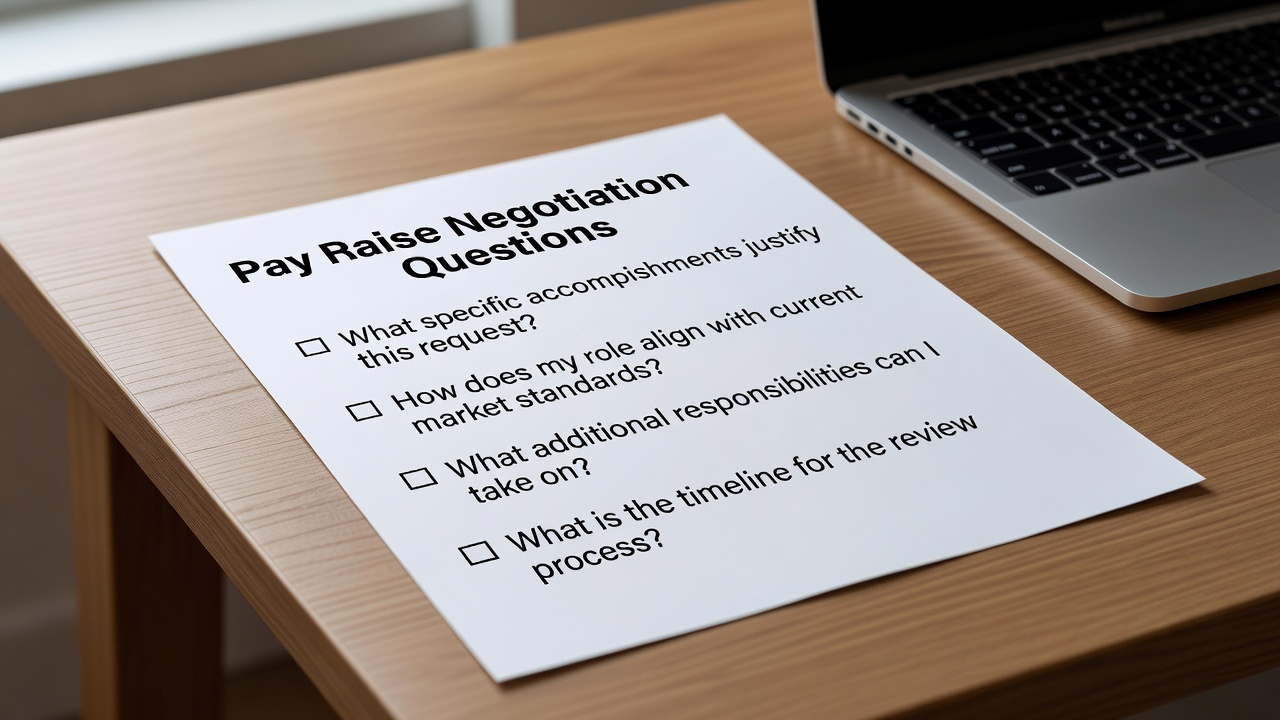
Negotiating a pay raise in 2026 requires more than simply stating your desired salary. Mid-career professionals who succeed approach these conversations with targeted questions that reveal budget realities, performance expectations, and the full value of total compensation packages. Asking the right questions helps you gather data instead of relying on assumptions, allowing you to build a compelling, evidence-based case. This guide equips you with the most strategic questions to ask managers and HR, along with practical scripts, real-world examples, and a documentation checklist that turns preparation into a structured process.
Effective negotiation starts with research and curiosity. By exploring internal financial health, external market conditions, and personal performance alignment, you position yourself as a thoughtful professional rather than someone making an emotional request. The sections below break down the key areas to investigate and provide actionable steps for each.
Understanding Timing Based on Company Financials
Before requesting a raise, determine whether the organization has the financial capacity to approve increases. Ask your manager: "How has the company performed against its revenue targets this quarter, and what does that mean for compensation budgets?" This question uncovers whether recent results support new salary allocations and reveals any constraints caused by economic shifts or project delays.
Another key question is: "When does the company typically finalize its annual compensation review, and are there any upcoming budget cycles I should align with?" Aligning your request with these cycles increases the likelihood of approval because decisions are often made during specific planning windows. Follow up by asking about departmental priorities: "What major initiatives are funded for the next fiscal period, and how might my role contribute to those goals in a way that justifies additional investment?"
Timing also involves understanding leadership changes or reorganizations. Inquire whether recent mergers, leadership transitions, or strategic pivots have altered compensation philosophies. These details help you avoid approaching the conversation during periods of uncertainty when raises are routinely deferred.
Exploring Performance Metrics and Expectations
Performance data forms the foundation of any strong raise request. Inquire: "Which specific metrics will leadership use to evaluate my contributions over the next review period?" Follow up by asking how your individual goals tie into broader team or company objectives so you can demonstrate direct impact.
Request clarity on benchmarks by asking: "Can you share examples of colleagues who received raises recently and what achievements drove those decisions?" This helps you calibrate your own ask and identify patterns in how the organization rewards results. Another valuable question is: "What would outstanding performance look like in my role over the coming year, and how would that translate into measurable outcomes?"
Prepare your own evidence before the meeting. Document projects completed, revenue influenced, processes improved, and feedback received. Bring this data to the discussion so you can reference specific accomplishments when the conversation turns to justification.
Comparing Base Salary Versus Benefits Value
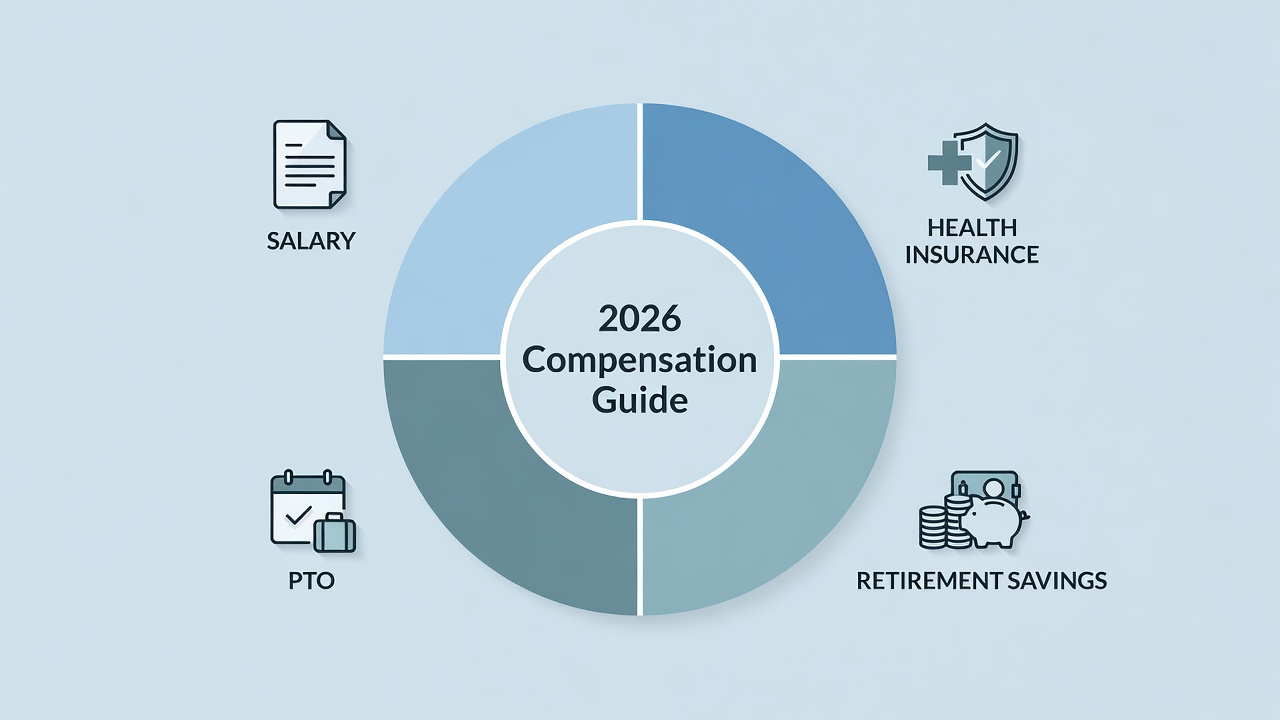
Total compensation extends beyond base pay. Ask HR: "What is the current breakdown of my benefits package, and how might adjustments to health, retirement, or flexible work options compare in value to a salary increase?" Understanding these trade-offs allows you to negotiate creatively when base salary budgets are constrained.
One effective follow-up is: "Are there any upcoming changes to our benefits structure that could enhance my overall package even if base pay adjustments are limited?" Explore options such as additional paid time off, professional development stipends, or equity grants that may carry significant long-term value.
Consider asking about work-life balance enhancements: "How does the company value flexible scheduling or remote work arrangements in its total rewards philosophy?" These elements often provide immediate quality-of-life improvements that can offset a smaller base salary adjustment.
Industry-Specific Benchmarks for 2026
Gather external data to support your position. Pose this question to your manager: "How does our compensation philosophy compare with industry standards for my role and experience level?" This opens a discussion about market alignment and signals that you have done your homework.
Consult authoritative sources such as the U.S. Bureau of Labor Statistics for occupational wage data and the Society for Human Resource Management for compensation trends. The U.S. Department of Labor also publishes resources on wage and hour standards that can provide useful context. These references help you understand typical ranges without relying on unverified assumptions from salary websites.
Preparing Your Own Supporting Data
Strong negotiators arrive with organized information. Create a one-page summary that lists your key achievements, relevant market data, and proposed compensation range. Review past performance reviews and gather recent positive feedback from stakeholders. This preparation demonstrates professionalism and makes it easier for your manager to advocate on your behalf.
Sample Question Scripts
Use these scripted examples during meetings to keep the conversation focused and productive:
- "Given my recent project outcomes and contributions to team goals, what raise range would be realistic based on current departmental budgets?"
- "If base salary adjustments are not feasible right now, what alternative compensation elements could we explore to recognize my impact?"
- "How can I better demonstrate impact to support a stronger case at the next review cycle?"
- "What internal factors might influence the size of raises this year, and how can I align my work accordingly?"
- "Are there professional development opportunities or certifications the company would support that could also increase my value?"
Real-World Examples of Successful Outcomes
One marketing manager asked about quarterly budget reviews and learned that a new client contract had freed up funds. By timing the request two weeks after the contract closed, she secured a meaningful increase plus additional professional development funds. Another engineer discovered through benefits questions that enhanced remote-work stipends and a higher 401(k) match provided equivalent value to a modest salary bump, allowing both parties to reach a mutually beneficial agreement without straining the base salary budget.
A project coordinator used performance metric questions to identify that her efficiency improvements had saved the team significant hours. She presented this data alongside industry benchmark information and received approval for a phased raise tied to continued results over the following six months.
Checklist for Documenting Responses
- Record the date and attendees of each conversation.
- Note exact answers regarding budget availability and timelines.
- Document any mentioned performance metrics or examples shared by leadership.
- List alternative compensation options discussed and their estimated value.
- Capture any specific milestones or next steps mentioned.
- Schedule a follow-up meeting before leaving the discussion.
- Store all notes in a secure, accessible location for future reference.
Handling Pushback and Next Steps
When responses indicate limited flexibility, ask: "What milestones would position me for a stronger outcome in six months?" This keeps the dialogue constructive and forward-looking. Request written confirmation of any commitments made during the meeting. If the answer remains no, consider whether the role still aligns with your long-term career goals and explore external opportunities while maintaining a positive internal relationship.
Conclusion
Strategic questioning transforms pay raise negotiations from guesswork into informed discussions. By focusing on financial timing, performance alignment, and total compensation value, mid-career professionals can build compelling cases supported by data. Use the scripts and checklist provided to prepare thoroughly, document every insight, and maintain momentum toward your compensation goals.

No comments yet. Be the first!