 Jobboy

Introduction: Why Inflation-Proofing Matters in 2026
Inflation continues to erode purchasing power for professionals across industries. Without proactive salary adjustments, even strong performers can experience declining real income. This guide shows you exactly how to calculate what you need, back your request with data, and structure conversations that emphasize total compensation value. Professionals who treat compensation as a dynamic conversation rather than a static number are better positioned to maintain their lifestyle and career momentum. Understanding the interplay between inflation, market rates, and personal performance creates a stronger foundation for every negotiation.
Calculating Real Wage Growth
Start by determining your target raise based on both inflation and market movement. Subtract the inflation rate from your desired nominal increase to find real growth. Use government data sources to stay accurate rather than estimates. For example, if inflation is running at a moderate level, a 6 percent nominal raise might deliver only 2 to 3 percent real growth after adjustments. Break the calculation into clear steps: gather the latest inflation index, identify your current base salary, project the percentage increase needed, and compare the result against industry medians. This approach prevents you from accepting an offer that looks generous on paper but fails to keep pace with rising costs. Revisit the numbers quarterly because inflation can shift with economic policy changes and supply chain developments.
Pulling the Latest Industry Salary Data
Reliable sources include the Bureau of Labor Statistics and the U.S. Census Bureau. Review median wages by occupation, experience level, and region. Cross-reference with recent reports from professional associations in your field. The Federal Reserve also publishes data on wage trends and labor market tightness that can contextualize your request. Update your research within two weeks of any negotiation meeting so numbers reflect the most current conditions. Pay special attention to percentile rankings rather than simple averages, because top performers should aim for the upper quartile when presenting evidence.
Base Salary Versus Benefits Adjustments
Employers sometimes prefer to enhance benefits rather than base pay. Evaluate which option delivers more long-term value: a higher base compounds with future raises and bonuses, while benefits like enhanced retirement matching or flexible work policies improve work-life balance. Consider the tax implications of each choice, the portability of benefits if you change jobs, and how quickly benefits can be accessed during unexpected life events. Request a breakdown of total compensation value during discussions to compare offers apples-to-apples. In many cases, a modest base increase paired with improved health coverage or professional development stipends can exceed the net benefit of a larger base-only raise after taxes and lifestyle costs are factored in.
Real-World Examples from Tech and Healthcare
In tech, a mid-level software engineer in a high-cost city might target an 8–12 percent nominal increase when inflation hovers near recent reported levels. Framing the ask around retention of key talent and market competition often succeeds. The engineer could document contributions such as reduced system downtime or successful product launches to justify the higher end of the range. In healthcare, professionals such as registered nurses frequently negotiate shift differentials or tuition reimbursement when base increases face tighter budgets. Documenting patient outcome improvements and certification achievements strengthens the case. Another example comes from financial services, where analysts have successfully requested hybrid work stipends and performance bonuses tied to client retention metrics when straight salary bumps were limited by departmental caps. These cases illustrate that tailoring the request to industry realities and measurable impact produces better outcomes than generic demands.
Scripting Conversations That Highlight Value
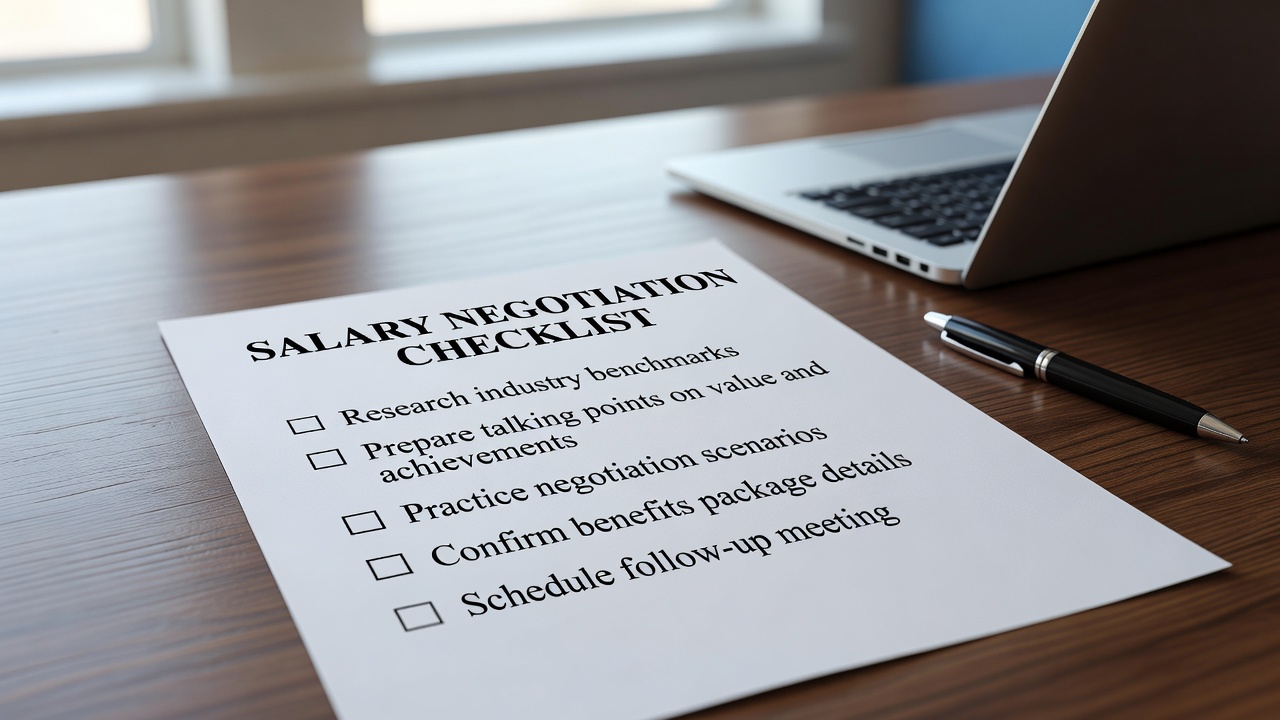
Prepare a concise opening: “Based on my contributions and current market data, I’d like to discuss adjusting my compensation to reflect both inflation and performance.” Follow with specific achievements and supporting salary ranges. A full sample exchange might continue with the manager asking about expectations, at which point you reply with a researched range and supporting evidence from three sources. Practice responses to common pushback such as budget constraints by pivoting to phased increases or performance-tied bonuses. Rehearse the tone so it remains collaborative rather than confrontational. Record yourself delivering the script and refine any sections that sound defensive or vague.
Step-by-Step Negotiation Checklist
- Review your last performance review and quantify impact with specific metrics and outcomes.
- Research three credible salary data points for your role, location, and experience level.
- Calculate your inflation-adjusted target range and prepare a low, target, and stretch figure.
- Schedule the meeting with your manager at least two weeks in advance and share a brief agenda.
- Prepare a one-page summary of achievements and market data that you can leave behind.
- Practice the conversation aloud with a trusted colleague or mentor.
- Decide your walk-away point before entering the discussion and identify acceptable alternatives.
- Follow up in writing within 24 hours of any verbal agreement to confirm details.
Handling Common Employer Objections
When managers cite budget limits, ask about timing for the next review cycle or non-salary perks that can close the gap. If they question your data, offer to review sources together rather than argue. Another frequent objection involves internal equity concerns; respond by focusing on your unique contributions and market value rather than comparing yourself directly to colleagues. For objections about company performance, pivot to how your role supports revenue or cost-saving goals. Always maintain a solutions-oriented tone and be ready with two or three alternative proposals that still meet your core needs.
FAQ: Timing Your Requests Effectively
Q: When is the best time to request a raise?
A: Align requests with performance review cycles or immediately after delivering major project results that demonstrate clear value.
Q: How often should I negotiate?
A: Most professionals revisit compensation annually, or sooner if they receive a competing offer or take on significantly expanded responsibilities.
Q: What if my employer says no?
A: Request specific feedback on what would make approval possible and set a follow-up date three to six months later with documented milestones.
Q: Should I mention inflation directly?
A: Reference inflation as one data point among several, emphasizing performance and market rates as primary drivers of the request.
Q: Can I negotiate remotely?
A: Yes, but schedule a video call rather than handling the discussion over email to allow for real-time clarification and relationship building.
Conclusion
Inflation-proofing your salary requires preparation, data, and clear communication. By calculating real wage needs, researching credible benchmarks, and structuring value-focused conversations, you position yourself for sustainable compensation growth in 2026 and beyond. Treat each negotiation as an ongoing professional development exercise rather than a one-time event, and you will build both financial resilience and stronger workplace relationships over time.


No comments yet. Be the first!