 Jobboy
Understanding Total Compensation in 2026
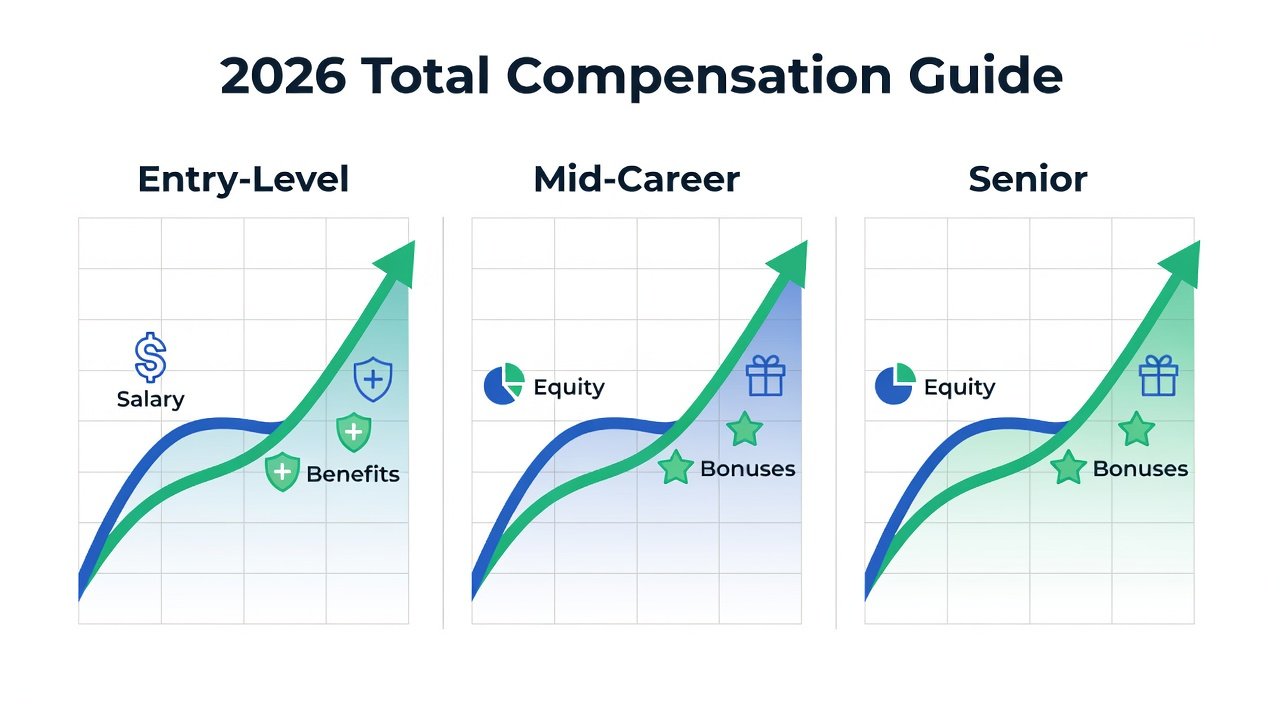
Total compensation extends far beyond base salary. It encompasses benefits valuation, equity grants, bonuses, and other perks that vary significantly by career stage. Professionals at different experience levels encounter unique compensation structures across industries such as technology, finance, healthcare, and manufacturing. In today's dynamic job market, understanding these components helps individuals make informed career decisions and negotiate effectively.
Entry-level roles often prioritize learning opportunities and stable benefits, while mid-career positions balance base pay with performance incentives. Senior roles frequently emphasize long-term equity and leadership perks. This guide examines these differences with practical examples and strategies to help readers maximize their earnings potential throughout their careers.
Benchmarks Across Experience Levels
Entry-level professionals typically receive foundational packages focused on health coverage and retirement matching. These roles emphasize building skills, so compensation often includes mentorship programs and professional development stipends. Mid-career individuals see expanded equity and bonus opportunities as they take on greater responsibilities and deliver consistent results. Senior leaders often negotiate custom arrangements involving profit-sharing and deferred compensation to align with company growth objectives.
These benchmarks shift by industry, with tech roles leaning toward equity-heavy structures and traditional sectors favoring cash bonuses. Cost-of-living adjustments further influence offers, especially in high-expense regions where housing and transportation costs rise substantially. For example, professionals in major metropolitan areas may receive location-based premiums that account for regional economic differences without altering core equity grants.
Industry-Specific Variations in Compensation
Different sectors approach total compensation uniquely. Technology companies often allocate a larger portion to stock options and performance bonuses tied to product launches. Finance roles may include substantial profit-sharing based on deal closures. Healthcare positions frequently highlight robust medical benefits and malpractice coverage. Manufacturing industries tend to emphasize overtime pay and safety incentives.
Understanding these nuances allows candidates to tailor their expectations. A software engineer at a startup might prioritize equity upside, whereas a nurse in a hospital system values shift differentials and tuition reimbursement. Cross-industry comparisons reveal that total packages can differ by 20 to 40 percent when factoring in all elements beyond base pay.
Valuing Perks: RSUs, Profit-Sharing, and More
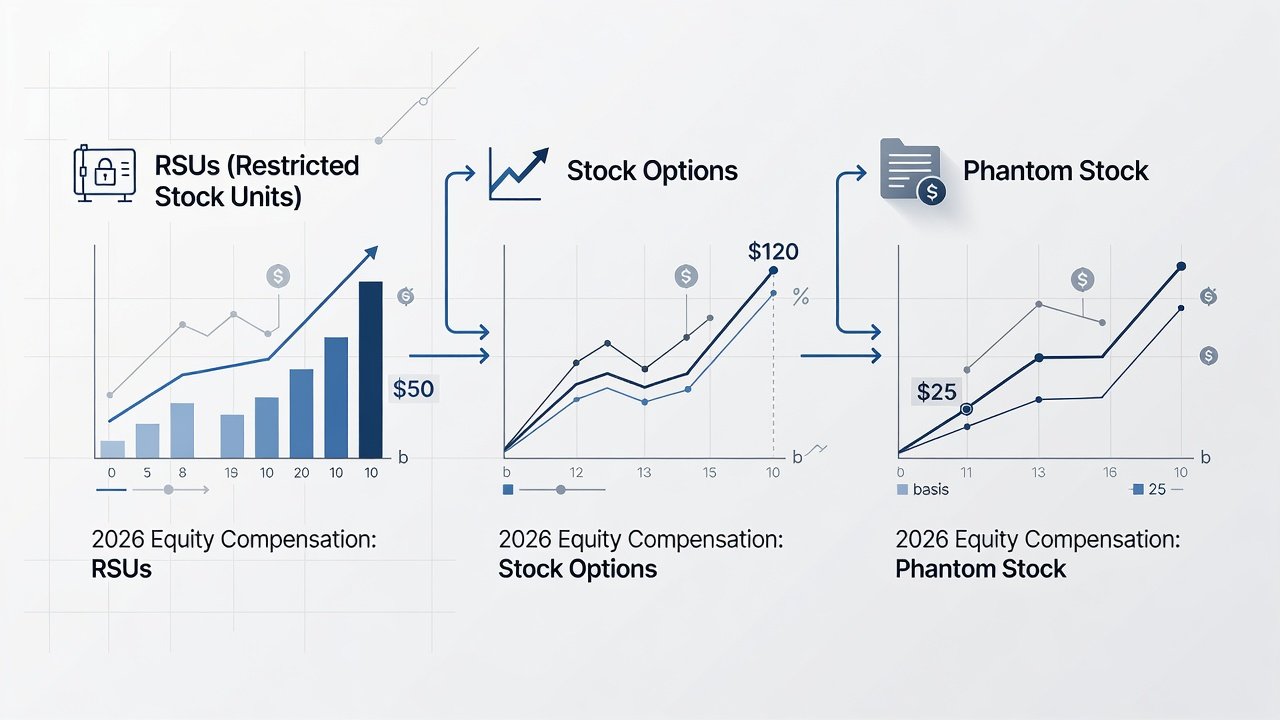
Step-by-step valuation starts with understanding grant schedules for RSUs. Calculate expected value by reviewing vesting periods and stock performance history. Begin by identifying the number of shares granted, then multiply by the current fair market value while discounting for vesting risk. Profit-sharing requires reviewing company financial statements to estimate potential payouts based on revenue targets or profitability metrics.
Tax implications matter greatly. RSUs are taxed as ordinary income upon vesting, which can push individuals into higher brackets if multiple grants mature simultaneously. Certain benefits may offer deferred tax advantages, such as contributions to health savings accounts. Professionals should model different scenarios to understand net take-home amounts after taxes.
Benefits valuation involves quantifying health premiums, retirement contributions, and wellness stipends. A structured approach assigns dollar equivalents to each component for accurate comparisons. For instance, employer-sponsored 401(k) matching represents immediate guaranteed returns that compound over time, often exceeding the value of smaller cash bonuses.
Negotiation Scripts by Career Stage
Effective negotiation begins with preparation. Research market trends and document personal achievements with quantifiable outcomes. For entry-level candidates: "I appreciate the offer. Based on my research into market rates for similar roles, I would like to discuss adjusting the base salary component while maintaining the strong benefits package. My recent internship provided hands-on experience that aligns directly with your team needs."
Mid-career script example: "My experience has delivered measurable results in previous roles, including process improvements that reduced costs by significant margins. Could we explore enhancing the equity grant to align with long-term contributions? I am also interested in understanding the bonus structure tied to departmental goals."
Senior-level approach: "Let's review how the total package supports strategic leadership impact, including potential adjustments to profit-sharing terms. My background in scaling operations positions me to drive substantial growth, and I would value a compensation structure that reflects that potential."
Always follow up negotiations in writing to confirm agreed terms and timelines.
Remote Versus Onsite Package Comparisons
Remote packages often include stipends for home office setup and flexible hours but may reduce geographic pay differentials. Onsite roles frequently provide commuting reimbursements and on-site amenities such as cafeterias or fitness centers. Hybrid models blend elements of both, offering partial flexibility with occasional office requirements.
Industry data from sources such as the Bureau of Labor Statistics highlights how location influences these trade-offs. Professionals should weigh lifestyle factors alongside monetary elements, including potential savings on transportation and clothing for remote workers versus networking opportunities available onsite.
Additional considerations include tax residency rules that may change when working remotely across state lines. Companies sometimes adjust equity grants based on work location to maintain fairness across distributed teams.

Common Pitfalls When Seeking Raises
Many professionals encounter obstacles during compensation discussions. Entry-level workers should avoid demanding senior-level perks prematurely, as this can signal misalignment with organizational expectations. Instead, focus on demonstrating quick learning and reliability.
Mid-career professionals risk undervaluing equity by fixating solely on base salary increases. They should request detailed breakdowns of long-term incentives before accepting changes. Senior leaders sometimes overlook deferred compensation opportunities such as supplemental executive retirement plans that provide tax advantages.
- Entering negotiations without documented achievements and specific examples of impact.
- Ignoring total compensation beyond base salary, leading to suboptimal overall packages.
- Failing to research cost-of-living impacts in target locations, resulting in reduced purchasing power.
- Overlooking tax consequences of equity conversions and bonus timing.
- Neglecting to prepare alternative scenarios if the initial request is declined.
Step-by-Step Preparation for Compensation Discussions
Begin by gathering data from reliable sources. Next, calculate your current total compensation value using a spreadsheet that includes all benefits. Then, identify three priority areas for improvement, such as equity or flexible work options. Practice delivery of your request with a trusted colleague. Finally, follow up with written confirmation of any verbal agreements.
FAQs on Leveraging Salary Data
How can I personalize compensation offers using market data?
Cross-reference multiple sources and adjust for your specific skills, location, and experience level. Factor in benefits valuation for a complete picture. Consider non-monetary elements like career growth paths and work-life balance when evaluating offers.
What steps maximize long-term earnings?
Focus on roles with strong equity components early on. Negotiate vesting acceleration clauses during job changes. Regularly review packages against industry benchmarks and plan for tax-efficient wealth building through diversified investments. Track performance metrics that support future raise requests.
Are remote packages always lower than onsite?
Not necessarily. Many companies now equalize pay while adding location-specific adjustments for taxes and living costs. Evaluate the full package including professional development opportunities that may differ by work arrangement.
How do cost-of-living adjustments affect total compensation?
These adjustments help maintain real income in expensive areas but may not fully offset housing or childcare costs. Negotiate additional support such as housing allowances when relocating for a role.
Conclusion
Mastering total compensation requires ongoing attention to evolving market conditions and personal career goals. By applying the strategies outlined, professionals at every stage can secure packages that reflect their true value and support long-term financial growth. Consult authoritative resources like the IRS for tax-related decisions and continue building negotiation skills throughout your career.
No comments yet. Be the first!