 Jobboy
Introduction to Total Compensation in 2026
Job seekers and current employees often focus solely on base salary during negotiations, but total compensation encompasses far more. Understanding how to value benefits beyond salary empowers better decisions when evaluating offers or requesting raises. This guide provides beginner-friendly, actionable tactics to quantify elements like health coverage, retirement contributions, and paid time off against cash pay. In today’s competitive job market, overlooking non-salary components can lead to undervaluing strong offers or accepting packages that appear competitive on paper but fall short in real-world value. By breaking down these components, you can determine the true worth of a compensation package and negotiate more effectively in 2026. Many professionals discover that a slightly lower base salary paired with robust benefits delivers greater financial security and work-life balance over time.
What Is Total Compensation?
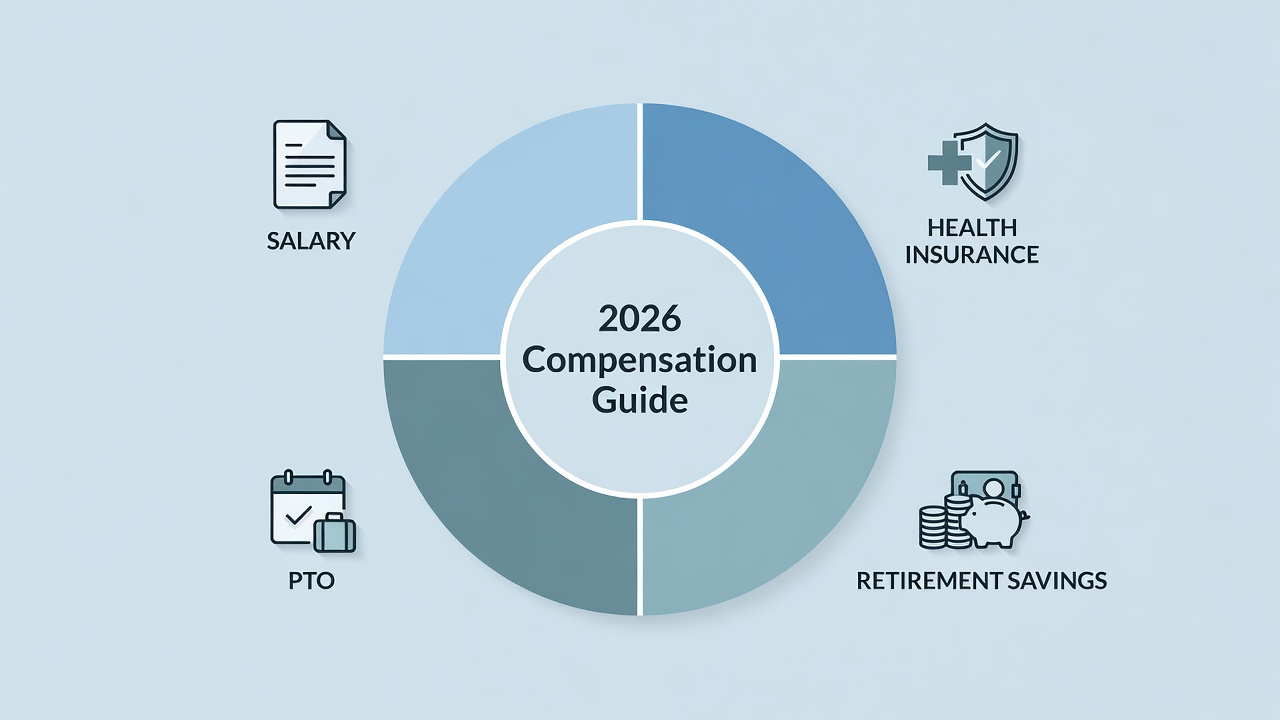
Total compensation includes base salary plus all employer-provided benefits and perks. These non-cash elements can add substantial value, sometimes equaling 30% or more of base pay. Recognizing cash versus non-cash distinctions helps compare offers across employers or industries. Employers structure packages differently based on company size, location, and industry norms, so learning to evaluate the full picture prevents common oversights during job searches or annual reviews.
Cash Elements
Cash compensation covers base salary, bonuses, commissions, and overtime. These are direct monetary payments that appear on your paycheck. While cash provides immediate liquidity, it often faces higher tax rates and requires careful budgeting to cover everyday expenses and long-term goals. Understanding how cash flows into your account each pay period forms the foundation for any total compensation analysis.
Non-Cash Elements
Non-cash benefits include health insurance, retirement plan matches, paid time off, professional development stipends, and wellness programs. Although they do not increase your take-home pay immediately, they reduce out-of-pocket expenses and improve long-term financial security. Health plans shield against unexpected medical costs, retirement matches build future wealth automatically, and PTO supports recovery and personal commitments without income loss. Evaluating these items requires translating their market equivalents into personal savings.
Step-by-Step Methods to Value Benefits
Follow these practical steps to assign dollar values to benefits and compare them to salary. Begin by gathering all offer documents and employee handbooks to create a complete inventory. Next, research average market costs for each benefit using reliable sources such as government labor data. Focus specifically on the employer’s contribution rather than the full premium cost, as this represents the true value added to your package. Convert annual values into monthly or hourly equivalents for easy comparison across different offers. Finally, add the total benefit value to base salary to arrive at full compensation. Repeat this process for multiple offers to create side-by-side comparisons that reveal which package truly delivers more overall worth. Document each calculation so you can reference them during negotiations or future reviews.
Industry-Specific Examples of Average Packages
Packages vary significantly by sector. Technology roles often emphasize flexible work stipends and learning budgets, while healthcare positions highlight premium medical coverage and shift differentials. Manufacturing and finance industries frequently feature strong retirement matches and performance bonuses that compound over time. In education and nonprofit fields, generous PTO policies and tuition assistance programs may outweigh modest base salaries. Government positions typically provide stable health benefits and pension contributions that grow predictably with tenure. Reviewing these patterns helps set realistic expectations when targeting roles in specific fields and allows you to prioritize benefits that align with your personal circumstances, such as family healthcare needs or career development goals.
Comparing Cash and Non-Cash Compensation
Cash offers immediate spending power but may come with higher tax burdens. Non-cash benefits provide tax advantages and stability. For instance, employer-sponsored health plans often cost less than individual marketplace purchases and protect against large medical expenses. Weigh short-term liquidity needs against long-term savings when deciding between higher salary and richer benefits. Employees with dependents may find greater value in comprehensive health and retirement options, while younger professionals might prefer higher cash for debt repayment or investments. Always consider your current life stage and future financial objectives when making these trade-offs.
Bureau of Labor Statistics publishes regular data on employer costs for employee compensation that can inform these comparisons. Additional guidance is available from Department of Labor resources on benefit valuation practices.

Practical Checklists for Valuation
- List every benefit and note the employer contribution percentage or amount.
- Estimate personal costs avoided, such as premiums or copays, by researching comparable individual plans.
- Factor in vesting schedules for retirement contributions to understand when you fully own the employer match.
- Account for PTO value by multiplying daily rate by number of days and consider how unused days roll over or pay out.
- Review tax implications of each component, including pre-tax deductions that lower taxable income.
- Assess ancillary perks like gym memberships, commuting allowances, or remote work equipment stipends for their real-world utility.
Real-World Calculation Scenarios
Consider a candidate evaluating two offers. The first provides a higher base salary plus standard benefits typical of the industry. The second offers a lower base but includes a meaningful retirement match and comprehensive health coverage. By assigning values to the match and coverage using market research, the second package may exceed the first in total worth when all elements are quantified. Another scenario involves a current employee comparing an internal promotion with a modest raise against an external offer that includes superior wellness benefits and additional PTO. Calculating the avoided costs of gym memberships and the monetary value of extra vacation days can tip the decision toward the external opportunity. Adjust these scenarios based on your personal tax bracket, family size, and financial goals to make informed choices that support both immediate needs and future security.
Common Mistakes to Avoid When Valuing Compensation
Many job seekers neglect to research the actual cost of benefits they would otherwise purchase independently. Others overlook vesting periods, leading to overestimation of retirement match value if they leave before full ownership. Failing to consider tax advantages of certain benefits can also skew comparisons. Always verify whether benefits are available immediately or after a waiting period, and account for any employee contributions required to access them. Avoiding these pitfalls ensures a more accurate picture of each offer’s true value.
FAQ: Common Questions on Pay Raise Impacts
How does valuing benefits affect a salary negotiation?
Presenting a total compensation figure demonstrates research and helps employers understand your full expectations beyond base pay, often leading to more creative package adjustments.
Can PTO be converted into a dollar value?
Yes. Multiply your daily rate by the number of paid days off to quantify its worth in negotiations and demonstrate the financial impact of time-off policies.
What if benefits change after I accept an offer?
Review plan documents annually and renegotiate during performance reviews if significant reductions occur, using your original valuation as a reference point.
Do all benefits count equally toward total compensation?
No. Highly personalized benefits such as parental leave or tuition reimbursement hold more value for some employees than others depending on life stage and career plans.
How often should I re-evaluate my total compensation?
Conduct a review at least once per year or whenever you receive a new offer, promotion, or notice of benefit changes to stay aligned with your financial objectives.
Should I prioritize benefits or salary when choosing between offers?
Base the decision on your personal situation. Those with high medical needs or nearing retirement may favor strong benefits, while others may need higher cash flow for immediate expenses.
Conclusion
Mastering total compensation valuation transforms how you approach job offers and raises in 2026. By systematically assessing benefits alongside salary, you gain clarity, confidence, and stronger negotiating power. Apply these methods consistently to secure packages that truly reflect your worth and support both short-term stability and long-term financial health.


No comments yet. Be the first!