 Jobboy
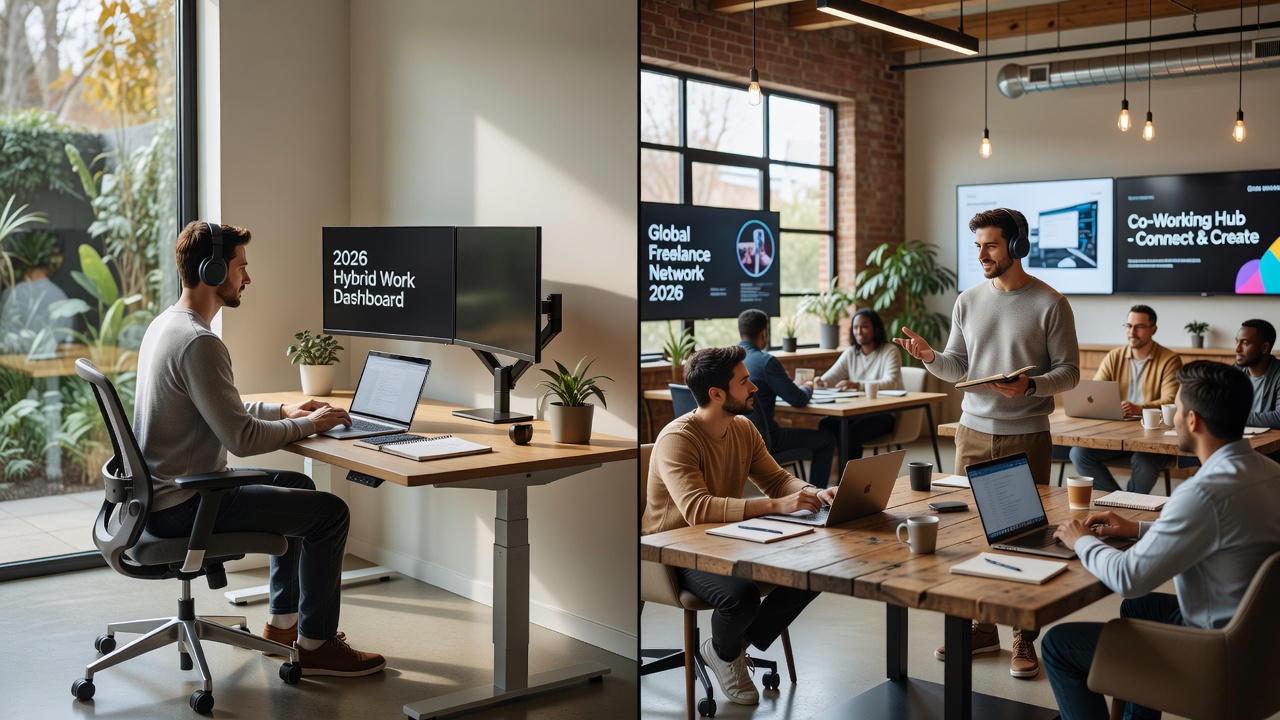
In 2026, freelancers are increasingly turning to hybrid remote models to achieve better work-life balance while maintaining professional connections. This approach blends the flexibility of home-based work with occasional office or co-working visits, addressing the unique demands of the gig economy. Many independent professionals now seek structures that go beyond fully remote setups, allowing them to combat isolation without sacrificing autonomy. The hybrid model has gained traction particularly among those who value occasional in-person collaboration for creative brainstorming or client relationship building, while still enjoying the freedom to work from home or even while traveling as digital nomads.
Understanding Hybrid Remote Models in the Gig Economy
Hybrid setups allow freelancers to split their time between remote locations and in-person environments. Unlike fully remote roles, these models incorporate scheduled office days for collaboration, which can enhance creativity in fields like tech and creative industries. The typical split might involve three or four days working from home and one or two days at a client office or shared workspace. This structure supports the evolving needs of the gig economy where contracts are project-based and clients increasingly expect both high productivity and personal interaction. In 2026, platforms and clients are adapting contracts to accommodate these blended arrangements, recognizing that pure remote work can sometimes lead to communication gaps while full office attendance limits the talent pool to local candidates only.
Pros and Cons Compared to Pure Remote or Office Roles
Hybrid arrangements offer advantages such as reduced isolation and access to resources, but they also introduce challenges like commuting and schedule management. Versus pure remote work, hybrids provide more networking opportunities that can lead to repeat business and referrals. Compared to full office roles, they grant greater autonomy over daily routines and eliminate the need for a daily commute. On the positive side, freelancers report improved mental health from varied environments and better idea generation through face-to-face meetings. However, drawbacks include the cost of maintaining two workspaces, potential for blurred boundaries between work and personal time, and the logistics of transporting equipment between locations. Some freelancers also note that inconsistent schedules can disrupt deep-focus work periods that are easier to protect in a fully remote setup.
Industry Examples in Tech and Creative Fields
In tech, freelancers often hybridize by attending client meetings in-person twice monthly while coding remotely. For example, a software developer might spend Mondays and Tuesdays at a startup office debugging code alongside the team, then complete feature development from home the rest of the week. Creative professionals, such as graphic designers, use hybrid models to brainstorm in studios and refine work at home. A freelance illustrator could attend weekly art direction sessions at an agency before returning to a quiet home studio for execution. Marketing consultants and content creators similarly blend virtual strategy calls with quarterly in-person workshops to align on brand campaigns. These examples demonstrate how hybrid models adapt across sectors to balance efficiency with human connection.
Steps to Negotiate Hybrid Contracts with Clients
- Research client needs and propose a clear split, such as three remote days and two office days, backed by data on productivity gains from varied work environments.
- Highlight mutual benefits like improved output quality and faster project turnaround through better collaboration, using specific examples from past projects.
- Define boundaries in writing, including travel reimbursements, flexible adjustments for emergencies, and clear expectations around response times on remote days.
- Use data from industry reports to support your proposal and suggest a 30-day trial period to evaluate the arrangement before committing long-term.
- Include clauses for reviewing the hybrid terms quarterly to ensure they continue meeting both parties' evolving needs.
Tools for Managing Split Schedules
Popular tools include calendar apps like Google Calendar for coordinating locations and project management platforms such as Asana for tracking tasks across environments. Communication apps like Slack help maintain team connections regardless of location. Additional options include time-tracking software such as Toggl to monitor hours spent in each setting and video conferencing tools like Zoom for seamless transitions between remote and in-person discussions. Many freelancers also rely on note-taking apps like Notion to keep project details synchronized whether working from a home desk or a shared office. Integrating these tools into daily routines prevents scheduling conflicts and ensures clients always know where and how to reach you.

Productivity Hacks for Both Environments
- At home: Establish a dedicated workspace free from household distractions, use time-blocking techniques to separate deep work from admin tasks, and set strict start and end times to mimic office structure.
- In the office: Leverage in-person energy for collaborative tasks such as brainstorming sessions, minimize distractions with noise-cancelling headphones during focus periods, and use the commute for listening to industry podcasts that spark new ideas.
- General: Maintain consistent routines across both locations, review weekly performance metrics to identify which environment boosts your output most, and build buffer time into schedules for unexpected travel delays or home interruptions.
Comparisons of Hybrid vs Remote Setups
Hybrid models excel in fostering relationships but require more planning than fully remote options. Remote setups prioritize flexibility and eliminate commuting entirely, making them ideal for digital nomads who frequently change locations. In contrast, hybrids balance flexibility with structure, which many freelancers find essential for long-term career sustainability. When comparing the two, consider factors such as client type, project complexity, and personal preferences for social interaction. Hybrid arrangements often lead to stronger professional networks, while pure remote work can sometimes result in missed opportunities for mentorship and real-time feedback.
Real-World Freelancer Case Studies
One tech freelancer in 2026 combined remote coding with bi-weekly office sessions, resulting in higher client retention rates because in-person check-ins allowed for quicker resolution of complex technical issues. A creative writer used hybrid contracts to blend travel with occasional studio visits, enhancing both inspiration from new environments and output quality through targeted collaboration. Another example involves a digital marketing specialist who negotiated a hybrid arrangement across three clients, spending one day per week at each office while handling strategy and reporting remotely, which increased her annual project volume without burnout. These cases highlight how tailored hybrid models can lead to more stable income and professional growth.
FAQ: Addressing Isolation and Collaboration Challenges
How does hybrid work reduce isolation? Scheduled office days provide social interaction without full-time commitment, allowing freelancers to maintain meaningful connections while preserving remote flexibility.
What if clients resist hybrid terms? Start with a trial period to demonstrate value, and present case studies showing improved deliverables from blended work environments.
Can digital nomads adopt hybrids? Yes, by aligning travel with remote periods and planning in-person meetings strategically around key project milestones.
How do you handle time zone differences in hybrid setups? Use shared calendar tools with clear availability blocks and record in-person meetings for later review when travel is involved.
2026 Adaptations for Digital Nomads
Freelancers blending travel with occasional in-person work should focus on time zone management and co-working visas. Many now choose locations with strong digital infrastructure and short-term office rental options that support hybrid contracts. This evolution supports sustainable careers in the evolving gig landscape. For more insights, explore resources from the World Economic Forum and labor data at U.S. Bureau of Labor Statistics. Additional guidance is available through International Labour Organization reports on future work trends.
Conclusion
Hybrid remote models represent a practical evolution for freelancers seeking balance in 2026. By thoughtfully negotiating terms, leveraging the right tools, and applying targeted productivity strategies, independent professionals can enjoy the best of both remote freedom and collaborative connection. As the gig economy continues to mature, these adaptable arrangements are likely to become even more common.

No comments yet. Be the first!