 Jobboy

Introduction
Remote freelance writing in 2026 demands more than strong prose—it requires strategic SEO mastery to stand out in a crowded gig economy. Writers who optimize for search visibility attract consistent clients, command premium rates, and build sustainable businesses from anywhere. This guide delivers practical, in-depth tactics including 2026-specific keyword tools, on-page techniques for proposals and blogs, and link-building approaches tailored for digital nomads. Search intent around ranking faster for remote jobs focuses on actionable advice that delivers measurable results, such as improved proposal acceptance rates and organic traffic growth to personal sites or portfolios. Whether you are pitching to international clients or maintaining a niche blog, these strategies address the unique challenges of location-independent work, including time zone differences and limited networking opportunities.
Keyword Research with 2026-Specific Tools
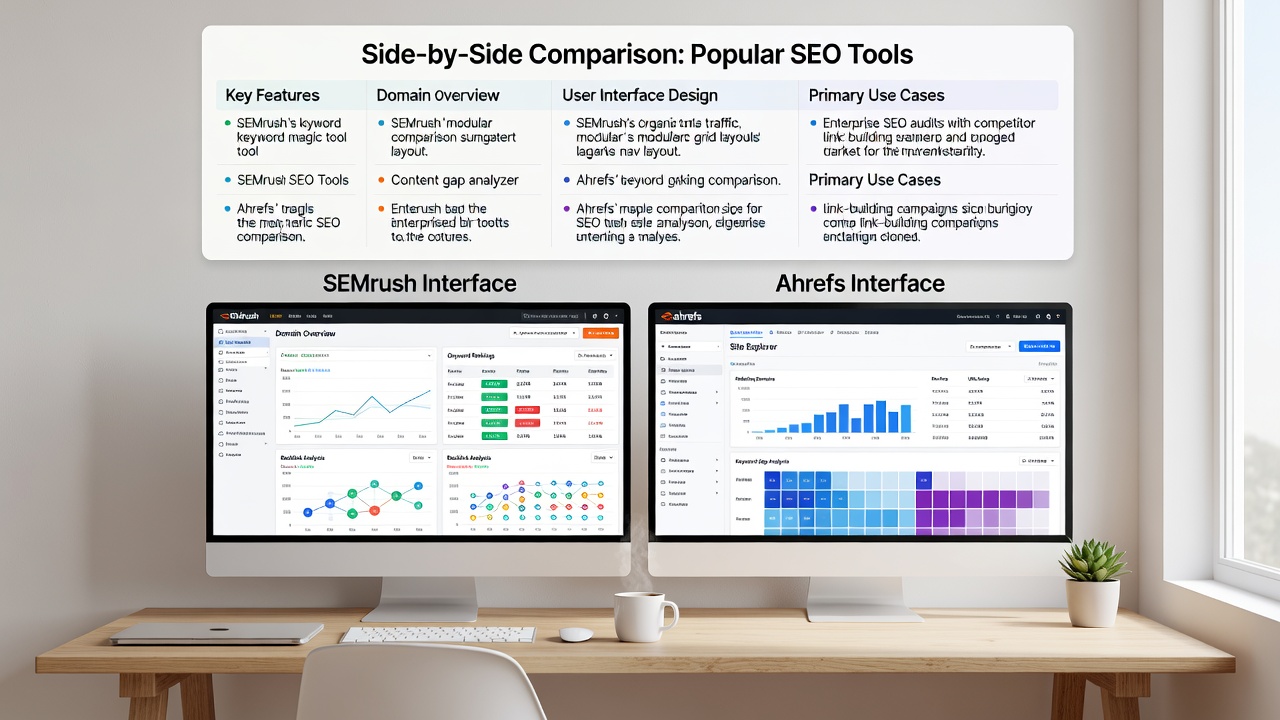
Effective keyword research starts with understanding search intent around remote writing opportunities. Focus on long-tail phrases like "remote freelance SEO writer jobs 2026" that reflect current hiring trends. Tools such as Google Keyword Planner, combined with emerging AI-driven platforms, help uncover low-competition opportunities. Compare options like SEMrush and Ahrefs for volume accuracy and competitor analysis. A content audit example might reveal that targeting "freelance writing portfolio SEO tips" yields faster rankings than broad terms. In practice, begin by identifying core topics relevant to your expertise, such as content marketing or technical writing, then expand them using related searches and question-based queries from tools like AnswerThePublic. For digital nomads, prioritize keywords that incorporate flexibility signals, including "work from anywhere freelance writer" or "remote content strategist 2026."
Real-world application involves auditing your existing proposals and website content to map keywords to user pain points. For instance, if clients search for quick-turnaround blog posts, optimize around phrases that highlight efficiency and SEO integration. Update your research quarterly to account for algorithm shifts, ensuring your chosen terms align with rising search volumes in the freelance sector.
Practical Steps for Keyword Implementation
- Start with seed keywords related to your niche and location independence.
- Use filters for search volume trends updated as of late 2026.
- Analyze competitor content to identify gaps, such as under-optimized proposal templates.
- Map keywords to client proposals and personal blog posts for consistent application.
- Track performance with free tools like Google Search Console to refine selections over time.
On-Page Optimization for Blog and Proposal Content
On-page SEO ensures your content resonates with both readers and algorithms. Optimize titles, meta descriptions, and headings with primary keywords naturally. For proposals, incorporate client-specific terms while maintaining readability. Use internal linking to your portfolio and external links to authoritative sources such as Google Search Central. Structure content with subheadings, bullet points, and short paragraphs to improve dwell time. In 2026, pay special attention to mobile-first indexing, as many remote clients review materials on tablets or phones during travel. Include schema markup where possible to enhance rich snippets for blog posts showcasing case studies.
Practical examples include rewriting a sample proposal introduction to weave in keywords like "expert remote SEO content creator" without disrupting flow. Audit your blog posts by checking heading hierarchy, image alt text, and URL structure. Avoid common errors such as duplicate meta descriptions across similar service pages.
Link-Building Strategies for Digital Nomads
Building backlinks while traveling requires creative, location-independent methods. Guest posting on industry blogs, participating in remote writer communities, and creating shareable resources like SEO checklists work well. Track progress with tools that monitor domain authority. One case study involves a writer who scaled earnings by securing links from niche directories after consistent outreach. Another effective tactic is collaborating on co-authored articles with fellow freelancers, which naturally generates mutual backlinks. Focus on quality over quantity by targeting sites with strong relevance to writing and digital marketing.
Additional strategies include leveraging social proof through LinkedIn articles that link back to your optimized portfolio and responding to HARO-style queries for expert quotes. These approaches help establish E-E-A-T signals that search engines reward in competitive freelance niches.
Comparisons of SEO Platforms
Choosing the right platform matters. SEMrush excels in keyword tracking and site audits, while Ahrefs shines in backlink analysis. Free options like Google Search Console provide foundational data. Writers should test integrations with project management apps common in remote workflows. SEMrush offers robust competitor tracking suitable for those managing multiple client niches, whereas Ahrefs provides deeper historical backlink data useful for long-term portfolio growth. Many freelancers start with the free tiers of these tools before upgrading based on specific needs like advanced reporting.
Real-World Case Studies and Content Audits
Consider a writer who audited their site, refreshed outdated posts with 2026 keywords, and saw a 40% traffic increase within three months. Another example used proposal templates optimized for client search terms, leading to higher conversion rates. Regular audits involve checking for broken links, updating statistics, and refreshing meta tags. A detailed content audit process might begin with crawling your site using free tools, followed by prioritizing high-potential pages for updates. In one documented case, a digital nomad writer focused on refreshing ten key blog posts, resulting in improved rankings for remote job-related queries and a steady influx of inbound leads.
FAQ: Common Pitfalls and Algorithm Updates
What are the biggest SEO mistakes freelance writers make?
Overstuffing keywords and ignoring mobile optimization top the list. Always prioritize user experience and natural language flow in all content.
How do algorithm updates affect remote writers in 2026?
Updates emphasize E-E-A-T (Experience, Expertise, Authoritativeness, Trustworthiness). Showcase your portfolio and client testimonials prominently while maintaining consistent publishing schedules.
Can I rank faster for remote jobs using these tactics?
Yes, combining targeted keywords with consistent publishing and link building accelerates results, often within 4-8 weeks for niche terms when paired with regular performance monitoring.
What tools help with ongoing SEO maintenance for freelancers?
Google Analytics paired with Search Console offers free insights, while paid platforms add automation for busy remote professionals handling multiple projects simultaneously.
Conclusion
SEO mastery empowers remote freelance writers to thrive in 2026 by turning visibility into steady opportunities. Implement these strategies step by step, measure results, and adapt to evolving search landscapes for long-term success. By focusing on practical execution and continuous learning, writers can build resilient careers that transcend physical location.


No comments yet. Be the first!